News Summary
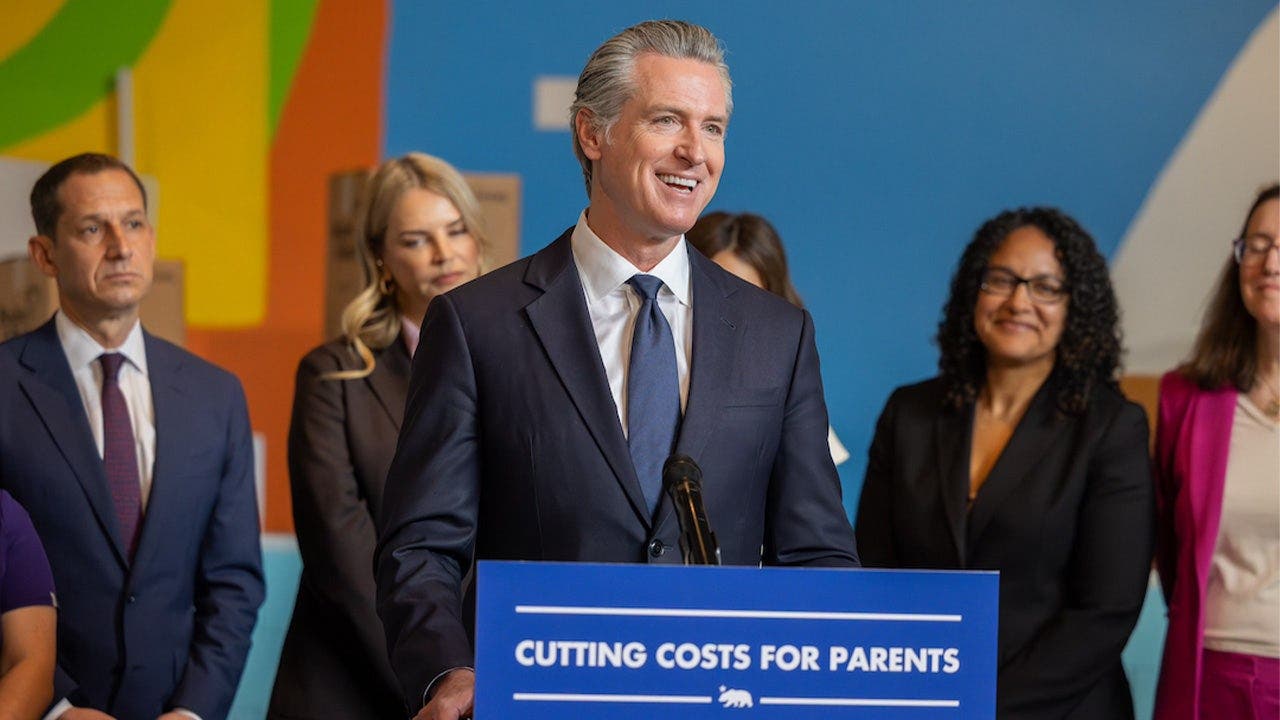
California Governor Gavin Newsom announced a pilot program called Golden State Start partnering with the nonprofit Baby2Baby to provide 400 free diapers to families leaving participating hospitals, starting this summer. Hospitals will distribute the diapers at discharge; the first-year rollout is planned at roughly 65–75 hospitals that handle about one quarter of births in the state and will prioritize facilities serving low-income Medi‑Cal patients. The state allocated $7.4 million in last year’s budget to launch the initiative and Newsom’s office is seeking an additional $12.5 million for implementation through June 2027. Baby2Baby will handle manufacturing and logistics under the program label. Officials said the program aims both to address diaper need (which Baby2Baby reports affects many families) and to put downward pressure on diaper prices. The announcement was framed alongside other family-focused policies such as free school meals and universal preschool. The story notes fiscal context: the Legislative Analyst’s Office projects a structural budget shortfall for California in coming years, and commentators and critics have questioned the program’s cost and timing.
Biblical Reflection
From a Christian perspective, the article highlights two legitimate concerns that Christians should weigh together: compassion for families in material need, and faithful stewardship of public resources. Providing diapers to new parents addresses a concrete, time‑sensitive need for infants and eases pressure on families during a vulnerable season—an impulse consistent with biblical commands to care for children and the poor (e.g., James 1:27). At the same time, the article mixes reporting about the diaper program with broader fiscal criticism and partisan framing. Language such as "taxpayer-backed freebie" and repeated emphasis on state "budget woes" colors perception and may steer readers toward a fiscal alarm response rather than a balanced assessment of scale and effectiveness. Separately, initial paragraphs that link unrelated controversies (for example, other health‑policy debates) to this program serve to politicize what is essentially a targeted assistance initiative. Christians should practice discernment: recognize the good of meeting immediate needs and the role of nonprofit partners, but also ask practical questions about program scope, efficacy, long‑term funding, and whether public efforts crowd out or complement local church and community responses. The biblical calling is to care for children and families while exercising wise stewardship—advocating for solutions that are both compassionate and sustainable.
Scripture in context
This outlook does not yet include contextual Scripture citations. Do not treat a general biblical theme as an exegetical conclusion.
Faithful Response
No prescribed response is offered. Consider the reflection prompts below in your own church context.
Reflection and Discussion
- 1Is the article emphasizing fiscal alarm or the human need, and how does that emphasis shape our response as Christians?
- 2How should Christians weigh the good of targeted public assistance against concerns about long‑term fiscal stewardship and the role of churches and nonprofits?
- 3Are there ways local churches and ministries can complement or partner with public programs to meet diaper need while maintaining sustainable care for families?
Sources
Reporting links are evidence inputs; Sanctuary News' biblical reflection is commentary.
This outlook currently relies on fewer than two linked sources. Broaden verification before teaching from it.
- 1.Original reportprimary