News Summary
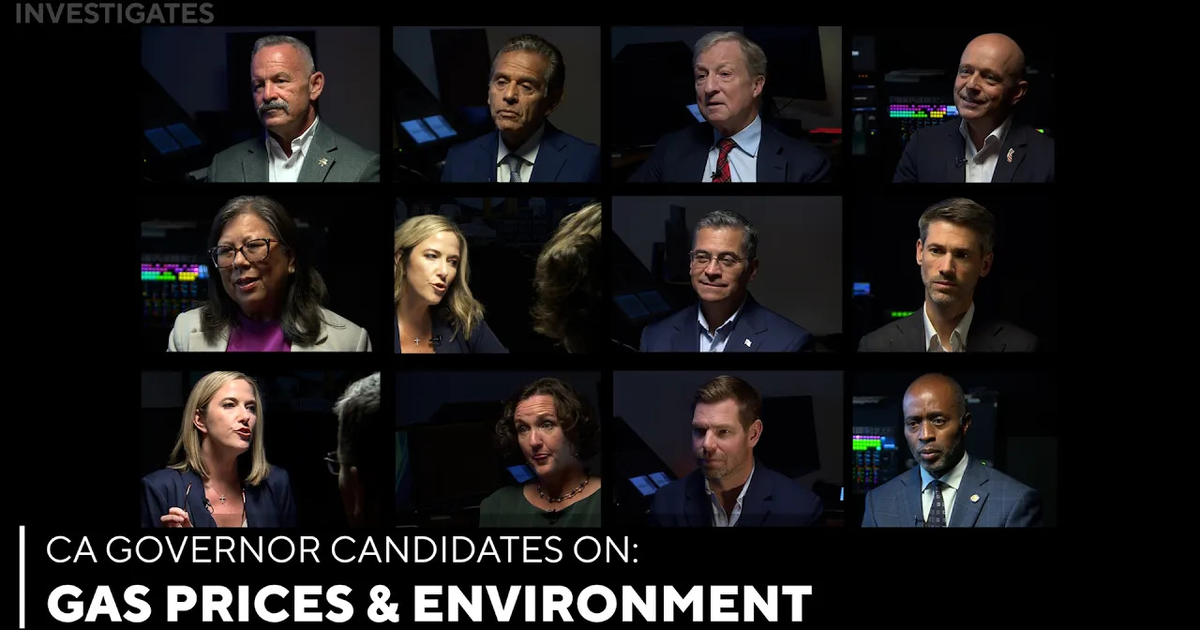
California's 2026 governor's race features debate over energy policy as the state faces the nation's highest gas prices and projected price increases tied to refinery closures. A two-year state investigation found no evidence of price gouging by oil companies, while the oil industry blames state environmental policies for driving refineries and production out of California. Ten leading candidates — Xavier Becerra, Chad Bianco, Steve Hilton, Matt Mahan, Katie Porter, Tom Steyer, Eric Swalwell, Tony Thurmond, Antonio Villaraigosa, and Betty Yee — were interviewed about how they would address high gas prices. Republicans Steve Hilton and Chad Bianco argued that California's climate regulations (including the low-carbon fuel standard, cap-and-trade, and other rules) are primary drivers of high prices and called for rolling back regulations and expanding in-state drilling. Democratic candidates expressed a range of responses: some stressed stabilizing supply and maintaining refinery capacity during a transition (Xavier Becerra, Katie Porter, Betty Yee), others favored continuing high environmental standards while diversifying energy sources (Eric Swalwell), accelerating clean energy and restructuring markets (Tom Steyer), or investing in innovation and grid modernization (Matt Mahan). Tony Thurmond proposed direct financial relief for residents alongside investments like carbon capture. The candidates remain divided on trade-offs between immediate affordability and long-term climate goals. CBS News noted the interviews were conducted over six months beginning in September 2025 and that the reporting included more than 20 hours of accountability interviews used in an Interactive Candidate Guide.
Biblical Reflection
This reporting highlights legitimate tensions Christians should weigh carefully: the need to care for vulnerable households burdened by high living costs, and the biblical call to steward God’s creation for the long term. Political claims on both sides simplify complex, systemic causes — global markets, refinery economics, regulatory design, and private-sector choices all interact. The state finding of no price gouging undercuts blanket allegations of corporate malfeasance, while industry claims that regulations alone explain refinery exits risk ignoring broader market and investment dynamics. Promises of instant, large price drops through simple deregulation should be checked against evidence and the likely effects on public health, poor communities, and the environment. A Christian perspective resists both uncritical allegiance to profit and unexamined zeal that sacrifices present human needs for idealized future goals. Instead, faith calls for honest appraisal of facts, protection of the poor and working families, and prudent stewardship of creation — seeking policies that pursue justice, care for neighbors, and wise long-term planning rather than partisan slogans.
Scripture in context
This outlook does not yet include contextual Scripture citations. Do not treat a general biblical theme as an exegetical conclusion.
Faithful Response
No prescribed response is offered. Consider the reflection prompts below in your own church context.
Reflection and Discussion
- 1Which pieces of evidence in the article directly support causal claims (e.g., that regulations are the main driver of high gas prices) and which claims rely primarily on political assertion?
- 2Whose burdens are emphasized or downplayed by each candidate’s framing (for example, low-income households, refinery workers, future generations), and what values does that reveal?
- 3How does the tension between short-term affordability and long-term stewardship shape which policy options are morally defensible from a Christian standpoint?
Sources
Reporting links are evidence inputs; Sanctuary News' biblical reflection is commentary.
This outlook currently relies on fewer than two linked sources. Broaden verification before teaching from it.
- 1.Original reportprimary