News Summary
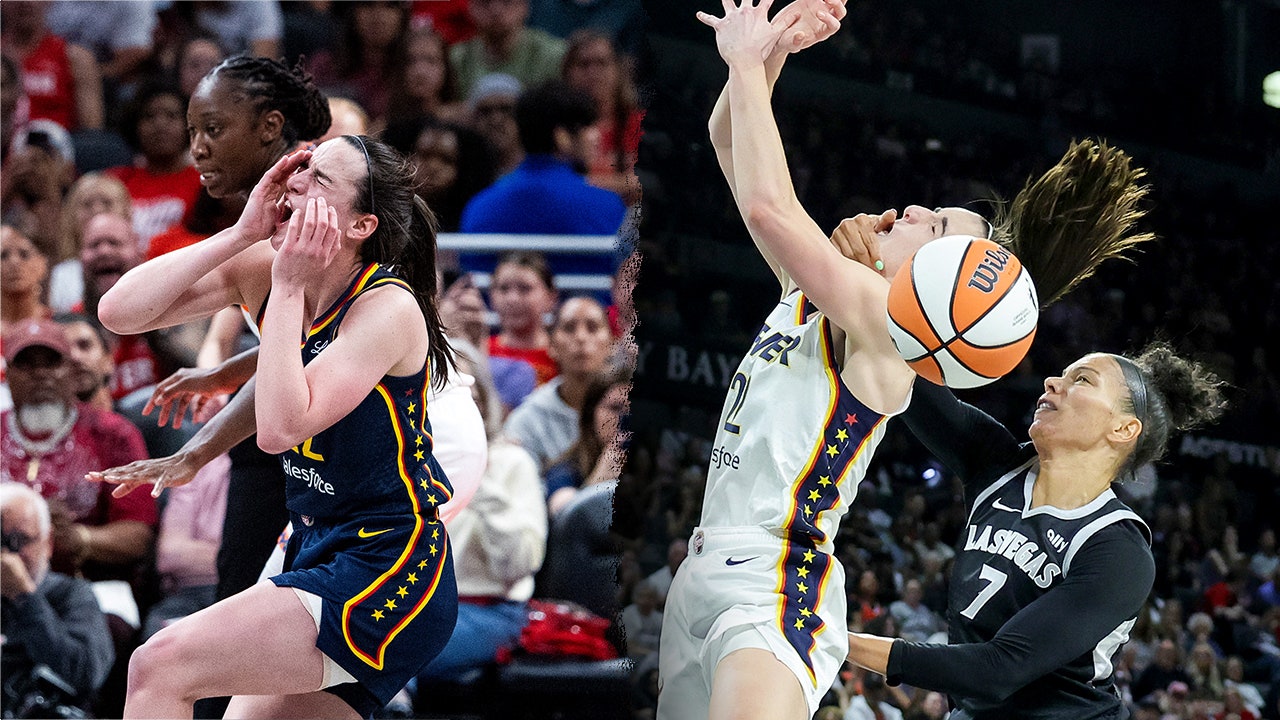
The article reports that during a June 24, 2026 WNBA game Phoenix Mercury forward Alyssa Thomas struck Indiana Fever guard Caitlin Clark in the throat during a loose-ball scramble; officials did not call a foul during the play and the league later suspended Thomas for one game. The writer recounts prior incidents and trash‑talk between Clark and other players (including Angel Reese, Chennedy Carter, and DiJonai Carrington) and notes commentators’ responses. The piece argues that much commentary minimizes or defends Thomas’s action because of race-based narratives within the league and media, and asserts that Clark’s popularity has been unfairly attributed to her race and sexuality rather than talent. The article names specific commentators (e.g., Jemele Hill, Chiney Ogwumike) and outlets, alleges media and league reluctance to defend Clark because of fears about being labeled racist, and criticizes what the author calls “race idolatry” and media cowardice. It blends reporting of events (the play, suspension, past incidents) with opinion and interpretation about motives, media behavior, and the cultural dynamics around Clark’s stardom.
Biblical Reflection
From a Christian discernment perspective, this story mixes verifiable events with strong opinion and broad generalizations. The concrete facts — the play, lack of initial call, and a one-game suspension — are straightforward and demand impartial assessment about safety and officiating. The article’s broader claims about motive (that criticism or defense of Clark is driven primarily by race-based hostility or media cowardice) move into interpretation and rely heavily on anecdote and selective examples. Christians should notice two temptations: (1) the temptation to reduce complex situations to simple identities (us vs. them), and (2) the temptation to weaponize grievance for cultural influence. Truth-seeking requires separating what can be verified (who did what, what penalties occurred) from what is inferred (the internal motives of players, media, or entire demographic groups). Pastoral virtues ask us to defend the vulnerable and speak clearly against dangerous conduct, while also resisting stereotypes, collective blame, and inflammatory language. The article rightly insists on condemning violent acts on the court and on asking whether leagues protect players, but it falls short where it paints broad groups with one brush and treats contested motives as settled facts. A Christian response champions honest facts, protects bodily safety, refuses to scapegoat an entire race or profession, and models humility when interpreting others’ motives.
Scripture in context
This outlook does not yet include contextual Scripture citations. Do not treat a general biblical theme as an exegetical conclusion.
Faithful Response
No prescribed response is offered. Consider the reflection prompts below in your own church context.
Reflection and Discussion
- 1Am I treating specific, verifiable actions differently depending on who committed them, or am I applying the same standards of safety and sportsmanship to everyone?
- 2How much of my judgment is driven by narrative and identity politics rather than verified facts about what happened on the court and in the league office?
- 3Are commentators and consumers calling for accountability while also offering grace and pursuing reconciliation where possible?
Sources
Reporting links are evidence inputs; Sanctuary News' biblical reflection is commentary.
This outlook currently relies on fewer than two linked sources. Broaden verification before teaching from it.
- 1.Original reportprimary