News Summary
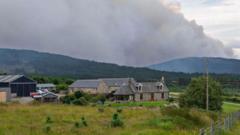
Reported facts: The BBC reports police declared a "major incident" after a wind change increased wildfire risk in the Cairngorms; all residents of Nethy Bridge were evacuated due to the threat. Attributed claims: the BBC attributes the increased risk to a wind change and describes the wildfire as spreading. Uncertainties: the article provides no details about the size of the fire, number of people affected, property damage, cause of the fire, firefighting resources deployed, injuries, or long-term impacts.
Source and Framing Analysis
This account is a short dispatch from a single media source (BBC). The core facts—major-incident declaration and village evacuation—are directly reported, but the report lacks operational details (scale, cause, casualties, firefighting capacity) that materially affect understanding of severity and longer-term consequences. Because the piece is concise, readers should seek follow-up reports or official statements for fuller situational awareness before drawing broader conclusions.
Biblical Reflection
This event highlights several Christian responsibilities. First, truthfulness: our response must be grounded in confirmed facts so that aid and prayer are directed where needed and not wasted on rumor. Second, mercy and neighbor-love: evacuations mean people have lost homes, routines, or access to essentials — the immediate Christian response is practical help (shelter, supplies, pastoral care) and advocacy for resources. Third, stewardship: wildfires intersect with how we treat the land and prepare communities; Christians should remember the long-term care of creation and support prevention and recovery efforts. Finally, humility and prayer: disasters remind us of human vulnerability; we should pray for wisdom for leaders and strength for responders while resisting panic or politicized exploitation of the story.
Be careful not to let anxiety or sensational snippets override the needs of real neighbors. Encourage congregations to confirm needs through official channels and trusted local agencies before mobilizing resources. In offering counsel or public comment, center compassion and concrete assistance rather than partisan interpretation.
Scripture in context
- 1Luke 10:25-37 (Parable of the Good Samaritan) — Jesus tells a story in which a man beaten by robbers is ignored by religious passersby but helped by a Samaritan who provides immediate care and ongoing support. — The parable calls Christians to cross social boundaries to tend the immediate needs of the hurt and to provide practical, sustained assistance—an ethic directly applicable to helping evacuees and supporting emergency responders.
Faithful Response
Pray specifically for evacuees, emergency workers, and local leaders; organize short-term aid (food, clothing, shelter information) through trusted local charities.
Contact local authorities or accredited relief organizations to learn verified needs before donating money or goods.
Offer pastoral presence — phone calls, visits if safe, and congregational support for displaced families and first responders.
Encourage congregational preparedness and stewardship conversations about preventing and responding to environmental hazards.
Reflection and Discussion
- 1How does the call to love our neighbor shape our priorities when responding to evacuations and environmental harm?
- 2In what ways should stewardship of creation influence our support for prevention, recovery, and long-term planning after wildfires?
- 3How can we resist rumor and ensure our compassion is directed by verified needs and official guidance?
Sources
Reporting links are evidence inputs; Sanctuary News' biblical reflection is commentary.
This outlook currently relies on fewer than two linked sources. Broaden verification before teaching from it.
- 1.Police declare 'major incident' as wind change increases Cairngorms wildfire riskprimary_reporting