News Summary
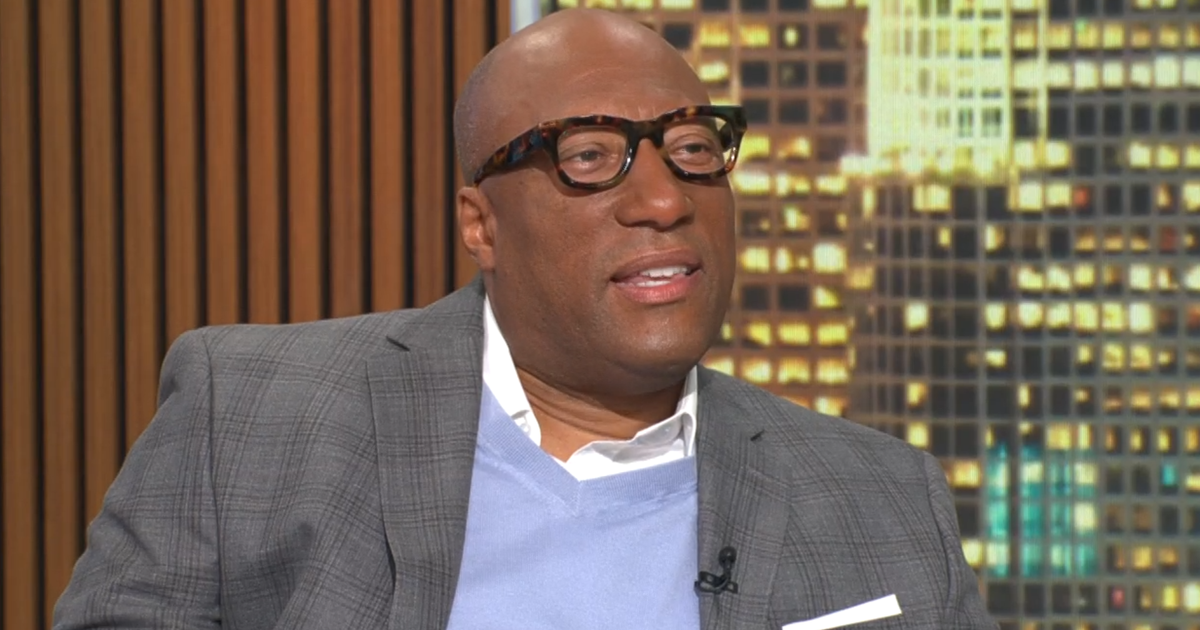
CBS will replace the time slot vacated by The Late Show With Stephen Colbert with Byron Allen’s long-running program Comics Unleashed. Beginning Friday, CBS will air two back-to-back episodes of Comics Unleashed at 11:35 p.m. ET, Monday through Friday; another Allen-produced program, the game show Funny You Should Ask, will move to 12:37 a.m. ET. CBS announced in July that it was retiring The Late Show, citing a financial decision in a challenging late-night environment. Byron Allen said he offered to put Comics Unleashed on CBS at no cost, noting the network already tosses to affiliates his company owns during nighttime hours. The article notes Allen’s media acquisitions (including The Weather Channel and the streaming platform Local Now) and stakes in various media properties and affiliates. Allen said he respects Stephen Colbert, described the cancellation as a business decision, intends to hold onto the late-night audience, and stated that Comics Unleashed will avoid politics and aim to bring people together through comedy. The piece also recounts Allen’s longtime interest in late-night television and his early stand-up and television career milestones.
Biblical Reflection
This story shows both a business decision in broadcast scheduling and a personal milestone for a media entrepreneur. Biblically, several themes are relevant: stewardship of influence, the ethics of power and ownership, and the role of entertainment in shaping public life. Allen’s move to fill the slot and his offer to place programming at no charge reflect strategic stewardship of his media assets and relationships; Christians should note that stewardship can be exercised for profit, service, influence, or some mix of those motives. The article’s framing emphasizes Allen’s personal dream and business savvy while largely leaving broader civic implications unexamined. Two cautions for Christian readers: first, pay attention to how concentration of media ownership can shape which voices and frames reach the public—this matters for truth-telling and plurality of perspectives. Second, the claim that comedy will avoid politics should be received discerningly: humor often carries assumptions, priorities, and moral teaching even when not overtly partisan. At the same time, the desire to unite people through laughter is a legitimate pastoral good—joy and community-building are consistent with Christian care for neighbor. Discernment here is not a call to cynicism but to measured attention: celebrate legitimate accomplishments and the good of laughter, while watching how business decisions and ownership patterns influence what conversations are amplified or muted.
Scripture in context
This outlook does not yet include contextual Scripture citations. Do not treat a general biblical theme as an exegetical conclusion.
Faithful Response
No prescribed response is offered. Consider the reflection prompts below in your own church context.
Reflection and Discussion
- 1What assumptions about the role of late-night television in public conversation does this scheduling change expose, and who benefits from those assumptions?
- 2How should Christians weigh the good of entertainment that unites people against the risk that concentrated media ownership narrows public conversation?
- 3When a public figure promises 'no politics' in entertainment, what questions should you ask to discern what values or perspectives are still being advanced?
Sources
Reporting links are evidence inputs; Sanctuary News' biblical reflection is commentary.
This outlook currently relies on fewer than two linked sources. Broaden verification before teaching from it.
- 1.Original reportprimary