News Summary
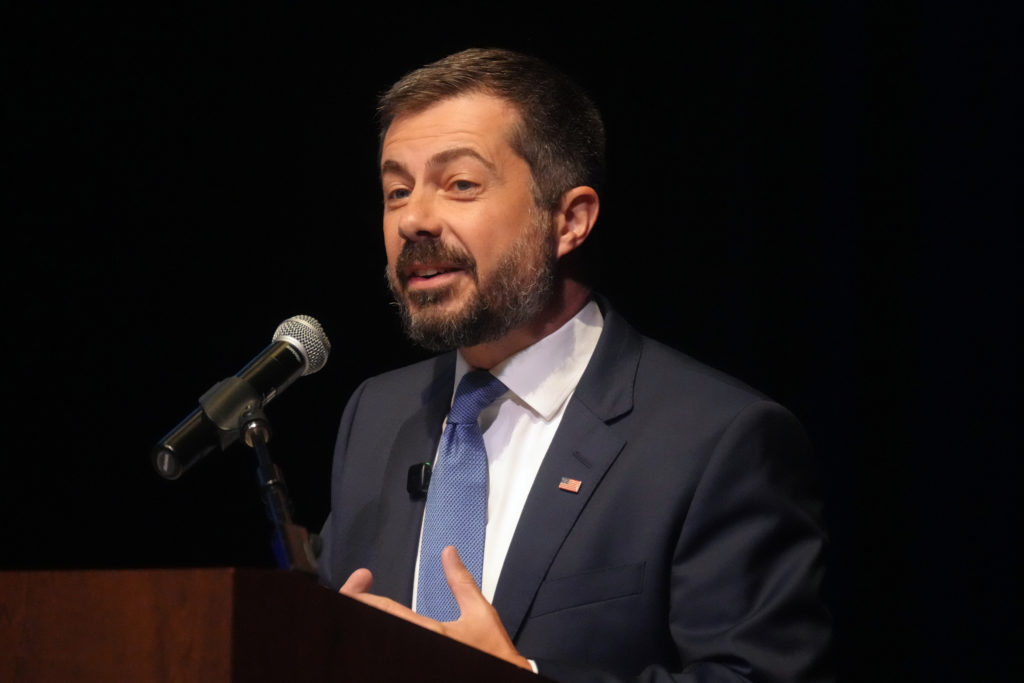
According to a PBS NewsHour report, Pete Buttigieg returned to South Carolina while "mulling" a second presidential run. The piece says he sought to reintroduce himself across the state and to Black voters he "struggled to win in 2020." The supplied excerpt contains no direct quotes, event details, polling figures, or named local responses.
Source and Framing Analysis
Source: PBS NewsHour (supplied excerpt). Framing is neutral and campaign-focused: it presents Buttigieg's movement and intent (returning to South Carolina while considering a run, seeking to reintroduce himself) and highlights a past electoral weakness among Black voters. The report is concise but lacks sourcing details—no direct quotes, no event specifics, no polling or vote-share data to quantify the claim that he "struggled to win" Black voters in 2020. The language "mulls" signals uncertainty about candidacy. Overall, the claim set is plausible and clearly reported, but additional primary reporting or data would strengthen verification and context.
How sources covered this story
Sanctuary separately assesses reporting quality and alignment with Christian virtues. The virtues assessment considers truthfulness, dignity, compassion, justice, peacemaking, humility, and care for vulnerable people. It does not assess a publisher's faith or reward religious language.
Compare 1 reports
Reporting 75/100Virtues 75/100
- Distinctive contribution
- Specifies both the location and timing of activity (returning to South Carolina while 'mulling' a second run) and highlights a targeted outreach goal — reintroducing himself to Black voters, whom he 'struggled to win in 2020' — a concrete political weakness and strategic focus.
- Framing
- Neutral, campaign-focused framing: presents actions (returning, reintroducing) and intent ('mulls a second run') without loaded language; emphasizes political strategy and a past electoral weakness among Black voters.
- Omissions or uncertainty
- No date or timing beyond 'this weekend'; no direct quotes or named sources; no vote totals or metrics illustrating how he 'struggled' in 2020; no detail on events, who he met, local response, or whether a formal campaign decision has been made. 'Mulls' signals uncertainty about candidacy but does not clarify timeline.
- Why these scores
- The sentence is clear, concise, and appropriately cautious ('mulls') about a potential run. It identifies a relevant strategic focus (Black voters) and a past shortcoming. As a brief lede-style excerpt it performs its purpose, but it lacks supporting detail, sourcing, quantitative data, and local context that would raise its journalistic depth. The excerpt is neutral and non-inflammatory, treats subjects with basic respect, and notes outreach to a historically marginalized community without demeaning language. It neither sensationalizes nor exploits suffering. The lack of contextual detail limits opportunities to show greater compassion or justice-focused analysis, hence a solid but not top score.
Biblical Reflection
Christians should observe this political development with discernment anchored in truth, mercy, justice, peacemaking, humility, and care for vulnerable neighbors. Note signs of genuine listening and repentance if a candidate seeks to rebuild trust with communities previously missed or harmed; test whether outreach translates into concrete commitments and policies that advance the common good. Resist evaluating leaders on optics alone; demand consistent character and actions that protect and elevate historically marginalized neighbors.
Scripture in context
- 1Philippians 2:3-4 — Paul urges the church in Philippi to value others above themselves, to show humility, and to look to the interests of others rather than seeking personal advantage. Historically this teaching countered factional pride and self-promotion in early Christian communities. — Evaluate political leaders and campaigns by whether they model humility and seek the real welfare of neighbors—especially those historically marginalized—rather than pursuing power or image alone.
- 2Luke 10:25-37 (the Parable of the Good Samaritan) — Jesus tells a story in response to a question about neighbor-love, redefining 'neighbor' as anyone in need, including those from different groups or backgrounds; the parable challenges religious boundaries and calls for compassionate action across social divides. — Christians should judge political outreach by whether it leads to tangible care for neighbors and bridges divided communities, not simply by campaign rhetoric aimed at winning votes.
Faithful Response
Pray for leaders and neighbors; seek multiple credible information sources about candidates; listen—especially to members of communities the campaign targets—to hear whether outreach is responsive and respectful; engage your church in teaching about faithful civic participation; resist cynicism but test claims by lived outcomes.
Reflection and Discussion
- 1Does this visit reflect genuine reconciliation and listening, or primarily strategic campaign outreach—and what signs distinguish the two?
- 2How can the church encourage political participation that prioritizes mercy and justice rather than merely advancing partisan advantage?
Sources
Reporting links are evidence inputs; Sanctuary News' biblical reflection is commentary.
This outlook currently relies on fewer than two linked sources. Broaden verification before teaching from it.
Download source notes