News Summary
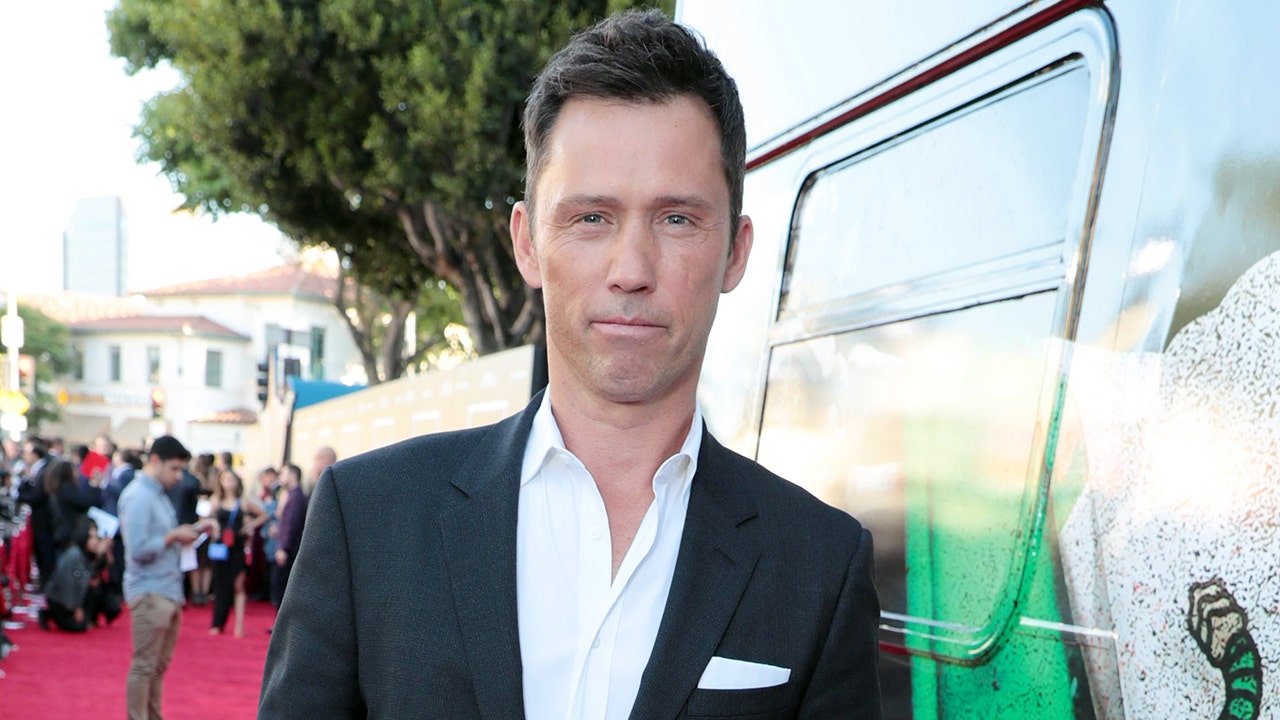
Jeffrey Donovan, the 57-year-old actor known for Burn Notice, told Fox News Digital that he moved to Colorado after meeting his wife, Michelle Woods, on a job. Donovan met Woods in 2011 and they married in August 2012 in Santa Barbara. The couple have three children (Claire, Lucas and Ethan) and Donovan said they are raising their children in Colorado and have no plans to leave. He praised Colorado’s climate and lifestyle as conducive to healthy family life and said raising children there is “less challenging.” The article also reviews Donovan’s breakout role as Michael Westen on Burn Notice (which ran seven seasons) and notes he is currently starring as Abraham in a three-part series called The Faithful. Donovan described feeling the pressure and responsibility of portraying a biblical figure and credited co-star Minnie Driver with helping him find the right approach. He reflected on marriage being complicated and emphasized prioritizing children and the long-term commitment of spouses to provide and educate their family.
Biblical Reflection
From a Christian perspective, Donovan’s decision to prioritize family and choose a place he believes better supports raising his children echoes biblical patterns that value parental responsibility and stewardship of the household. The emphasis on long-term commitment in marriage and putting children’s well-being first aligns with Scripture’s call to care for and instruct the next generation. At the same time, entertainment coverage tends to highlight the feel-good lifestyle aspects (climate, convenience) and celebrity narrative, not deeper spiritual formation or the theological implications of portraying biblical figures. When a public figure portrays a scriptural character like Abraham, it can open doors for people to engage with Scripture, but viewers should distinguish between artistic interpretation and the text itself. Finally, the article’s framing is largely positive and human-interest oriented; it does not probe deeper questions about faith, vocation, or how the family embodies gospel commitments beyond general statements about provision and education. Christians can celebrate commitments to family and faithful marriage while remaining discerning about media simplifications and the difference between dramatized portrayals and biblical truth.
Scripture in context
This outlook does not yet include contextual Scripture citations. Do not treat a general biblical theme as an exegetical conclusion.
Faithful Response
No prescribed response is offered. Consider the reflection prompts below in your own church context.
Reflection and Discussion
- 1What assumptions about a ‘healthy’ environment and parenting does the article make, and how should Christians weigh comfort or convenience against spiritual formation?
- 2How can believers thoughtfully receive biographical or dramatic portrayals of biblical figures without treating them as equivalent to Scripture?
- 3Does the article’s human-interest framing cause us to overlook deeper spiritual disciplines and community responsibilities involved in raising children in the faith?
Sources
Reporting links are evidence inputs; Sanctuary News' biblical reflection is commentary.
This outlook currently relies on fewer than two linked sources. Broaden verification before teaching from it.
- 1.Original reportprimary