News Summary
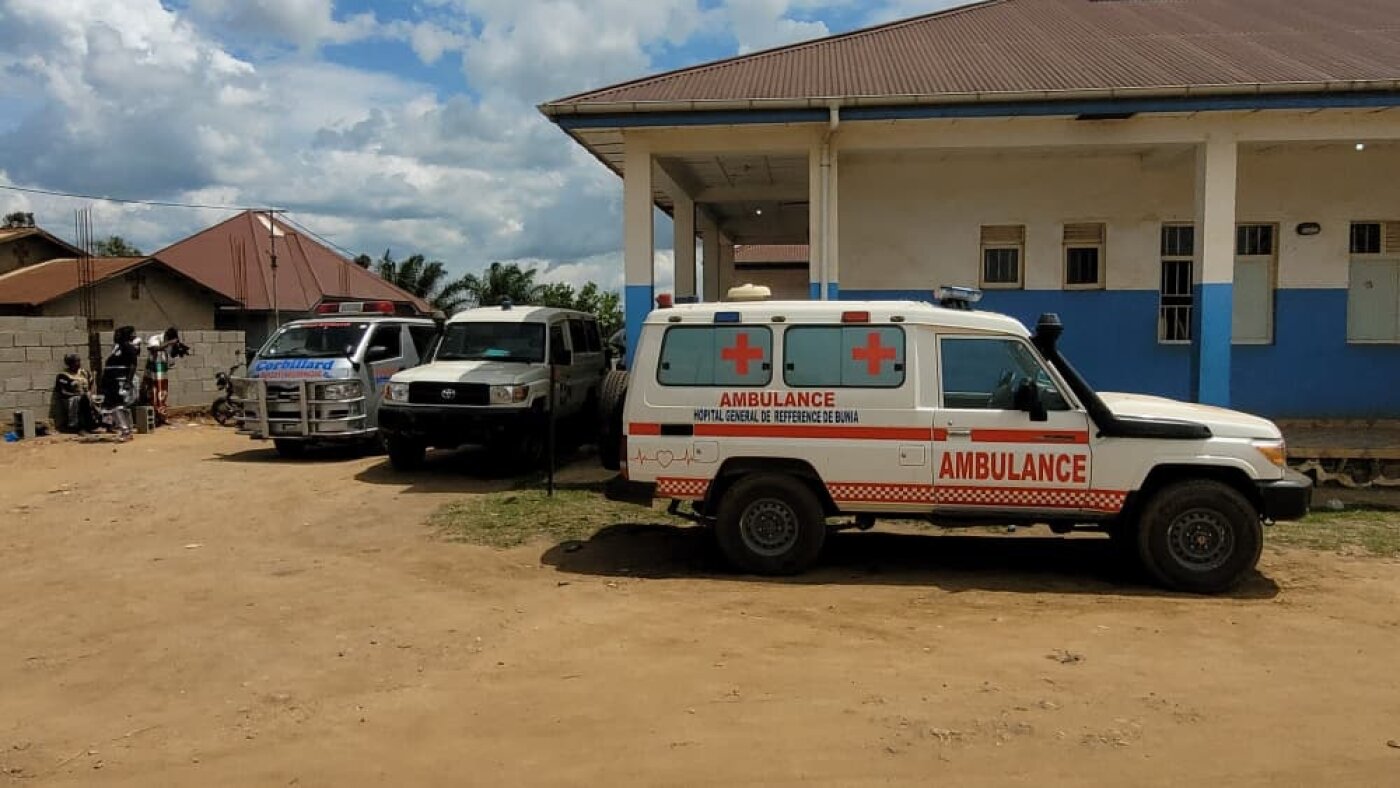
The World Health Organization and Africa CDC confirmed an Ebola outbreak in the Democratic Republic of Congo (Ituri province), first recognized in early May but believed by officials to have begun in late April. As of the latest updates cited, there are 336 suspected cases and 87 deaths. Most cases have been detected in two mining towns, Mongwalu and Rwampara. The outbreak involves the Bundibugyo strain of Ebola, which has had two prior outbreaks; there is currently no licensed vaccine for this strain. An experimental vaccine candidate has been tested in monkeys and shows roughly 50% efficacy in that context but has not been evaluated in humans. One laboratory-confirmed death associated with this outbreak was reported in Kampala, Uganda, where a 59-year-old man who had traveled from the DRC died; his body was returned to the DRC for burial. Health officials note challenges including cross-border movement, insufficient personal protective equipment (PPE) manufacturing and supplies, and difficulty identifying contacts because the outbreak likely circulated before detection. Africa CDC says it is coordinating with partners to reinforce surveillance, preparedness, and response efforts.
Biblical Reflection
The article presents public-health facts and expert statements about an emerging outbreak: case counts, geography, strain identity, cross-border transmission, and gaps in countermeasures. Its emphasis on the absence of a licensed vaccine for this particular strain and on resource constraints (PPE, surveillance) correctly highlights practical vulnerabilities that increase risk. Readers should note responsible comparisons to the 2014–2016 West Africa epidemic are useful for context but can also unintentionally amplify fear; the current strain, outbreak size, and local conditions differ and deserve careful, evidence-based tracking rather than assumptions of inevitable large-scale spread. From a Christian perspective, this event calls for sober awareness and compassionate action. Scripture repeatedly summons believers to care for the sick, support those in need, and protect the vulnerable (notably those in fragile regions with limited healthcare infrastructure). At the same time, Christians are called to resist panic, misinformation, and stigmatization of people or regions affected by disease. Practically, the story exposes moral and structural issues—unequal global access to PPE, vaccines, and health systems capacity—that implicate questions of justice and stewardship. Christians can pray for and support relief and public-health work, advocate for equitable resources, and pursue truth by following reputable public-health guidance rather than rumors. The piece itself is broadly aligned with objective truth as reported by health authorities, but readers should remain attentive to evolving data and avoid letting alarming headlines override measured discernment and compassion.
Scripture in context
This outlook does not yet include contextual Scripture citations. Do not treat a general biblical theme as an exegetical conclusion.
Faithful Response
No prescribed response is offered. Consider the reflection prompts below in your own church context.
Reflection and Discussion
- 1How does the article frame the risk (comparisons to prior large outbreaks, emphasis on missing vaccines) and how might that framing shape fear or policy responses?
- 2What assumptions about global responsibility and resource distribution are revealed by reporting on PPE and vaccine scarcity in affected regions?
- 3In what ways should Christians balance urgency for containment with the call to treat affected people with dignity and avoid stigmatizing language?
Sources
Reporting links are evidence inputs; Sanctuary News' biblical reflection is commentary.
This outlook currently relies on fewer than two linked sources. Broaden verification before teaching from it.
- 1.Original reportprimary