News Summary
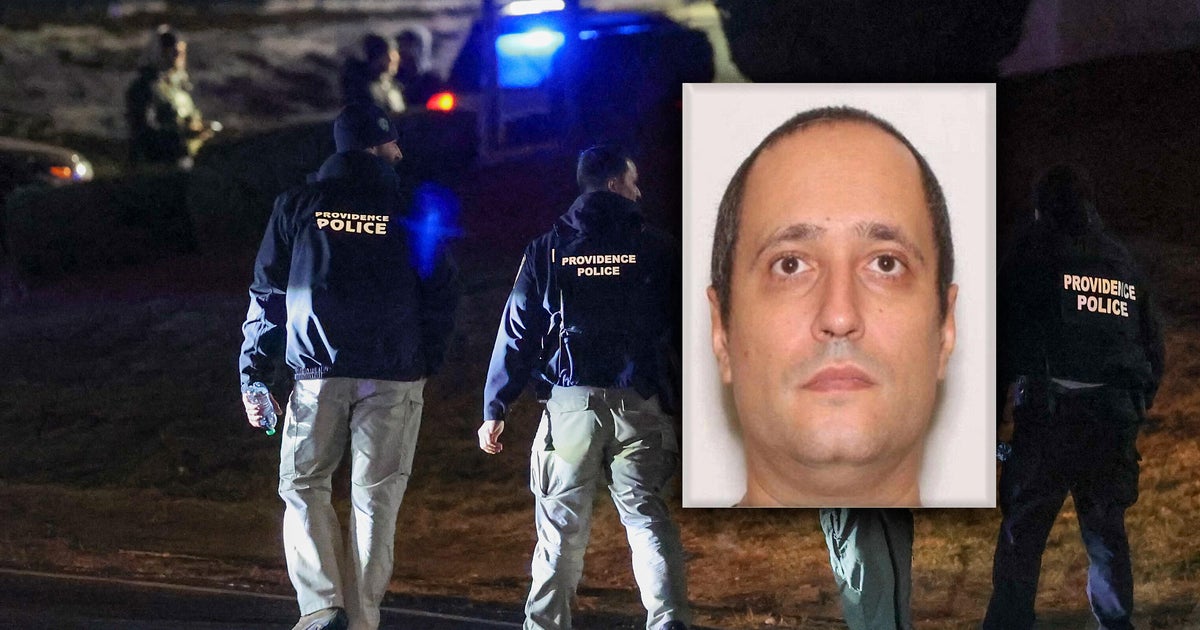
The article details the recent identification and death of Claudio Manuel Neves Valente, who is believed to be responsible for a shooting at Brown University and the murder of MIT professor Nuno Loureiro. Valente, a Portuguese national, entered the U.S. through the Diversity Immigrant Visa Program in 2017 and previously studied at Brown University from 2000 to 2001. Authorities tracked Valente’s movements through surveillance footage, car rentals, and financial records, ultimately finding him dead in a New Hampshire storage unit, along with firearms. The investigation links Valente to both the Brown shooting—resulting in the deaths of two students, Ella Cook and Mukhammad Aziz Umurzokov—and the killing of Loureiro, a prominent scientist at MIT. The motive for the crimes remains unknown. The incident has prompted Homeland Security Secretary Kristi Noem to pause the Diversity Immigrant Visa Program, citing concerns over national safety.
Biblical Reflection
From a scriptural perspective, the events described in this article are deeply tragic and underscore the brokenness of a world marred by violence, loss, and unanswered questions. Human life, created in the image of God, is sacred (Genesis 1:27), and the taking of innocent lives through such senseless violence stands in direct opposition to the commandments to love our neighbor (Mark 12:31) and not to murder (Exodus 20:13). The grief experienced by the families, friends, and communities involved calls for deep compassion and prayerful support. The lack of a clear motive reminds us of the mystery of evil and the reality that, at times, the human heart can be consumed by darkness (Jeremiah 17:9).
The policy reaction—pausing a visa program—reflects society’s attempt to seek safety and justice, but Christians are reminded that true and lasting peace does not ultimately come from human systems but from God’s work of redemption. While it is wise to seek justice and protect communities, we are also called to avoid scapegoating and to uphold the dignity of every person, regardless of their origin or circumstance (Galatians 3:28). In times of fear and outrage, the biblical call is to seek justice, love mercy, and walk humbly with God (Micah 6:8), praying for healing and peace for all affected.
Scripture in context
This outlook does not yet include contextual Scripture citations. Do not treat a general biblical theme as an exegetical conclusion.
Faithful Response
No prescribed response is offered. Consider the reflection prompts below in your own church context.
Reflection and Discussion
- 1How can you respond to acts of violence with both a desire for justice and a spirit of compassion?
- 2In what ways can you help foster a sense of safety and healing within your community?
- 3What prevents us from trusting in God’s ultimate justice and peace in the face of tragedy?
Sources
Reporting links are evidence inputs; Sanctuary News' biblical reflection is commentary.
This outlook currently relies on fewer than two linked sources. Broaden verification before teaching from it.
- 1.Original reportprimary