News Summary
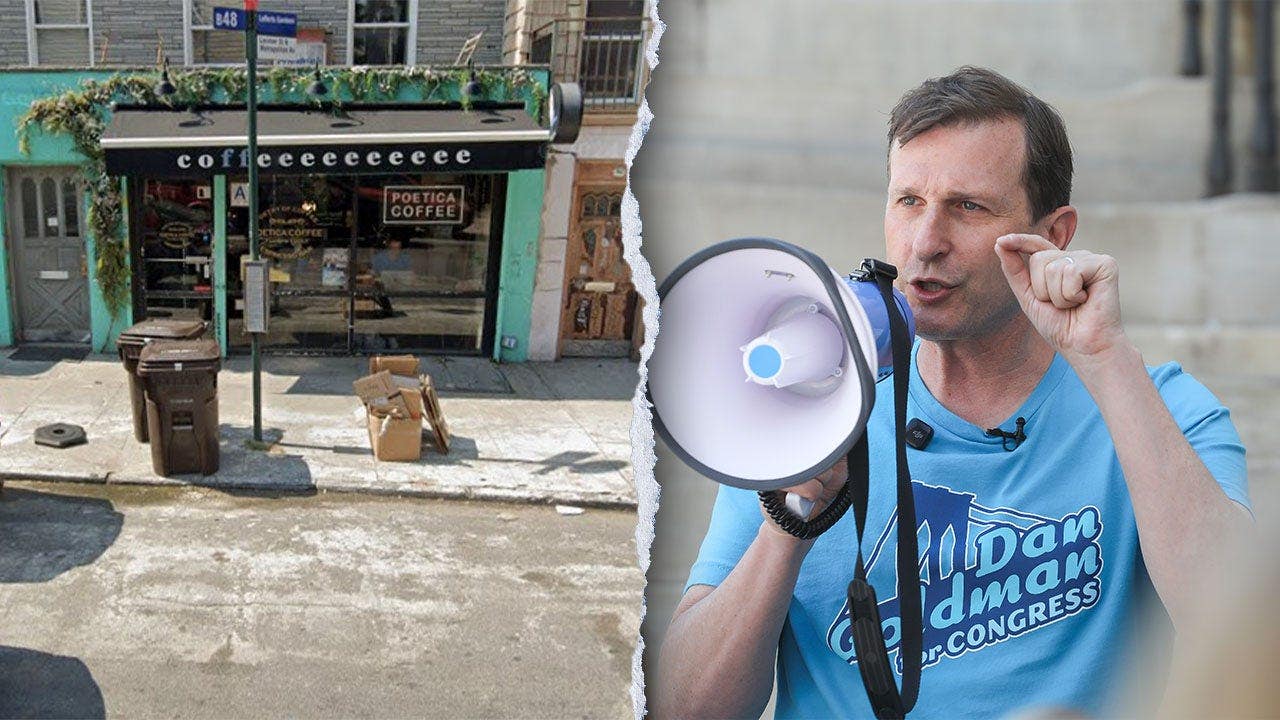
A Brooklyn café, Poetica Coffee, posted on Facebook saying it refunded a purchase made by Rep. Dan Goldman and that it would have turned him away had staff recognized him because it does not serve "genocide enablers," referencing Goldman's support for Israel amid the Gaza war. Goldman visited the shop with his seven-year-old daughter, said the barista had been kind to his child and that he bought coffee in appreciation; he issued a brief statement expressing disappointment at the post. Poetica's social post named categories of people it says it will not serve and suggested Goldman's funds were politicized; the shop later said the refund was the barista’s idea. The post drew public criticism, including from Mark Treyger of the Jewish Community Relations Council of New York, who suggested a review under city and state human rights laws. The incident prompted commentary about discrimination and the shop's stated policy of treating all guests with dignity on its website. Fox News Digital reached out to Goldman, the coffee shop, and city and state officials for comment.
Biblical Reflection
This story highlights tensions between political protest and the Christian commitments to both truth and the dignity of neighbors. Public denunciations of policies or governments can be a legitimate form of moral witness, but when political disagreement is expressed by excluding or shaming individual persons—especially when those persons are identifiable in public settings and accompanied by children—it risks treating people as symbols rather than as neighbors made in God's image. The post's rhetoric ('genocide enablers') uses an extreme moral label that is contested and carries heavy legal and historical weight; Christians should be cautious about adopting or amplifying language that dehumanizes others before careful moral and factual assessment. At the same time, communities have legitimate concerns about discrimination and the need for consistent, non-arbitrary public accommodations. The underlying worldview in the post and the public reactions is one of polarized identity politics: moral categories quickly map to who is welcome or unwelcome. A Christian response holds both convictions and charity—speaking truth about injustice where established, but refusing to treat critics or political opponents as permanently cast out. Where the law is implicated, procedural remedies are appropriate; where relationships are fractured, seek restoration and honest conversation rather than public humiliation.
Scripture in context
This outlook does not yet include contextual Scripture citations. Do not treat a general biblical theme as an exegetical conclusion.
Faithful Response
No prescribed response is offered. Consider the reflection prompts below in your own church context.
Reflection and Discussion
- 1Are political disagreements being expressed in ways that preserve the intrinsic dignity of the persons involved, or are people being reduced to political labels?
- 2How do we balance a prophetic call to oppose injustice with the Christian imperative to pursue reconciliation and not public shaming?
- 3When an act of conscience risks discrimination, what fair, legal, and pastoral avenues should we pursue instead of exclusion?
Sources
Reporting links are evidence inputs; Sanctuary News' biblical reflection is commentary.
This outlook currently relies on fewer than two linked sources. Broaden verification before teaching from it.
- 1.Original reportprimary