News Summary
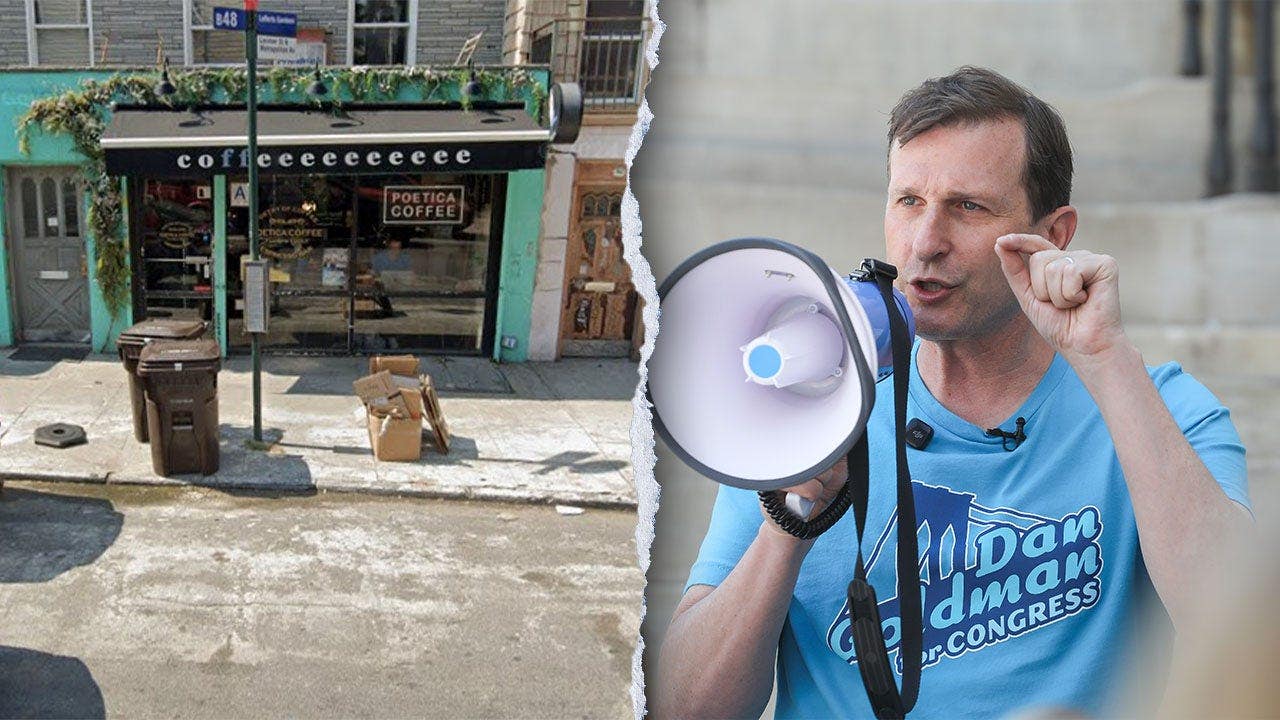
Poetica Coffee, a Brooklyn coffee shop owned by Parviz Mukhamadkulov, posted (and later deleted) a social-media message singling out Rep. Dan Goldman, a Jewish congressman, refusing service and issuing a refund over his support for Israel. The Justice Department has opened a civil rights civil probe into the incident. Reporting by the Washington Free Beacon, cited by Fox News Digital, says Mukhamadkulov and Poetica allegedly owe hundreds of thousands of dollars in unpaid New York state taxes. The shop has reportedly received repeated health-code violations since 2023, including findings of flies, sewage-disposal problems, evidence of rats, and improper pesticide storage. Archived social-media posts attributed to Mukhamadkulov include anti-Israel and inflammatory remarks; Mukhamadkulov deleted his account after the story surfaced. FEC records show a small campaign donation ($35) from Mukhamadkulov to Maine candidate Graham Platner. Poetica did not comment to the outlet that reported these details, and the report cited local health and tax records and archived social posts as sources.
Biblical Reflection
From a Christian perspective this story raises several pastoral concerns. If the shop singled out an individual because of his Jewish identity or political support for Israel, that triggers both legal and moral issues: the protection of neighbors from discrimination and the call to treat persons with dignity. The DOJ civil-rights probe is a legitimate institutional response when alleged discrimination involves a protected characteristic. At the same time, Christians should be cautious about accepting every allegation at face value; some claims here come through partisan outlets and archived social posts that may lack fuller context or independent corroboration. There's also a danger in reducing people to single political positions or in celebrating another's suffering — conduct Scripture calls us away from. We should hold to truth and justice (seeking factual clarity and due process), speak against dehumanizing rhetoric, and resist using the moment for partisan scoring. Love of neighbor asks us to defend the targeted and to extend mercy and accountability, not to conflate business regulatory failings (tax and health-code violations) with the motive for the social-media message without clear evidence. Ultimately Christians should pray for the injured, seek truth, and pursue reconciliation while supporting lawful protections for people targeted because of who they are.
Scripture in context
This outlook does not yet include contextual Scripture citations. Do not treat a general biblical theme as an exegetical conclusion.
Faithful Response
No prescribed response is offered. Consider the reflection prompts below in your own church context.
Reflection and Discussion
- 1Are we distinguishing verified facts from partisan reporting before forming moral judgments, and how does that affect our witness?
- 2How should Christians weigh a private business's freedom to refuse service against protections for people targeted because of identity or religion?
- 3Are our responses shaped more by a desire to win a political argument than by a call to defend the vulnerable and seek restoration?
Sources
Reporting links are evidence inputs; Sanctuary News' biblical reflection is commentary.
This outlook currently relies on fewer than two linked sources. Broaden verification before teaching from it.
- 1.Original reportprimary