News Summary
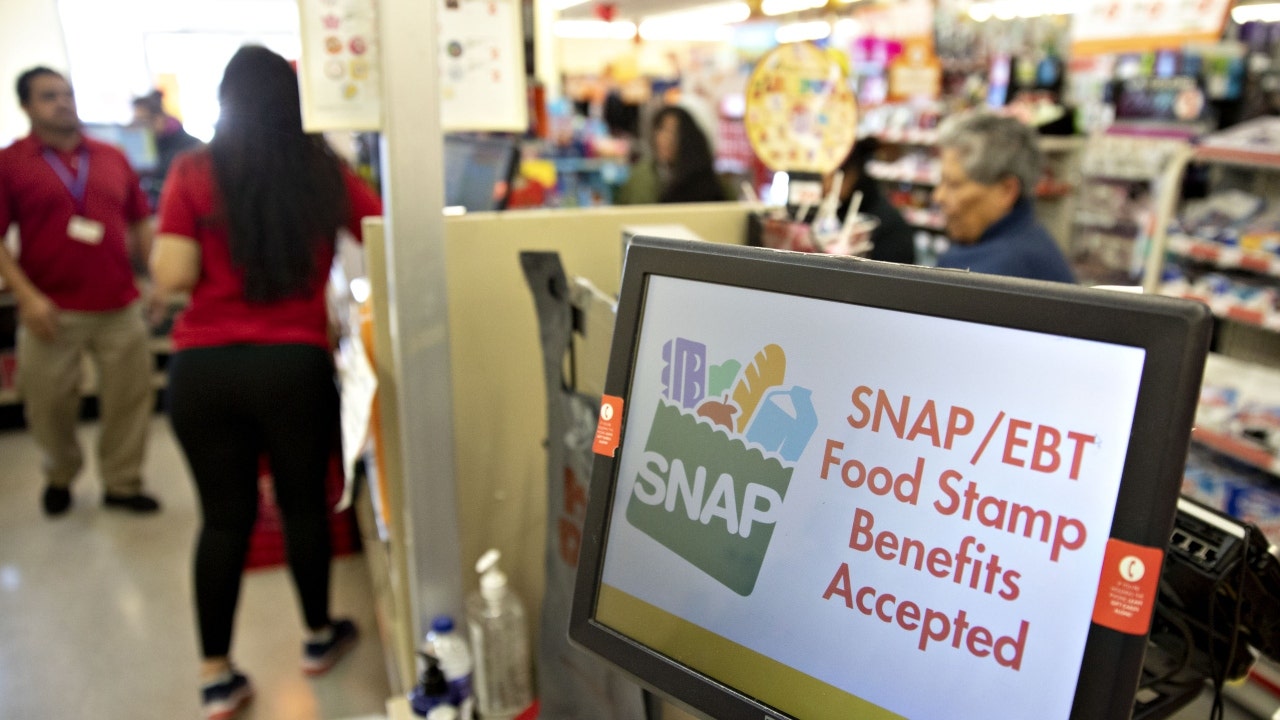
The opinion piece, authored by Brooke L. Rollins (USDA) and Robert F. Kennedy Jr. (HHS), announces a pending USDA final rule that will raise retailer stocking standards for the Supplemental Nutrition Assistance Program (SNAP). The rule increases the minimum required varieties of staple foods carried by SNAP retailers from 12 to 28 across four staple groups, with the stated aim of expanding access to real, nutrient-dense foods—eggs, poultry, whole grains, fruit, yogurt—among SNAP participants. The authors argue that current stocking standards and loopholes have allowed highly processed, low-nutrient products to dominate SNAP redemptions, contributing to rising chronic disease and childhood obesity. They cite public-health and national-security consequences (e.g., many young Americans being ineligible for military service due to poor health) and frame the change as fiscal stewardship of taxpayer dollars and alignment with Dietary Guidelines for Americans. The piece positions the policy as part of a broader effort under President Trump’s leadership to modernize SNAP ahead of the nation’s 250th anniversary.
Biblical Reflection
From a biblical perspective, the policy’s stated goals—improving the health of vulnerable families, stewarding public resources wisely, and increasing access to nourishing food—resonate with core scriptural concerns. Scripture repeatedly calls God’s people to feed the hungry (Matthew 25:35–40), care for widows and orphans (James 1:27), and act justly on behalf of the vulnerable (Isaiah 1:17). Requiring retailers who accept public funds to offer genuinely nutritious options can be seen as an attempt to honor those responsibilities by ensuring that assistance actually supports flourishing lives.
At the same time, Scripture warns against self-righteousness, hard-heartedness, and failing to preserve human dignity (Luke 6:36). Policy reforms will be scripturally commendable only insofar as they balance mercy with justice: they must avoid shaming or punishing needy people for their circumstances, should not create barriers to access in food deserts, and ought to attend to practical implementation so families don’t lose choices without affordable, convenient alternatives. Proverbs calls for wise stewardship (Proverbs 21:20) but also compassion for the poor (Proverbs 14:21). Therefore Christians should welcome efforts that genuinely increase access to nutritious food while advocating that reforms preserve dignity, avoid unintended harm, and address root causes of poverty and access—such as income, transportation, and local food infrastructure.
Finally, Christians should pray for and support policies that reflect both mercy and truth: encourage measures that reduce preventable disease while pressing for justice, accountability from retailers receiving public funds, and thoughtful implementation that centers the needs of low-income families rather than political posturing.
Scripture in context
This outlook does not yet include contextual Scripture citations. Do not treat a general biblical theme as an exegetical conclusion.
Faithful Response
No prescribed response is offered. Consider the reflection prompts below in your own church context.
Reflection and Discussion
- 1How can I support efforts to improve nutrition for low-income families in ways that preserve dignity and practical access?
- 2Do I tend to judge policy decisions by political affiliation or by whether they promote mercy, justice, and flourishing?
- 3What local needs (transportation, affordability, education) might prevent nutritional policy changes from actually helping the people they intend to serve?
Sources
Reporting links are evidence inputs; Sanctuary News' biblical reflection is commentary.
This outlook currently relies on fewer than two linked sources. Broaden verification before teaching from it.
- 1.Original reportprimary