News Summary
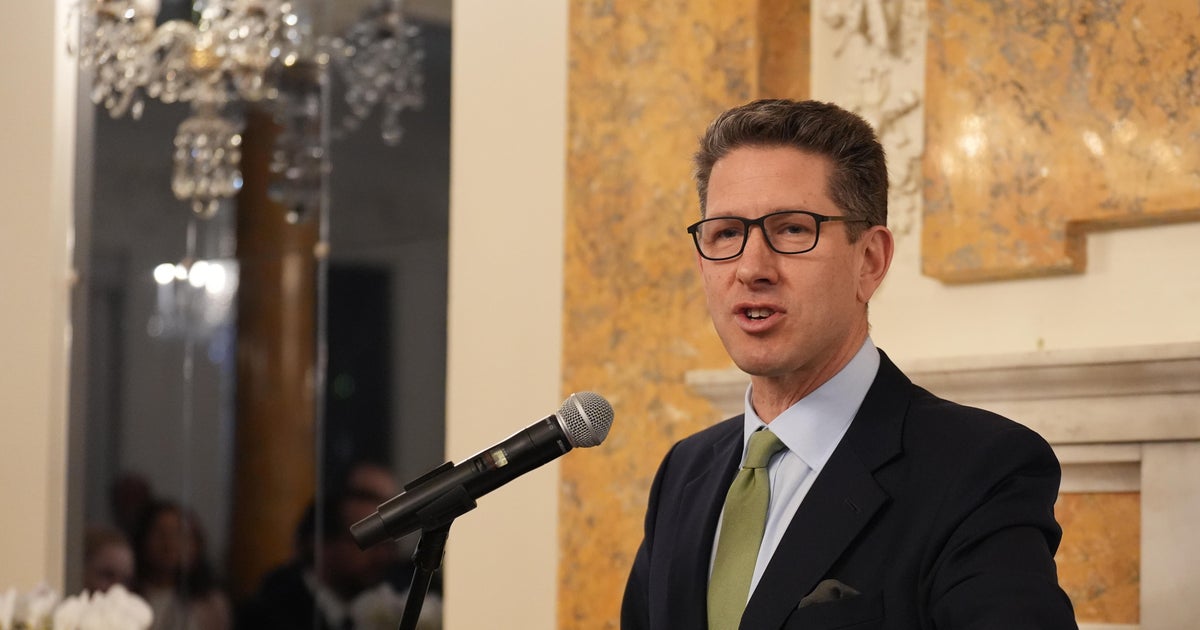
A Financial Times-obtained recording reported in late April 2026 contains remarks by Britain’s Ambassador to the U.S., Sir Christian Turner, made in February to a group of U.K. sixth-form students. In the comments, Turner said he thought the only country that has a “special relationship” with the United States was “probably Israel,” and called it “quite nostalgic” to use the term “special relationship” for U.K.–U.S. ties. He also described it as “extraordinary” that the Jeffrey Epstein scandal had brought down senior figures in the U.K. while apparently causing little political fallout in the U.S. CBS News said it had not reviewed the audio; the U.K. Foreign and Commonwealth Office characterized the remarks as private and not reflecting government policy. Turner also affirmed that U.K.–U.S. ties remain strong, particularly on defense and security. The remarks became public as King Charles III and Queen Camilla were on a formal state visit to the U.S.; the story also references domestic U.K. political controversy over former ambassador Peter Mandelson’s ties to Epstein and comments by U.S. President Trump about Prime Minister Keir Starmer’s standing.
Biblical Reflection
Turner’s comments are presented as a private diplomat’s opinion rather than an official policy statement. Christians should note two levels: factual accuracy and moral implication. Factually, describing the U.S. relationship with other nations is partly subjective; calling Israel the only country with a “special relationship” is an assessment open to debate and not an objective statement of policy. Morally and pastorally, the story surfaces concerns about favoritism, influence, and differing standards of accountability across nations. From a biblical perspective, we should resist cynicism or rushes to judgment based on a single private remark; instead, seek careful evaluation of motives and evidence (Proverbs 18:13). At the same time, the disclosure of private comments and the contrasting public reaction to scandals raise legitimate questions about justice, transparency, and how power shields or exposes wrongdoing. As Christians we are called to pursue truth, to pray for leaders, and to advocate for justice and humility in public life (Micah 6:8). Beware media framing that converts private opinion into an official condemnation or inflames tribal resentments; aim to interpret such reports with discernment, seeking reconciliation and fair accountability rather than partisan advantage.
Scripture in context
This outlook does not yet include contextual Scripture citations. Do not treat a general biblical theme as an exegetical conclusion.
Faithful Response
No prescribed response is offered. Consider the reflection prompts below in your own church context.
Reflection and Discussion
- 1Does the article present Turner’s words as a personal opinion or as official policy, and how does that distinction change how we should respond?
- 2What assumptions about national alliances and moral accountability might lead readers to over-interpret a diplomat’s private remarks?
- 3Are we allowing tribal loyalties or media framing to shape our moral judgments more than careful evaluation and prayerful discernment?
Sources
Reporting links are evidence inputs; Sanctuary News' biblical reflection is commentary.
This outlook currently relies on fewer than two linked sources. Broaden verification before teaching from it.
- 1.Original reportprimary