News Summary
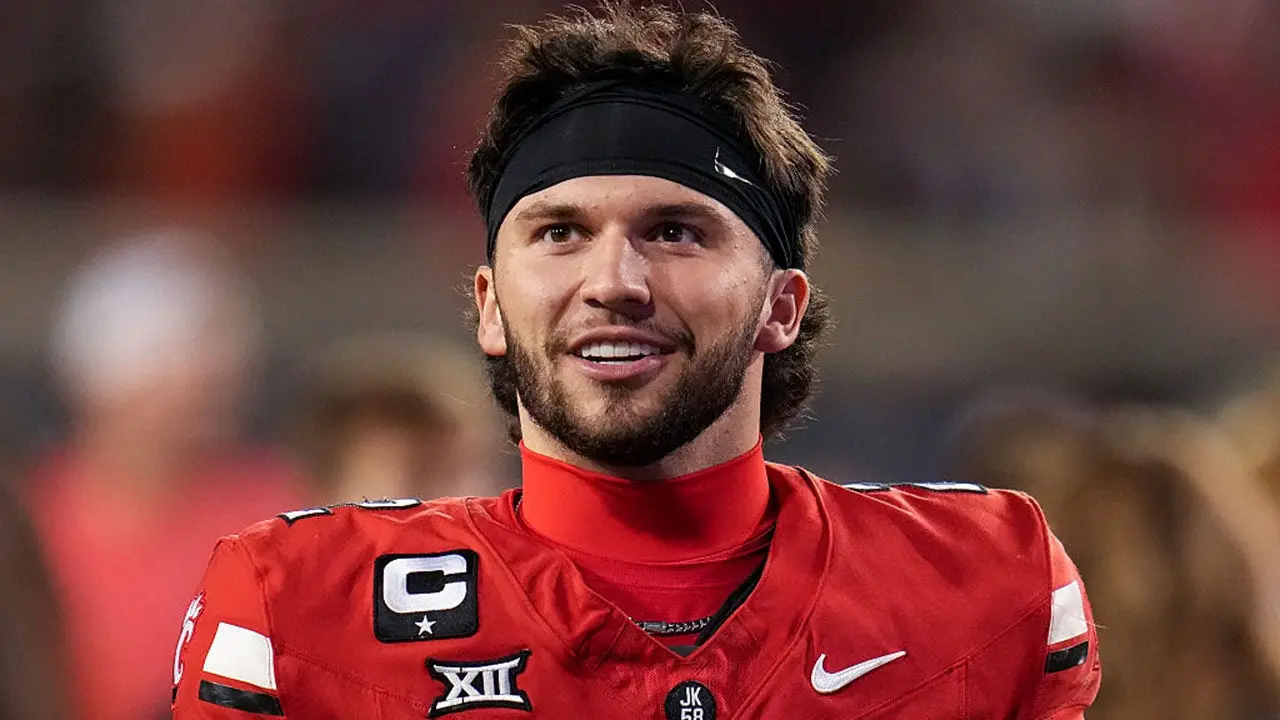
Texas Tech quarterback Brendan Sorsby is the subject of an NCAA investigation into alleged sports wagering that took place while he was at Indiana. Sorsby has checked himself into a betting-rehab program, and sources say he has retained prominent sports lawyer Jeffrey Kessler to seek a reduced NCAA penalty that would allow him to play in the 2026 season. If the NCAA imposes a suspension Kessby may pursue litigation in Texas courts to challenge the sanction; if legal and administrative options fail, Sorsby could attempt to enter the NFL supplemental draft. Reporters note NCAA rules bar athletes from wagering on any sport that is played at the collegiate level and that betting on one’s own team is explicitly prohibited. Texas Tech and Sorsby are reportedly working to keep him eligible to play; outside commentators question whether he will be able to continue his college career if significant penalties are imposed.
Biblical Reflection
From a Christian vantage, this story raises familiar moral and spiritual themes: the reality of temptation, the importance of personal integrity, the need for accountability within institutions, and the possibility of restoration. The facts as reported point to a rule violation with ethical implications — athletes hold positions of trust and are called to honest behavior. Media coverage that emphasizes talent, million-dollar stakes, or legal maneuvering can obscure the moral core: someone may have sinned and must face consequences, yet also may need pastoral care and opportunities for repentance and restoration. Christians should also be attentive to bias in the narrative: outlets often dramatize the legal fight or focus on potential financial loss rather than the human and communal harms that gambling and dishonesty can cause. Biblically faithful response holds both truths together — insistence on justice and standards (so that sport and community remain credible) and readiness to extend grace, encourage contrition, and support rehabilitation when true repentance is shown. Finally, the story is a caution about idols — fame, money, and competitive success — that can distort judgment; Christians are invited to reorient around stewardship, honesty, and the common good.
Scripture in context
This outlook does not yet include contextual Scripture citations. Do not treat a general biblical theme as an exegetical conclusion.
Faithful Response
No prescribed response is offered. Consider the reflection prompts below in your own church context.
Reflection and Discussion
- 1Whose interests does the coverage prioritize — the institution, the athlete’s future earnings, or the integrity of the sport — and how does that shape the story we hear?
- 2How do we hold individuals accountable while also practicing restorative care when someone admits wrongdoing and seeks help?
- 3Are there systemic pressures (money, gambling availability, athlete commercialization) that make ethical lapses more likely, and how should Christian communities engage those pressures?
Sources
Reporting links are evidence inputs; Sanctuary News' biblical reflection is commentary.
This outlook currently relies on fewer than two linked sources. Broaden verification before teaching from it.
- 1.Original reportprimary