News Summary
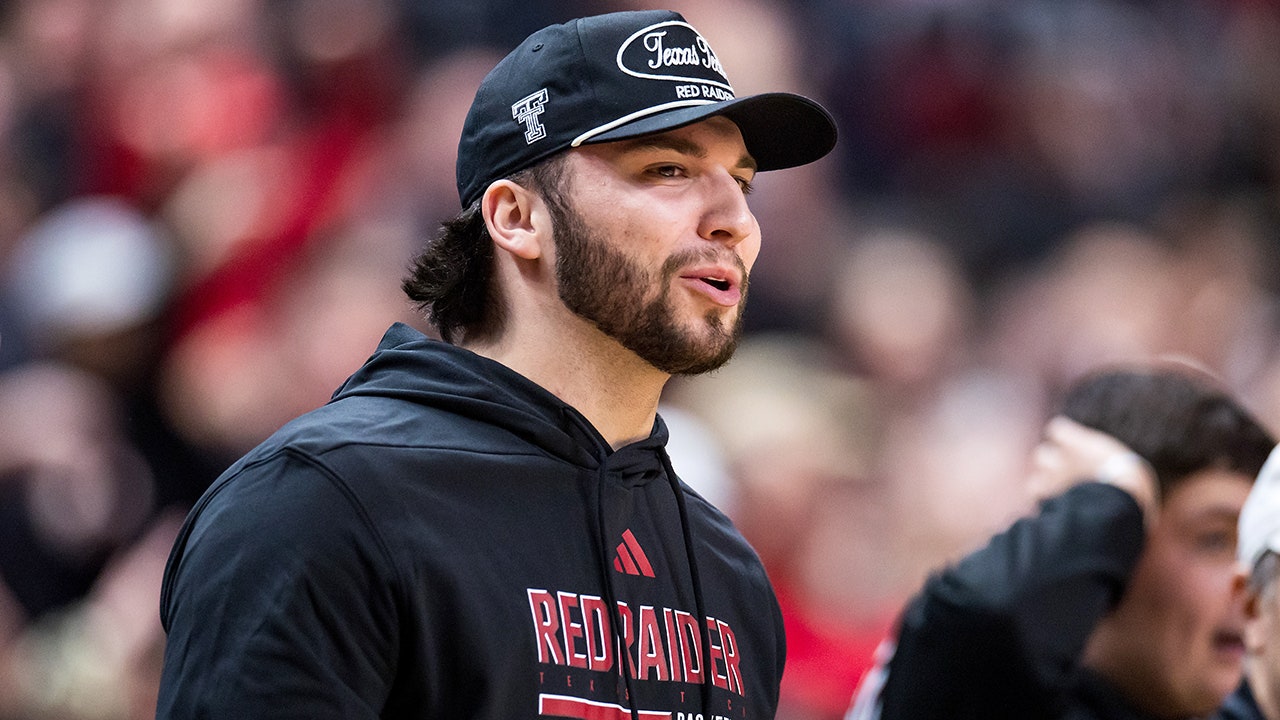
Court filings in Lubbock, Texas show Texas Tech quarterback Brendan Sorsby admitted to placing roughly $90,000 in wagers over four years while enrolled at Indiana, Cincinnati and Texas Tech. Attorneys filing for a district court injunction seek a judge’s order that could allow Sorsby to play this season despite the NCAA finding him ineligible for violating sports gambling rules. The filings say Sorsby used multiple betting apps (including FanDuel, Underdog, Hard Rock Bet and PrizePicks), placed about 2,900 wagers totaling over $30,000 during his time at Indiana, and transferred at least $60,000 to friends who placed bets on his behalf. The filings also state he made at least 40 wagers on his own college team during the 2022 redshirt season, with bets ranging from $1 to $114 over a two-month period; Sorsby contends those bets were on his team to win and not on games in which he played. His attorneys cite a physician’s diagnosis from an Arizona rehabilitation center and note Sorsby completed a 35-day treatment stay. Texas Tech has written to the NCAA recommending a two-game suspension rather than a longer sanction. The NCAA declared Sorsby ineligible for the upcoming 2026 season after an investigation that began following a tip to the association. The legal challenge argues the NCAA should account for Sorsby’s documented gambling addiction and the medical evidence in determining discipline.
Biblical Reflection
This story touches on competing Christian concerns: truth and accountability, mercy and restoration, and the protection of community integrity. The facts show Sorsby confessed to extensive wagering and used intermediaries, which rightly raises questions about fairness and the integrity of competition. At the same time, the filing cites addiction and medical treatment — reminding us that wrongdoing can be entangled with illness. Christians should be wary of easy narratives that cast a person only as victim or only as criminal. The article primarily reports claims from court filings and from Sorsby’s legal team; those claims (including medical diagnoses and motivations) are not judicial findings and should be treated as part of a contested legal record. The institutional response — the NCAA’s enforcement and Texas Tech’s push for a limited suspension — invites reflection on proportional justice: discipline that protects the integrity of sport and deters misconduct, yet allows for rehabilitation and restoration where appropriate. Pastoral concern also points to structural questions: young athletes operate in a high-pressure, cash-rich environment (NIL deals, public attention) with easy access to betting apps. That context does not excuse personal choices but should prompt Christian advocates to call for policies and campus support systems that reduce opportunities for harm and provide early help for addiction. Finally, be attentive to tone and sourcing: outlets may emphasize scandal or institutional critique; weigh reported claims against what is verified and await court rulings before assuming final culpability or outcomes.
Scripture in context
This outlook does not yet include contextual Scripture citations. Do not treat a general biblical theme as an exegetical conclusion.
Faithful Response
No prescribed response is offered. Consider the reflection prompts below in your own church context.
Reflection and Discussion
- 1How do we hold individuals accountable while also recognizing and responding to addiction as a medical and spiritual need?
- 2In what ways might the structures of college sports (financial incentives, NIL deals, easy access to betting) increase vulnerability, and how should communities respond?
- 3When media and institutions emphasize punishment or victimhood, what signs should we look for to discern a fair, balanced picture of truth and mercy?
Sources
Reporting links are evidence inputs; Sanctuary News' biblical reflection is commentary.
This outlook currently relies on fewer than two linked sources. Broaden verification before teaching from it.
- 1.Original reportprimary