News Summary
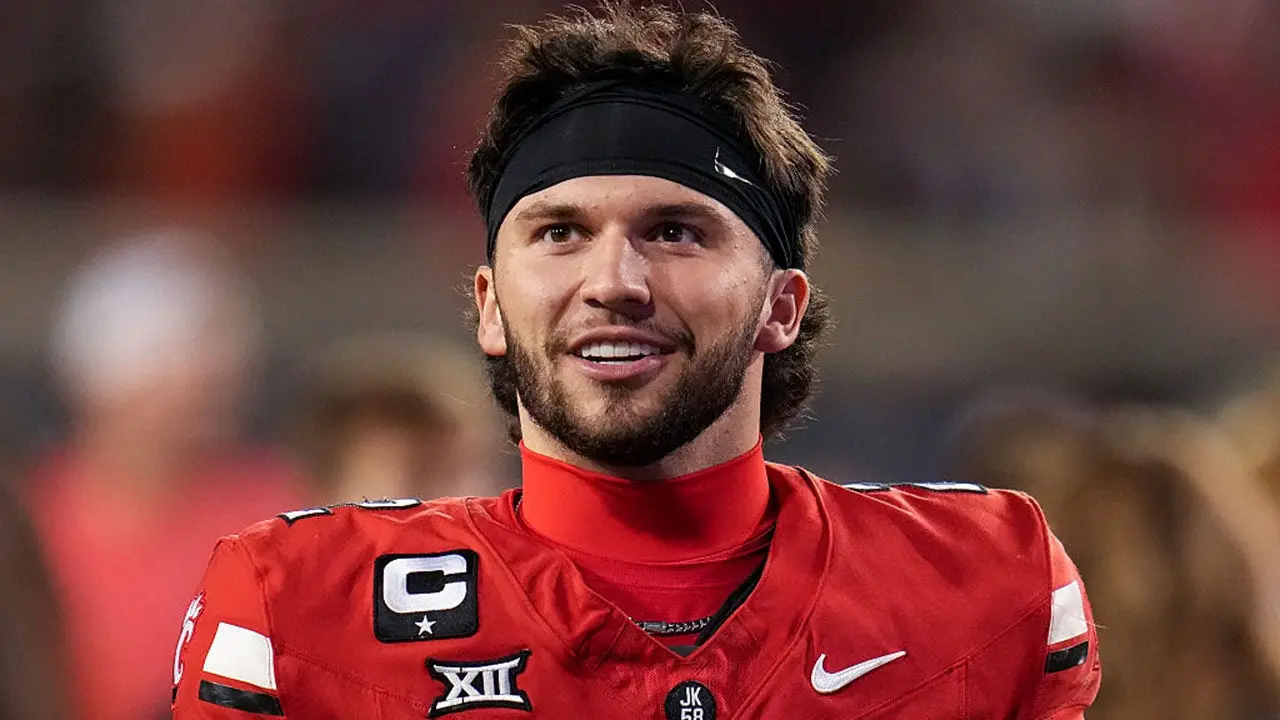
Brendan Sorsby, a quarterback now with Texas Tech, has entered a residential treatment program for a gambling addiction and filed a lawsuit in Lubbock seeking a court injunction to allow him to play in the 2026 season. The complaint asks a judge to compel the NCAA to process a reinstatement request and argues the NCAA delayed and improperly handled the matter instead of supporting Sorsby’s recovery. Sorsby’s legal filings acknowledge he placed nearly 10,000 small wagers over several years on a variety of sports; they also admit he placed bets on Indiana games while enrolled there but state he wagered in support of Indiana and did not bet against or manipulate his team. His lawyers say the NCAA refused to negotiate and demanded extensive financial and communication records and a live interview that would interrupt treatment. The NCAA maintains its rules prohibit betting on one’s own team and says those rules must be uniformly enforced to protect competitive integrity; the Association says it has not received a reinstatement notice in this case. The lawsuit seeks expedited relief, noting an upcoming NFL supplemental draft deadline that Sorsby says creates irreparable harm if reinstatement is delayed. A local judge will decide whether to grant the requested injunction; doing so could affect NCAA precedent on eligibility and gambling enforcement.
Biblical Reflection
This story raises two legitimate Christian concerns: the pastoral need to respond to addiction with compassion and the communal need to uphold honesty and trust in shared institutions. Gambling addiction is both a moral failing and often a health issue; Scripture calls us to show mercy to those who repent and to help the broken find restoration (e.g., Galatians 6:1, James 5:16). At the same time, institutions like the NCAA are tasked with protecting fair competition and the common good, and rules must be applied to preserve trust among players, teams, and fans. Be cautious of framings that either entirely absolve wrongdoing because of illness or that use a person’s struggle to excuse harmful behavior. The legal argument that mental-health treatment was interrupted by investigative procedures invites legitimate questions about humane process and reasonable accommodations; the admission that he bet on his own team complicates claims of purely supportive intent and calls for accountability. Christians should hold both truths together: advocate for compassionate, rehabilitative treatment and transparent, proportional accountability that protects community integrity. Finally, note the media angle: some outlets may emphasize sympathy for the athlete, others the threat to integrity; read claims against both the NCAA and Sorsby’s camp critically, seeking facts rather than emotional narratives.
Scripture in context
This outlook does not yet include contextual Scripture citations. Do not treat a general biblical theme as an exegetical conclusion.
Faithful Response
No prescribed response is offered. Consider the reflection prompts below in your own church context.
Reflection and Discussion
- 1How should Christians weigh compassion for someone battling addiction against the need for transparent accountability that preserves communal trust?
- 2When a public institution enforces rules that harm an individual’s opportunity, what criteria should we use to discern whether that enforcement is just, excessive, or lacking in mercy?
- 3Does the media’s framing (sympathy for the athlete vs. protection of integrity) push you toward one-sided thinking, and how can you rehearse both justice and mercy in evaluating the story?
Sources
Reporting links are evidence inputs; Sanctuary News' biblical reflection is commentary.
This outlook currently relies on fewer than two linked sources. Broaden verification before teaching from it.
- 1.Original reportprimary