News Summary
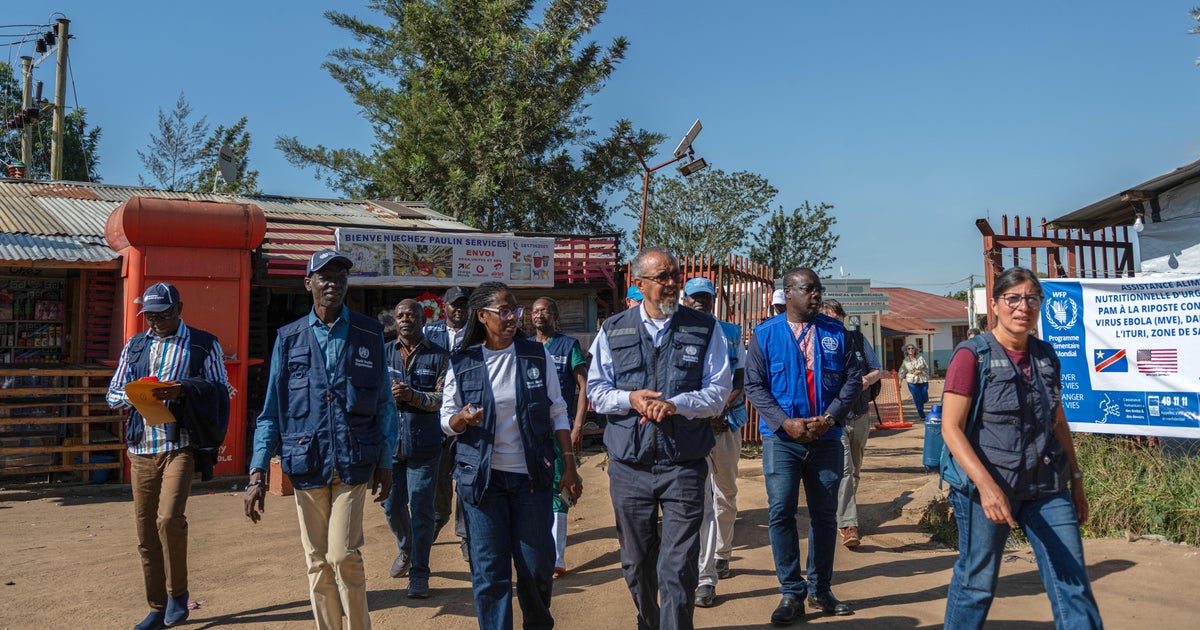
Brazilian health authorities activated safety protocols after two people were monitored as possible Ebola cases: a 37‑year‑old man from the Democratic Republic of the Congo in São Paulo (initial tests did not detect Ebola; he remains isolated and monitored) and a man from Uganda in Rio de Janeiro (who tested positive for malaria and remains under investigation). São Paulo officials said the technical assessment indicates the risk of introduction into Brazil and South America remains very low. The World Health Organization reported five recoveries from the Bundibugyo virus in eastern Congo and noted ongoing efforts on vaccines and treatments. In Congo and neighboring Uganda the WHO reported at least 906 suspected cases and 223 deaths among suspected cases, with 134 confirmed cases and 18 confirmed deaths; Uganda has confirmed nine cases and one death. Doctors Without Borders warned the virus is spreading faster than the response and called for expanded testing, faster deployment of aid workers and sustained medical access. Response efforts have been complicated by community distrust—partly due to burial practices—and by violence from rebel groups and militias in affected provinces. A new treatment center opened in Bunia, Ituri province, where officials emphasized hope and the possibility of recovery with supportive care.
Biblical Reflection
This report mixes sober public‑health measures with elements that can easily stir fear: foreign origins, a 'deadly virus,' and suspected cases far from the outbreak's center. The factual center of the story—monitoring, isolation, testing, and low assessed risk for Brazil—points to prudence rather than panic. From a Christian perspective, truth demands accurate distinction between confirmed facts and suspicion; mercy calls us to care for the sick and to support health workers who risk their lives. The article highlights two deeper moral issues: the importance of culturally sensitive community engagement (so public‑health measures do not alienate those they intend to protect) and the compounded harm when conflict obstructs relief. Christians should be wary of narratives that exoticize suffering or fuel xenophobia toward travelers and migrants. Instead, the faithful response is to seek and share truthful information, pray and provide practical support through trusted humanitarian channels, and advocate for just, peaceful access to care for those in conflict‑affected regions.
Scripture in context
This outlook does not yet include contextual Scripture citations. Do not treat a general biblical theme as an exegetical conclusion.
Faithful Response
No prescribed response is offered. Consider the reflection prompts below in your own church context.
Reflection and Discussion
- 1How does reporting that emphasizes 'possible' cases in distant countries shape our response, and does that emphasis help or hinder compassionate, rational care?
- 2Where in this crisis do power, culture, and conflict intersect to block healing, and how should Christians weigh calling for justice alongside offering care?
- 3Are we allowing fear of disease to harden our hearts toward migrants, health workers, or people in conflict zones rather than prompting prayerful aid?
Sources
Reporting links are evidence inputs; Sanctuary News' biblical reflection is commentary.
This outlook currently relies on fewer than two linked sources. Broaden verification before teaching from it.
- 1.Original reportprimary