Border Patrol Chief Gregory Bovino to Retire After High-Profile City Immigration Operations
Read original source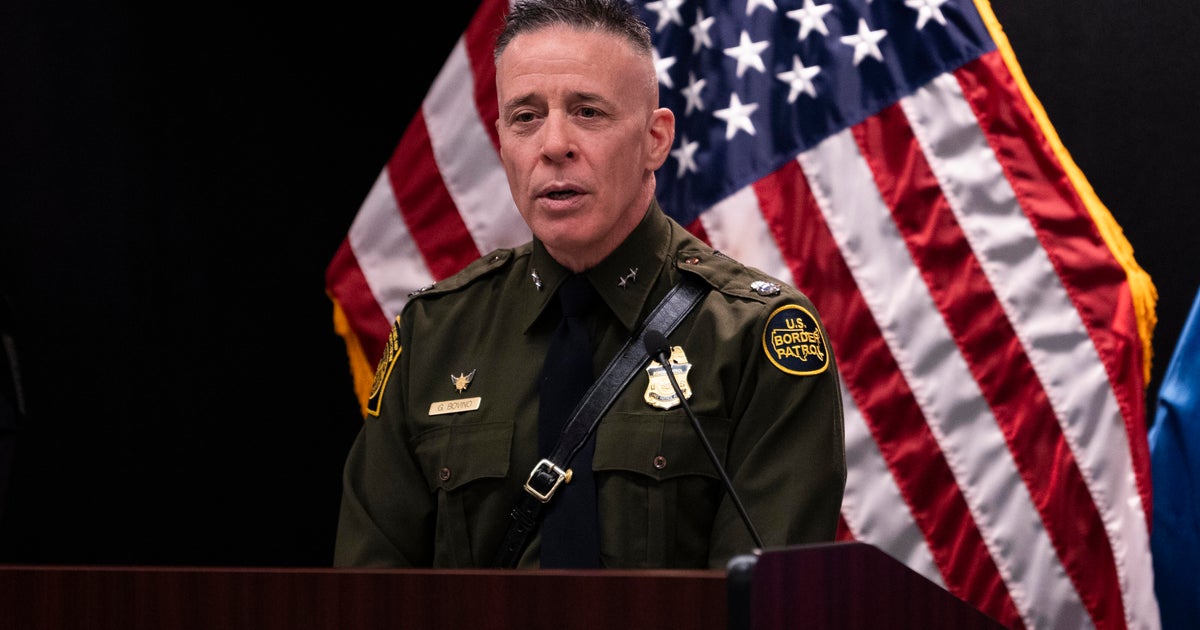
Scriptural Outlook
Gregory Bovino, a longtime Border Patrol official who served as chief patrol agent in the El Centro sector, is set to retire from federal service at the end of March, sources tell CBS News. Bovino became a prominent public face of the Trump administration’s aggressive immigration enforcement after being deployed to major U.S. cities — including Los Angeles, Chicago, Charlotte, New Orleans and Minneapolis — to oversee large-scale arrest operations. Those deployments drew local outcry and scrutiny amid reports and video of agents stopping people to ask about immigration status. Bovino was removed from his role in late January after the fatal shootings of U.S. citizens Renee Good and Alex Pretti in Minneapolis and the subsequent political backlash. In the aftermath, Bovino publicly asserted, without presenting evidence, that Pretti intended to “massacre” federal agents. The Department of Homeland Security says Bovino has not formally filed retirement paperwork, but sources say he informed colleagues he plans to retire at month’s end. The report also notes recent personnel changes at the top of DHS: President Trump named Sen. Markwayne Mullin to replace Homeland Security Secretary Kristi Noem, who had empowered Bovino and faced criticism for her handling of the Minneapolis operation.
This story raises pastoral and moral questions about power, truthfulness, and the responsibilities of leaders. Scripture repeatedly calls leaders to pursue justice, protect the vulnerable, and act with humility (Micah 6:8). When officials are sent into communities with tactics that cause fear, appear indiscriminate, or rely on unverified public claims, several biblical concerns apply: the call to speak truth rather than foment suspicion (Ephesians 4:25), the command to love neighbors — including strangers — and to treat every person with dignity (Leviticus 19:18; Matthew 25:35–40), and the need for leaders to be accountable for actions that harm others (Romans 13 emphasizes legitimate authority exercised for good). The episode also shows the danger of rhetoric that presumes guilt without evidence; Proverbs warns against hasty accusations and calls for careful discernment (Proverbs 18:13). Christians should neither romanticize lawlessness nor excuse heavy-handed tactics that undermine trust, harm innocent people, or escalate communal fear. The faithful response includes advocating for just and transparent enforcement, praying for repentance and reform where abuses occurred, seeking healing for victims and communities, and holding leaders to standards of truth, mercy, and humility."Micah 6:8 (ESV) — “He has told you, O man, what is good; and what does the LORD require of you but to do justice, and to love kindness, and to walk humbly with your God?”"