News Summary
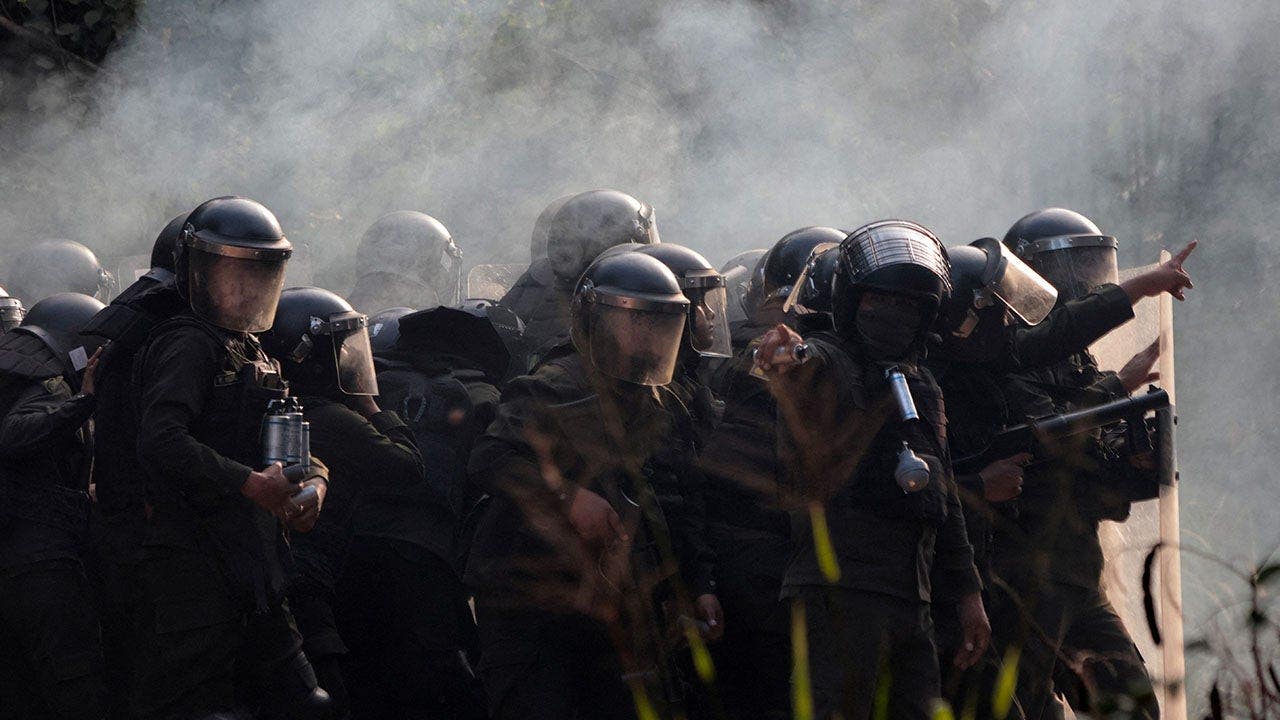
Bolivia declared a state of emergency (state of exception) on June 20, 2026 after roughly 50 days of nationwide blockades and protests that disrupted transportation and access to food, fuel, and medicines. The blockades, led in part by supporters of former president Evo Morales and his Movement Toward Socialism (MAS), caused significant economic losses and business closures according to local analysts cited in the article. President Rodrigo Paz’s government said the measure was a constitutional last resort to restore freedom of movement and protect critical infrastructure. The U.S. (referred to as the Trump administration in the article) publicly backed Paz’s decision, condemned attempts to overthrow the government, increased emergency humanitarian assistance, and praised the end of blockades. Bolivian officials and analysts warned of economic strain, potential IMF negotiations involving financing and possible currency adjustments, and noted the strategic importance of Bolivia’s lithium resources amid broader geopolitical competition for influence in Latin America.
Biblical Reflection
The article reports a real and serious political and humanitarian crisis — large‑scale protest action, economic disruption, and a government use of emergency powers that have concrete consequences for ordinary people. The framing emphasizes support for the elected government and highlights U.S. strategic and economic interests (notably lithium), which is factually relevant but narrows the story toward geopolitical competition and order‑restoring measures. From a Christian pastoral perspective, several concerns deserve attention: truth — whether all voices (including rural, indigenous, and protester grievances) are equally represented; mercy — the human cost of shortages and business closures falls disproportionately on vulnerable people; humility — external powers backing one side risk overlooking local agency and legitimate grievances; and justice — emergency measures must be scrutinized to ensure they protect life and rights rather than silence dissent. Christians should be wary of narratives that simplify complex political movements into good vs. evil or exclusively through the lens of resource geopolitics. The call is to seek both peace and justice: pray for stability that upholds human dignity, listen to marginalized voices, and support solutions that address underlying socioeconomic grievances, not only short‑term order or strategic advantage.
Scripture in context
This outlook does not yet include contextual Scripture citations. Do not treat a general biblical theme as an exegetical conclusion.
Faithful Response
No prescribed response is offered. Consider the reflection prompts below in your own church context.
Reflection and Discussion
- 1Whose perspectives are missing or underrepresented in this coverage — particularly rural, indigenous, and protester voices?
- 2Are emergency powers being used primarily to protect civilians and infrastructure, or to suppress legitimate political dissent?
- 3How does framing the crisis around strategic resources (like lithium) shape foreign responses and local policy choices?
Sources
Reporting links are evidence inputs; Sanctuary News' biblical reflection is commentary.
This outlook currently relies on fewer than two linked sources. Broaden verification before teaching from it.
- 1.Original reportprimary