News Summary
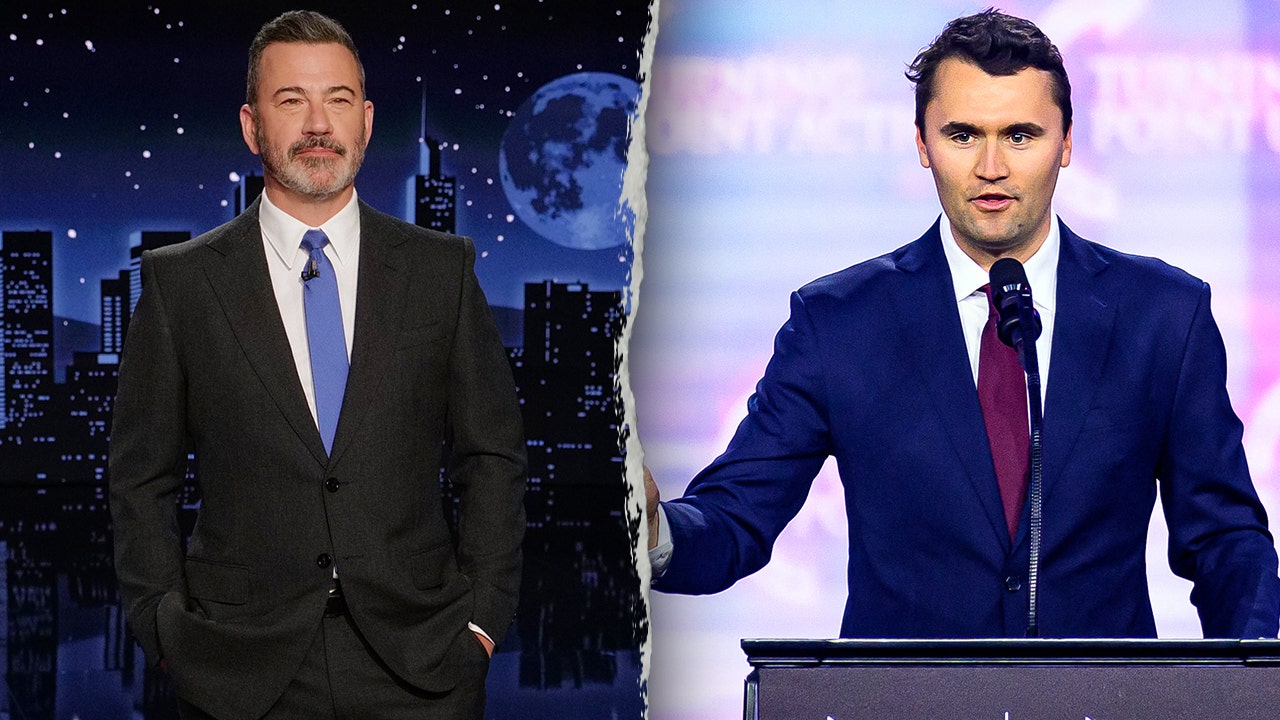
Former Disney CEO Bob Iger told the Financial Times that Disney's temporary removal of Jimmy Kimmel's show followed comments Kimmel made in September about the assassination of conservative activist Charlie Kirk and was not intended to appease the Trump administration. Iger said Disney considered Kimmel’s remarks "in bad taste" and asked him to acknowledge they were ill‑timed and inappropriate. Kimmel had suggested the suspected assassin was part of the "MAGA gang." He was suspended from Sept. 17–22, 2025; he later said his comments were mischaracterized and described the suspension as a chance to reflect. The article also notes White House officials and spokesperson Karoline Leavitt criticized media and some Democratic rhetoric as contributing to a climate that radicalizes unstable people, and that Fox News sought comment from Kimmel.
Biblical Reflection
This story sits at the intersection of corporate ethics, media responsibility, and politicized speech. Corporations like Disney must weigh free expression against brand standards and public safety concerns; Iger’s account frames the suspension as a judgment about taste and timing rather than political capitulation. The article, published by a partisan outlet, highlights criticisms from the White House and conservative figures that link media rhetoric to political violence—an attribution that requires careful evidence rather than rhetorical assertion. Christians should press for truthful, proportional causation: condemn speech that dehumanizes or inflames, but also avoid simplistic blame that turns complex social problems into partisan ammunition. Practically, the piece exposes how polarized framing can obscure responsibilities shared by public figures, media platforms, and civic leaders to speak and act in ways that protect neighbors and cultivate peace.
Scripture in context
This outlook does not yet include contextual Scripture citations. Do not treat a general biblical theme as an exegetical conclusion.
Faithful Response
No prescribed response is offered. Consider the reflection prompts below in your own church context.
Reflection and Discussion
- 1Are we accepting claims that certain rhetoric 'radicalizes' people without demanding clear evidence, or are we letting partisan narratives shortcut careful judgment?
- 2How should media companies balance free expression with the moral obligation to avoid speech that may dehumanize or escalate hostility?
- 3When public figures are disciplined for speech, are we assessing the action by consistent standards or through partisan lenses that excuse allies and condemn opponents?
Sources
Reporting links are evidence inputs; Sanctuary News' biblical reflection is commentary.
This outlook currently relies on fewer than two linked sources. Broaden verification before teaching from it.
- 1.Original reportprimary