News Summary
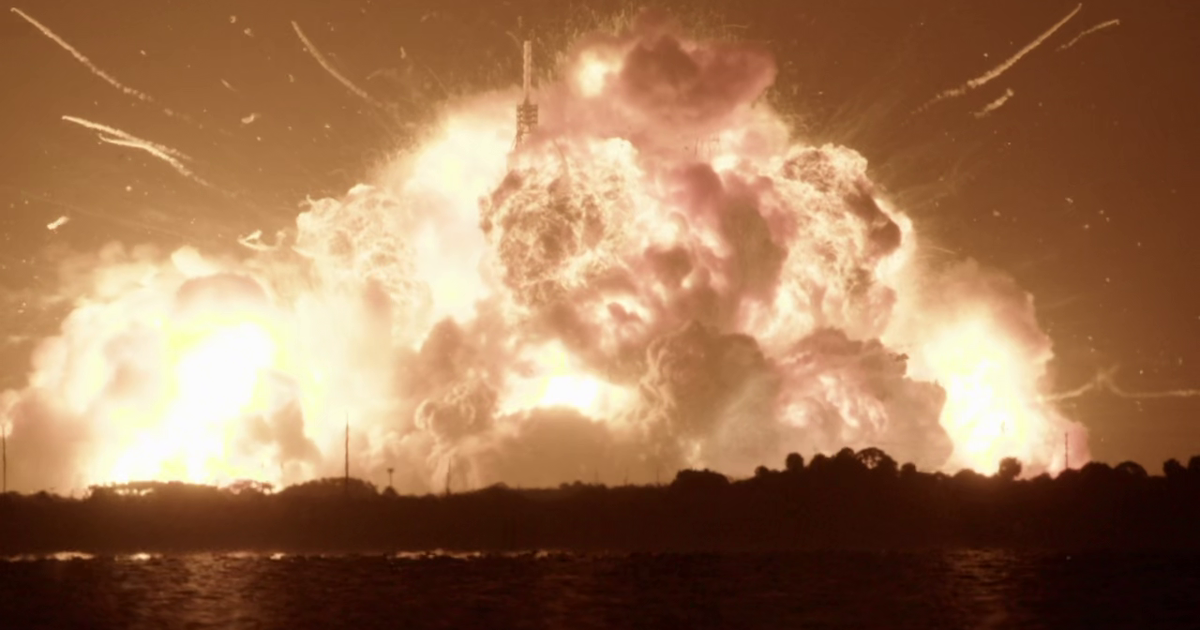
During a planned hot-fire test of the New Glenn rocket's seven BE-4 first-stage engines at Cape Canaveral Space Force Station, the Blue Origin vehicle caught fire and exploded on the pad. The test occurred around 9 p.m. EDT as engineers were counting down. Video showed the first stage enveloped in fire, subsequent tilting of the upper stage, and a large explosion as methane and liquid oxygen ignited. The rocket and pad infrastructure were heavily damaged; news footage later showed multiple fires and significant structural loss, including parts of the erector-gantry and one lightning tower. No personnel were injured and all personnel were accounted for, Blue Origin and the U.S. Space Force Eastern Range said. The Amazon Leo satellites that had been scheduled for an upcoming New Glenn launch were not on the vehicle for this hot-fire test. Blue Origin and range officials said they are reviewing telemetry and video to determine the anomaly's cause. Blue Origin said it will investigate and rebuild as needed. The article notes past New Glenn flights (three prior launches) and a recent April upper-stage malfunction; the FAA had cleared New Glenn to resume flights after reviewing Blue Origin's earlier failure analysis. The incident may affect Blue Origin's planned June launch cadence and related NASA plans that include New Glenn as part of Artemis-related activities; NASA said it will assess impacts as the investigation proceeds. Elon Musk posted a brief message of support to Blue Origin after the event.
Biblical Reflection
The article reports a high-risk technological failure with factual detail and official statements; its immediate aim is to inform. The coverage includes some dramatic language about the visual spectacle, and it highlights the commercial rivalry in the launch market by referencing SpaceX and Elon Musk. Christians should notice two things: first, the factual dimensions — no injuries, satellites were not aboard, and an investigation is underway — counsel patience before drawing conclusions. Second, the episode exposes common modern commitments: large private capital, competition for commercial markets (internet constellations), and partnerships with public agencies (FAA, U.S. Space Force, NASA). Those realities carry both blessing (innovation, expanded services) and risk (public resources, human safety, environmental and ethical trade-offs). Theologically, technological failure is a reminder of human finitude and the need for humility, careful stewardship, and truthful reporting. Avoiding schadenfreude or partisan triumphalism honors neighbor-love; pressing for transparent investigation and accountability pursues truth and justice. The article does not appear to advance harmful falsehoods, but readers should be wary of framing that privileges spectacle or rivalry over the human and ethical dimensions of the event.
Scripture in context
This outlook does not yet include contextual Scripture citations. Do not treat a general biblical theme as an exegetical conclusion.
Faithful Response
No prescribed response is offered. Consider the reflection prompts below in your own church context.
Reflection and Discussion
- 1Does the coverage prioritize spectacle and rivalry over careful explanation and the human consequences of the failure?
- 2Who bears the costs and risks of commercial space ventures, and how should Christians weigh innovation against stewardship of public resources and safety?
- 3In the absence of a confirmed cause, how can we resist quick judgments and instead pray for patient, transparent investigation?
Sources
Reporting links are evidence inputs; Sanctuary News' biblical reflection is commentary.
This outlook currently relies on fewer than two linked sources. Broaden verification before teaching from it.
- 1.Original reportprimary