News Summary
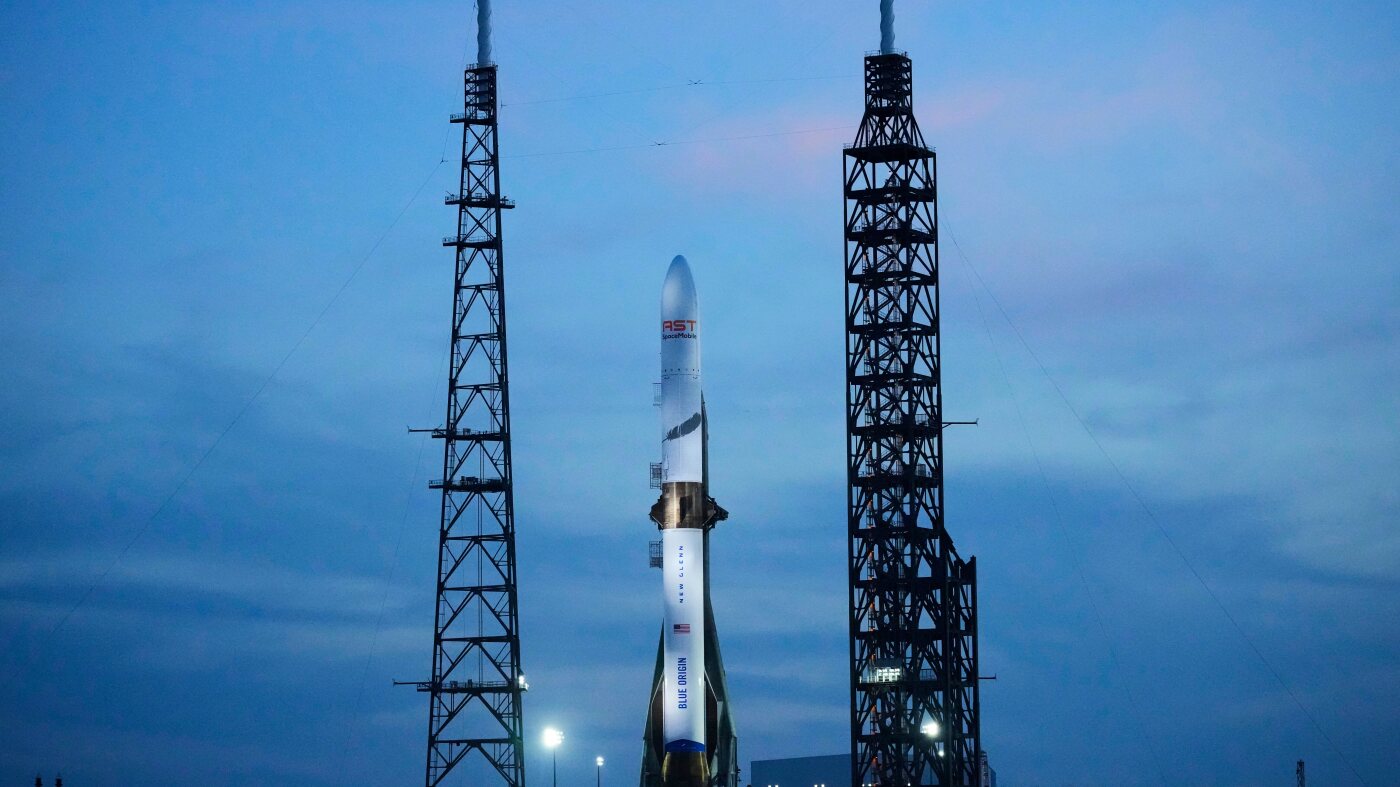
On the night of Thursday, May 28, 2026, around 9:00 p.m., a Blue Origin New Glenn rocket exploded at Launch Complex 36 of Cape Canaveral Space Force Station during an engine-firing test. The test was being conducted ahead of a scheduled satellite launch planned for the following week carrying Amazon Leo constellation satellites. No injuries were reported. Residents in nearby Cape Canaveral and Cocoa Beach reported shaking homes and photographed an orange fireball. Emergency crews remained on scene for over an hour; officials said there was no ongoing threat from fumes or other hazards. Blue Origin said it was too early to know the root cause and that it would investigate and rebuild as necessary; Jeff Bezos posted comments about the incident on X. The New Glenn had earlier been grounded after a prior flight left a satellite in the wrong orbit because of an engine failure; this was the rocket's third flight. The article also quoted a statement attributed to NASA’s administrator promising to provide information about any impacts to NASA’s Artemis program and noted that Space Force officials said the explosion would not affect other companies' upcoming launches from other pads. United Launch Alliance planned an Atlas V launch with Amazon Leo satellites the following night. SpaceX CEO Elon Musk expressed condolences via X. The New Glenn system debuted in 2025 and stands about 321 feet (98 meters) tall.
Biblical Reflection
The article reports a technical accident with no reported injuries and with potential programmatic consequences. The coverage is largely factual and focuses on immediate safety, investigation, and program impacts. Two prudential points for Christian readers: first, technological progress—especially in high-risk fields like rocketry—requires both courage and careful stewardship. Praise for innovation should be tempered by insistence on transparency, accountability, and public safety. Second, the piece shows how quickly public attention and emotion (fear, curiosity, spectacle) can attach to high-profile leaders and companies; Christians are called to discernment, avoiding uncritical hero-worship while praying for those harmed and for those who work to make such ventures safer. Note: the article attributes a comment to "NASA Administrator Jared Isaacman"; readers should verify institutional titles and attributions in fast-moving reports, because misidentifications can spread confusion and undermine trust. Overall, the story invites a sober balance of truth-telling, compassion for neighbors affected, and realistic humility about the risks of progress.
Scripture in context
This outlook does not yet include contextual Scripture citations. Do not treat a general biblical theme as an exegetical conclusion.
Faithful Response
No prescribed response is offered. Consider the reflection prompts below in your own church context.
Reflection and Discussion
- 1When a public technology fails, whose voices get centered—engineers, corporate leaders, regulators, or affected neighbors—and what does that reveal about our priorities?
- 2Are we quick to celebrate breakthrough leaders while overlooking the need for independent oversight, transparency, and care for those who live near high-risk operations?
Sources
Reporting links are evidence inputs; Sanctuary News' biblical reflection is commentary.
This outlook currently relies on fewer than two linked sources. Broaden verification before teaching from it.
- 1.Original reportprimary