News Summary
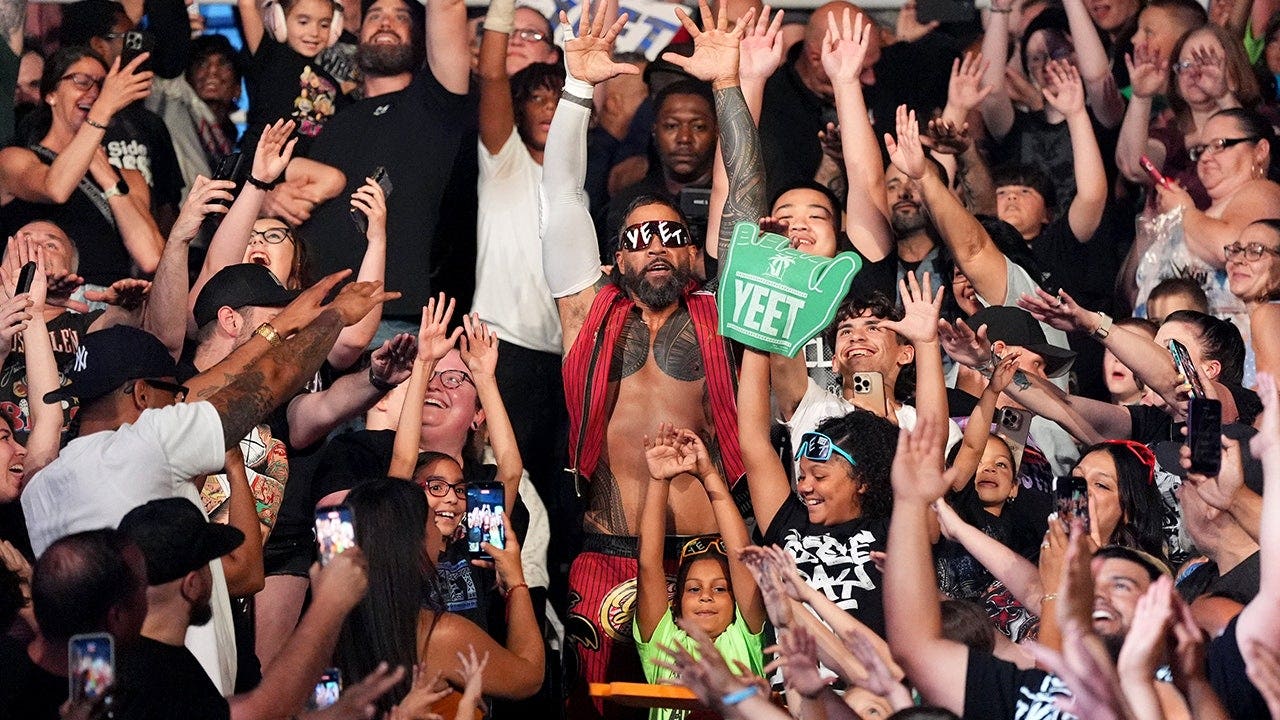
On the June 12, 2026 episode of WWE SmackDown in Providence, Rhode Island, Jacob Fatu appeared backstage delivering a message from Roman Reigns to Solo Sikoa, prompting a verbal confrontation between Fatu and Sikoa. Cody Rhodes spoke with Jey Uso prior to Uso's King of the Ring match. Jey Uso defeated LA Knight, Royce Keys and Finn Balor in a four-way match to advance in the King of the Ring tournament. Sami Zayn and Undisputed WWE Champion Cody Rhodes exchanged heated words in the ring; Zayn slapped Rhodes and Rhodes then slapped Zayn in response. Gunther met with SmackDown General Manager Nick Aldis and secured a rematch clause that allows him to select match conditions; he named Sami Zayn as the special guest referee for his upcoming rematch with Rhodes. Rhea Ripley’s knee injury from the prior event in Italy was reported as under evaluation, and Charlotte Flair advanced in the Queen of the Ring semifinals. The show also included additional match results: Paige and Brie Bella defeated Fallon Henley and Lainey Reid; Rey Fenix retained the AAA Cruiserweight Championship over Axiom; Michin and B-Fab defeated Tiffany Stratton and Chelsea Green; and other tournament pairings were set for upcoming events.
Biblical Reflection
This article reports scripted professional wrestling storylines and results; its primary aim is to describe on-screen plot developments and match outcomes, not to adjudicate real-life behavior. The narrative emphasizes power, loyalty, humiliation, and revenge within The Bloodline storyline and highlights confrontations that blur conflict and performance. From a Christian pastoral perspective, wrestling is a form of entertainment that can mirror real human issues—pride, loyalty, betrayal, and the desire for honor—but it is important to distinguish theatrical storytelling from real ethical choices. The storylines elevate domination, public shaming, and physical retaliation as dramatic devices; Christians should be cautious about uncritically embracing narratives that celebrate humiliation or promote revenge as virtue. At the same time, these plots can open conversations about repentance, reconciliation, and the cost of pride. Reportage here is largely descriptive and sensationalizes interpersonal drama because that sells attention; it does not attempt balanced moral evaluation of the performers’ private lives. Viewers can appreciate athletic skill and storytelling while practicing discernment—preferring humility, truth, and mercy in real relationships and offering grace toward performers who risk physical injury for their craft.
Scripture in context
This outlook does not yet include contextual Scripture citations. Do not treat a general biblical theme as an exegetical conclusion.
Faithful Response
No prescribed response is offered. Consider the reflection prompts below in your own church context.
Reflection and Discussion
- 1How does knowing a storyline is scripted change the way I respond emotionally to public displays of humiliation and revenge?
- 2Are there ways the themes celebrated in this entertainment (power, loyalty enforced by intimidation) conflict with Christian understandings of servant leadership and love for neighbor?
- 3When performers are hurt or risk injury for drama, how should our sympathy and support reflect the difference between fiction and real well‑being?
Sources
Reporting links are evidence inputs; Sanctuary News' biblical reflection is commentary.
This outlook currently relies on fewer than two linked sources. Broaden verification before teaching from it.
- 1.Original reportprimary