News Summary
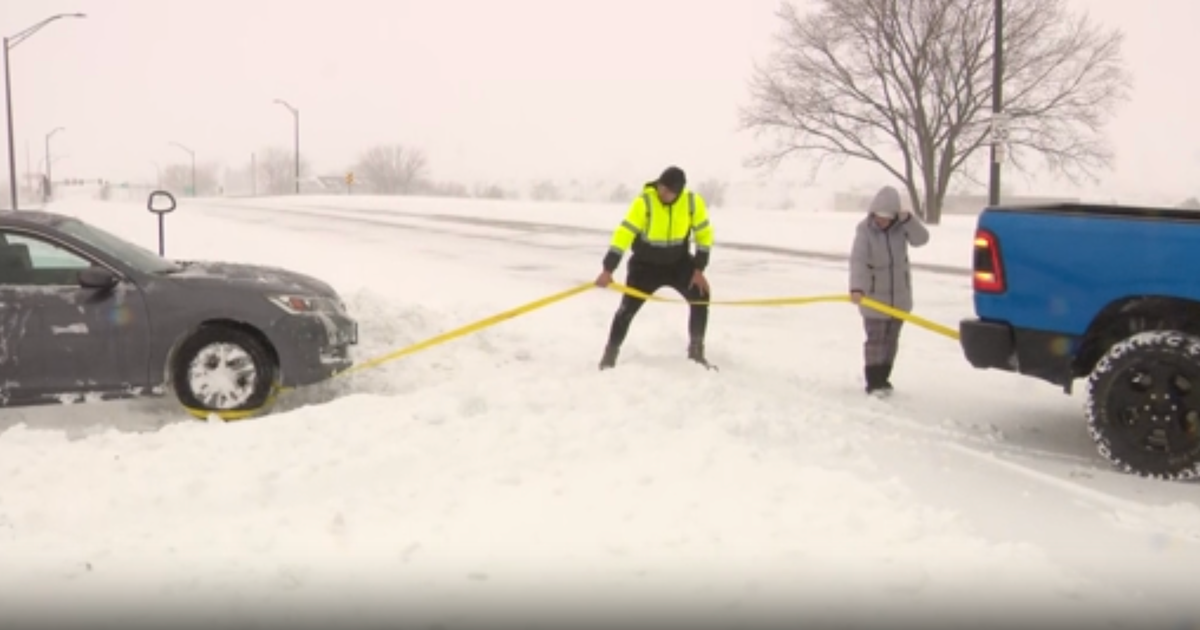
A powerful, rapidly intensifying storm system is producing blizzard conditions across the Northern Plains and Upper Great Lakes, with more than 11.5 million people under blizzard warnings and heavy snowfall (over 20 inches in some areas). Winter-storm-related travel disruptions include hundreds of flight cancellations at Minneapolis-Saint Paul and Detroit airports and no-travel advisories in parts of Minnesota; the Minnesota governor has authorized the National Guard to assist. The storm's cold front is also triggering severe thunderstorms, an enhanced risk of damaging winds, hail, flash flooding and possible tornadoes across the Midwest, Mid-South and into the Mid-Atlantic and East Coast. Simultaneously, the western U.S. faces an unusually early heat wave driven by a strong high-pressure ridge, with record highs possible in Southern California, the Desert Southwest and Great Basin, raising wildfire danger. Nebraska deployed National Guard members to fight major wildfires that have burned over 900 square miles and caused at least one fatality. Heavy rain and flash flooding have impacted parts of Hawaii, flooding farmland and homes, causing power outages and prompting rescues and shelter openings. Overall, tens of millions of Americans are under various weather watches and warnings as authorities warn of life-threatening travel conditions and other hazards.
Biblical Reflection
From a biblical perspective this story highlights two truths: the power of creation and our responsibility to one another. Scripture reminds us that the created world is both beautiful and sometimes dangerous (Job 38–41; Psalm 104), so storms and extremes are not surprising in a fallen world. The immediate spiritual temperature of this news is a call to compassion and practical service rather than fear or blame. Christians are called to bear one another’s burdens (Galatians 6:2), to shelter the vulnerable (Isaiah 58:6–7), and to use wisdom in preparing for foreseeable dangers (Proverbs 27:12). The deployment of National Guard units, canceling of travel, and opening of shelters are examples of prudent stewardship and neighborly care; such actions align with biblical calls to protect and serve the community. At the same time, the scale of simultaneous extremes (blizzards, severe storms, early heat and wildfire risk, and flooding) should humble us: we are not ultimately in control, and we must resist prideful or sensational responses. The faithful response is prayer, practical aid, wise preparation, advocacy for effective emergency resources, and ongoing care for those who suffer loss. Christians should also resist politicizing every weather event and instead focus on mercy, rebuilding, and preventing harm where reasonable. Finally, this news reminds believers to trust God’s sovereignty while actively loving neighbors in tangible ways.
Scripture in context
This outlook does not yet include contextual Scripture citations. Do not treat a general biblical theme as an exegetical conclusion.
Faithful Response
No prescribed response is offered. Consider the reflection prompts below in your own church context.
Reflection and Discussion
- 1Who in my community is vulnerable to travel, weather, or utility disruptions right now, and how can I practically help?
- 2How am I preparing my household and church to respond to sudden disasters with wisdom and compassion?
- 3Am I trusting God's care amid threats, and does my response show love rather than fear or cynicism?
Sources
Reporting links are evidence inputs; Sanctuary News' biblical reflection is commentary.
This outlook currently relies on fewer than two linked sources. Broaden verification before teaching from it.
- 1.Original reportprimary