News Summary
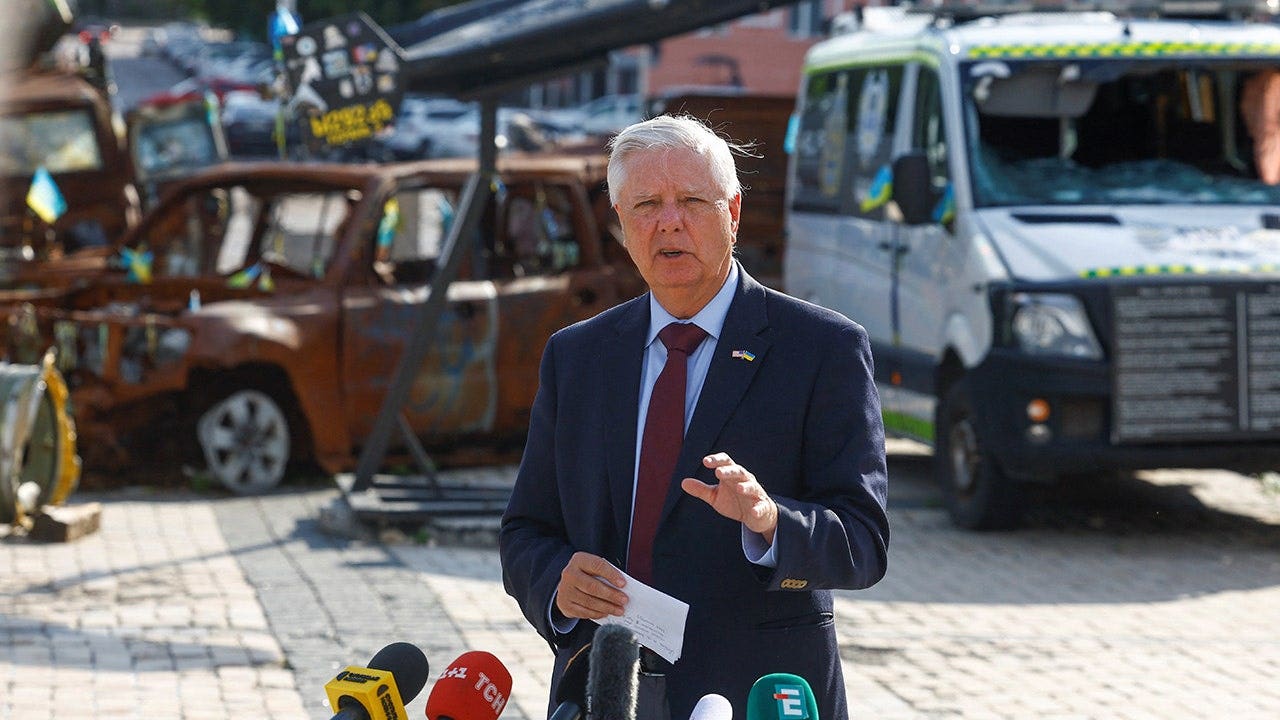
A bipartisan group of more than a dozen U.S. senators on Tuesday unveiled the Sanctioning Russia Act of 2026, a package developed over roughly a year and a half that seeks to increase pressure on Russia over the war in Ukraine. Core provisions include direct sanctions on President Vladimir Putin, Russian officials and military leaders; tariffs of up to 500% on Russian imports; tariffs up to 100% on countries that buy Russian energy; expanded sanctions on vessels and tankers of Russia’s so-called ‘shadow fleet’; and a ‘‘national interest certification’’ tied to presidential waiver authority. Sponsors said the package has broad buy-in in the Senate and that the White House signaled support hours before Sen. Lindsey Graham’s sudden death. Sen. Richard Blumenthal and others framed the bill as a major achievement and part of Graham’s legacy; Sen. Darline Graham was sworn in as senator the same day. Senate leaders cautioned the bill could still be affected by other political fights, changes in the House, or attachments to must-pass legislation.
Biblical Reflection
The article reports a significant legislative effort to pressure Russia, framed as both bipartisan and closely tied to the late Sen. Lindsey Graham’s work. As Christian readers, note two truths: first, applying pressure on actors who wage war can be a legitimate pursuit of justice and protection for the vulnerable; second, policy choices almost always carry unintended consequences—economic harm to civilians, diplomatic strain with other countries, and increased geopolitical risk. The reporting leans toward celebration of the bill and Graham’s legacy, using enthusiastic quotes and anonymous sourcing for broad buy-in claims; treat such assertions with caution. Christians should weigh the moral clarity of opposing aggression with humility about means and effects, insisting on truthful reporting of likely outcomes, transparency in policy trade-offs, and compassionate concern for those—both Ukrainian civilians and foreign populations—who may suffer from economic shock. Finally, beware of turning political achievements into secular idols; honor faithful public service while keeping ultimate trust centered on God rather than national success.
Scripture in context
This outlook does not yet include contextual Scripture citations. Do not treat a general biblical theme as an exegetical conclusion.
Faithful Response
No prescribed response is offered. Consider the reflection prompts below in your own church context.
Reflection and Discussion
- 1Whose costs and whose safety are centered in the policy framing—are the likely human and economic consequences for civilians clearly acknowledged?
- 2Does the article elevate a political legacy in a way that could obscure sober assessment of the bill’s likely effectiveness and risks?
- 3Are anonymous or celebratory sources being treated as decisive evidence of broad support rather than as one perspective among many?
Sources
Reporting links are evidence inputs; Sanctuary News' biblical reflection is commentary.
This outlook currently relies on fewer than two linked sources. Broaden verification before teaching from it.
- 1.Original reportprimary