News Summary
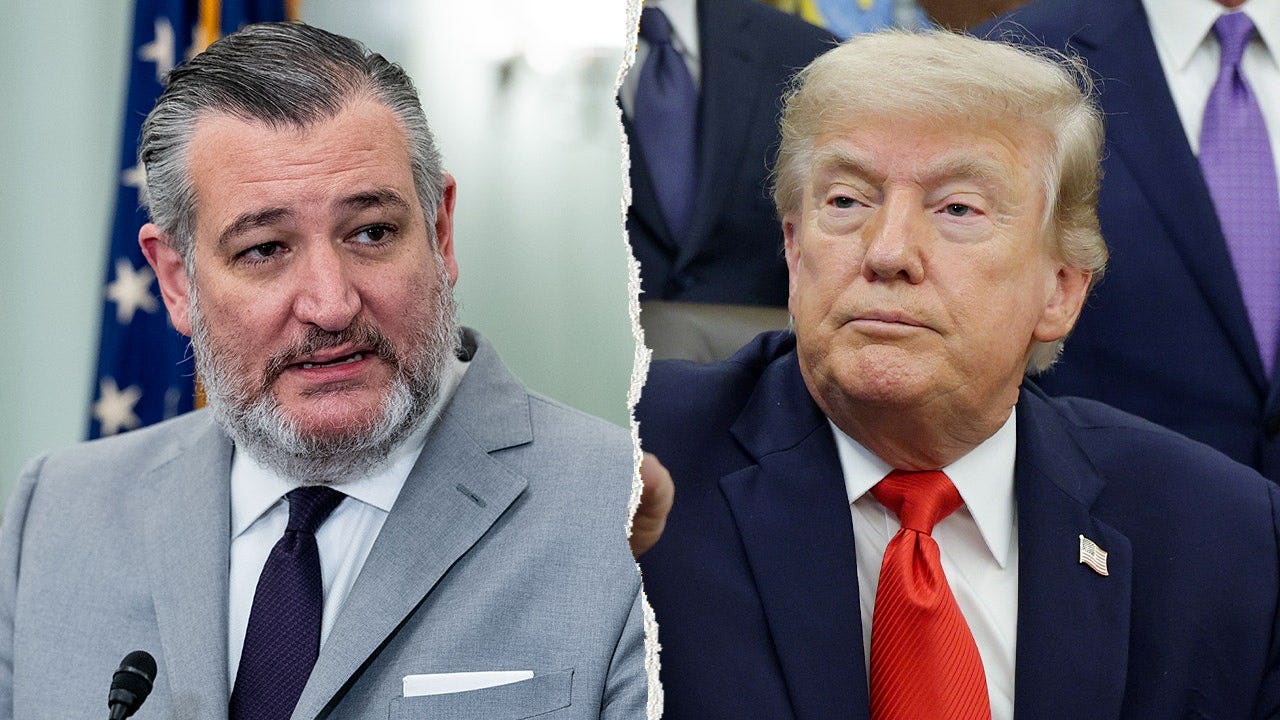
President Donald Trump signed a memorandum of understanding (MOU) with Iran that, according to reporting, provides for immediate sanctions relief including waivers on Iranian oil exports and access to frozen funds, and establishes a framework for more than $300 billion in reconstruction and economic development over time along with a 60-day negotiation period toward a final nuclear accord. A bipartisan group of U.S. senators reacted strongly, with several Republicans and Democrats questioning whether the MOU secures meaningful concessions from Iran. Senator Ted Cruz called giving Iran large sums of money “not a good idea” and said the president was receiving bad advice; Senator Adam Schiff said Iran would gain billions while giving up little; Senators Dick Durbin, Elizabeth Warren, Tim Kaine, and Mark Warner voiced similar concerns about the deal’s terms and whether it improves U.S. leverage compared with earlier agreements. Senator Rand Paul offered a brief supportive comment, saying “Peace is better than war.”
Biblical Reflection
From a Christian pastoral perspective, this story raises two honest and often-tensioned responsibilities: a hunger for peace and a duty to protect the vulnerable. The push for an agreement that ends hostilities and opens channels for reconstruction can reflect the biblical value of seeking peace, yet the Christian ethic also requires prudence, truthful assessment of risks, and care for those endangered by concessions to regimes with hostile records. The article primarily reports senators’ partisan reactions rather than independent analysis of the MOU text; that framing can amplify political rhetoric and dehumanizing language (e.g., labeling opponents “theocratic lunatics”), which undermines Christian witness of speaking truth in love. Christians should beware of letting political loyalties substitute for careful fact-checking: examine the actual terms, weigh short- and long-term consequences for civilians and regional stability, and hold leaders accountable with courage and humility. At the same time, avoid reflexive cynicism — the desire for peace is not inherently naive — but insist that peace be pursued with justice, transparency, and protection for innocents.
Scripture in context
This outlook does not yet include contextual Scripture citations. Do not treat a general biblical theme as an exegetical conclusion.
Faithful Response
No prescribed response is offered. Consider the reflection prompts below in your own church context.
Reflection and Discussion
- 1Is the coverage emphasizing partisan soundbites more than the MOU’s concrete terms and likely effects?
- 2Where does the reporting or rhetoric dehumanize political opponents or foreign actors, and how does that shape our moral response?
- 3Does this agreement, as described, prioritize durable safety and justice for vulnerable people, or short-term cessation of hostilities without sufficient safeguards?
Sources
Reporting links are evidence inputs; Sanctuary News' biblical reflection is commentary.
This outlook currently relies on fewer than two linked sources. Broaden verification before teaching from it.
- 1.Original reportprimary