News Summary
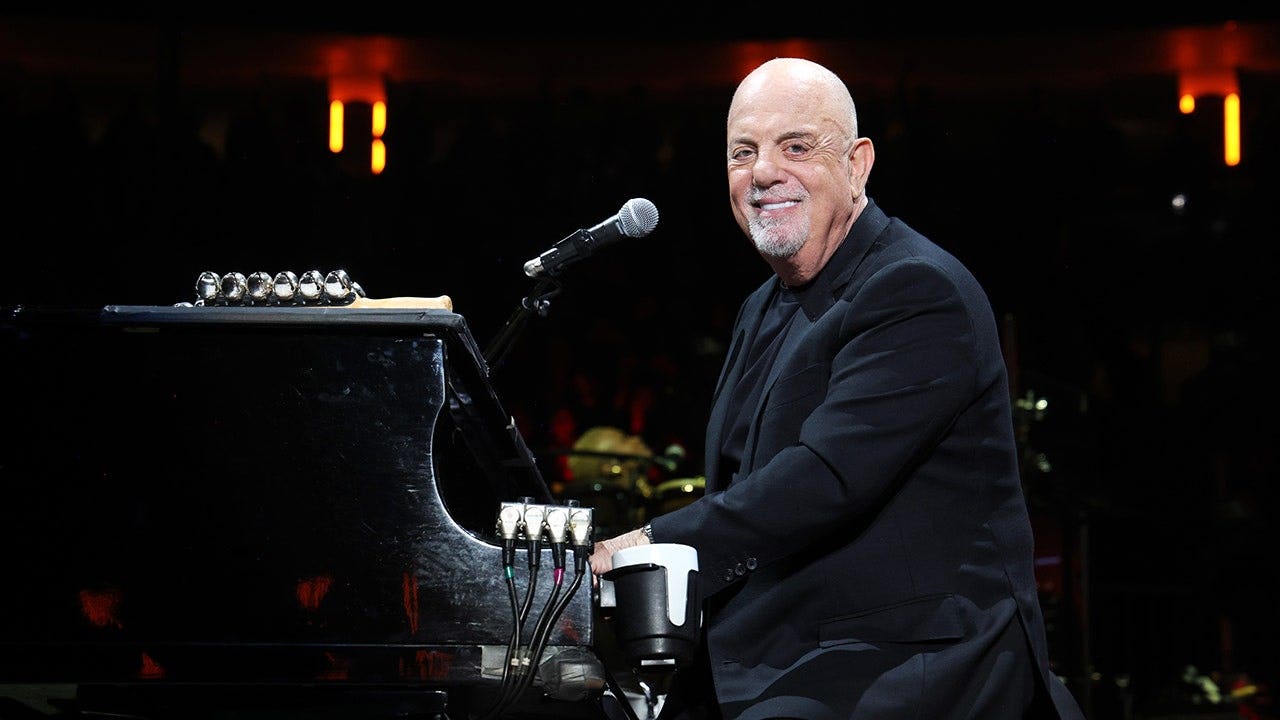
In a YouTube interview with producer Rick Beato, Billy Joel said he stopped writing pop/rock songs after his 1993 album River of Dreams because he felt he was finished, had family responsibilities, and did not want to 'dilute' his legacy by releasing work he believed would be inferior as he aged. Joel referenced the Beatles' 12 albums as a benchmark and said he preferred to stop at a high point rather than 'trail off.' He later recorded an album of classical piano pieces. The article notes Joel did not name other artists and frames his comments as a personal explanation for his decision to step back from songwriting.
Biblical Reflection
Joel's remarks reflect a sincere personal discernment about vocation, legacy, and artistic stewardship. From a Christian perspective, his choice to stop producing work he judged to be subpar can be seen as responsible stewardship of his gifts—refusing to continue for fame or habit and instead protecting the integrity of the work he offers the world. At the same time, the claim that aging artists 'dilute their legacy' is a generalization that risks judging others without full context; Christian charity calls us to humility and mercy toward those whose motivations or circumstances (financial need, renewed calling, different creative aims) differ. The article also participates in celebrity culture that equates identity with output; Scripture's rhythms of work and rest and the call to serve rather than self-promote offer a corrective. Finally, the piece lacks engagement with the wider reasons artists continue to create in later life, so readers should weigh Joel's personal conviction against the diversity of artistic callings and the Christian ethic of both faithful labor and gracious judgment.
Scripture in context
This outlook does not yet include contextual Scripture citations. Do not treat a general biblical theme as an exegetical conclusion.
Faithful Response
No prescribed response is offered. Consider the reflection prompts below in your own church context.
Reflection and Discussion
- 1What assumptions about worth and productivity underlie the claim that continued output 'dilutes' an artist's legacy?
- 2Whose perspectives are missing when a single celebrity's personal choice is presented as a general rule for others?
- 3How does a Christian view of vocation balance faithful use of gifts, seasons of rest, and mercy toward fellow workers?
Sources
Reporting links are evidence inputs; Sanctuary News' biblical reflection is commentary.
This outlook currently relies on fewer than two linked sources. Broaden verification before teaching from it.
- 1.Original reportprimary