News Summary
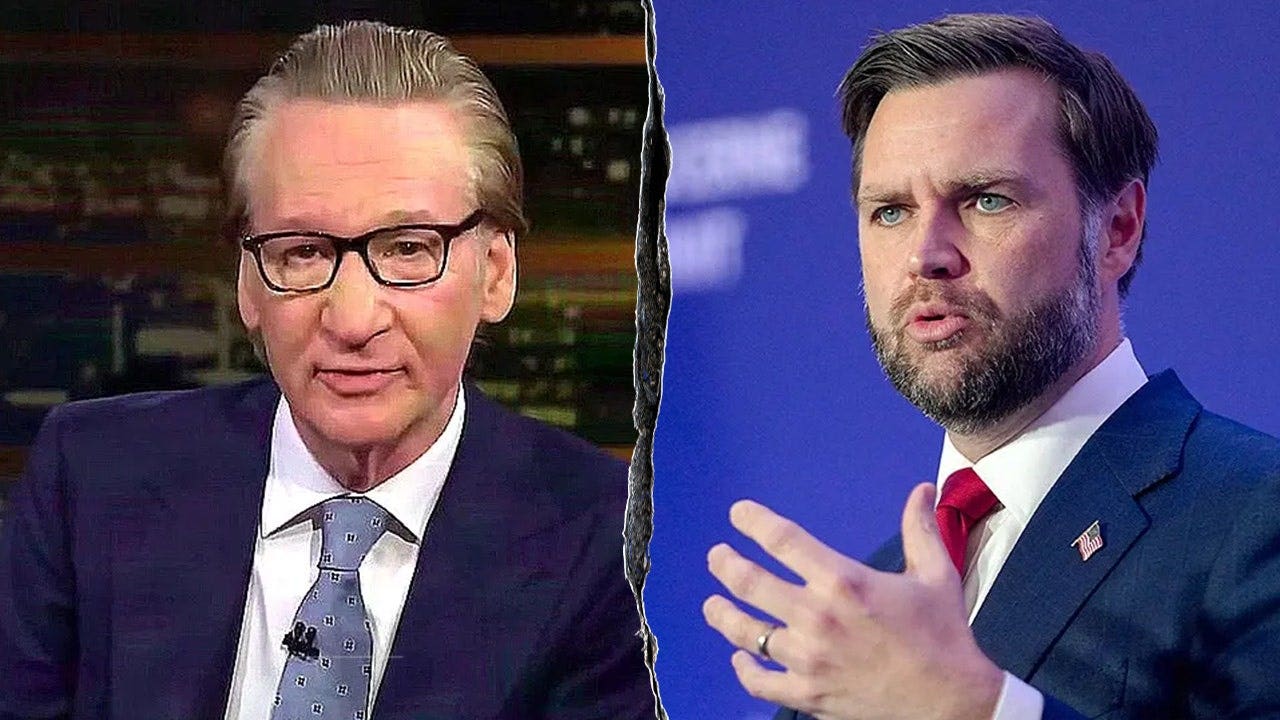
On a June episode of Real Time with Bill Maher, comedian Bill Maher told Vice President JD Vance that his vote could be "in play" for 2028 if the Democratic Party moves toward positions Maher described as hostile to Israel, anti-capitalist, and opposed to prisons. Maher said he has not voted strictly along party lines historically and would consider a Republican candidate if that party commits to accepting future election results rather than alleging fraud. Vance responded by asserting concerns about censorship by technology companies during recent elections. The interview included Maher's complaint that many prominent Democrats decline invitations to appear on his show. The article reports direct quotes and characterizes the exchange as a sparring discussion about party direction, election norms, and media access.
Biblical Reflection
The article is a straightforward report of a televised exchange: it records opinions and accusations from both participants but does not independently verify factual claims about party-wide beliefs, widespread "Jew-hating," or large-scale coordinated censorship. The piece frames political disagreement as a matter of personal voting calculus and highlights polarization in media access. From a Christian perspective, this story surfaces two concerns: the erosion of civic trust (over elections and institutions) and the temptation to reduce complex moral questions to partisan labels. Christians are called to seek truth, avoid slander, and pursue the common good; that requires testing public claims against evidence, resisting dehumanizing rhetoric, and holding leaders of every persuasion accountable for honesty and humility. The interview's rhetoric reflects a worldview of tribal politics — where loyalty and identity shape judgment more than careful discernment — and thus should prompt believers to model peacemaking, patient listening, and fidelity to facts rather than amplifying partisan anger.
Scripture in context
This outlook does not yet include contextual Scripture citations. Do not treat a general biblical theme as an exegetical conclusion.
Faithful Response
No prescribed response is offered. Consider the reflection prompts below in your own church context.
Reflection and Discussion
- 1Which claims in the exchange are matters of opinion and which can be checked against evidence, and will I seek that evidence before forming a view?
- 2How does rhetoric that paints whole groups as morally corrupt affect my ability to love my political neighbors and pursue justice?
- 3Am I more persuaded by media performance and identity signaling than by sober evaluation of policies and character?
Sources
Reporting links are evidence inputs; Sanctuary News' biblical reflection is commentary.
This outlook currently relies on fewer than two linked sources. Broaden verification before teaching from it.
- 1.Original reportprimary