News Summary
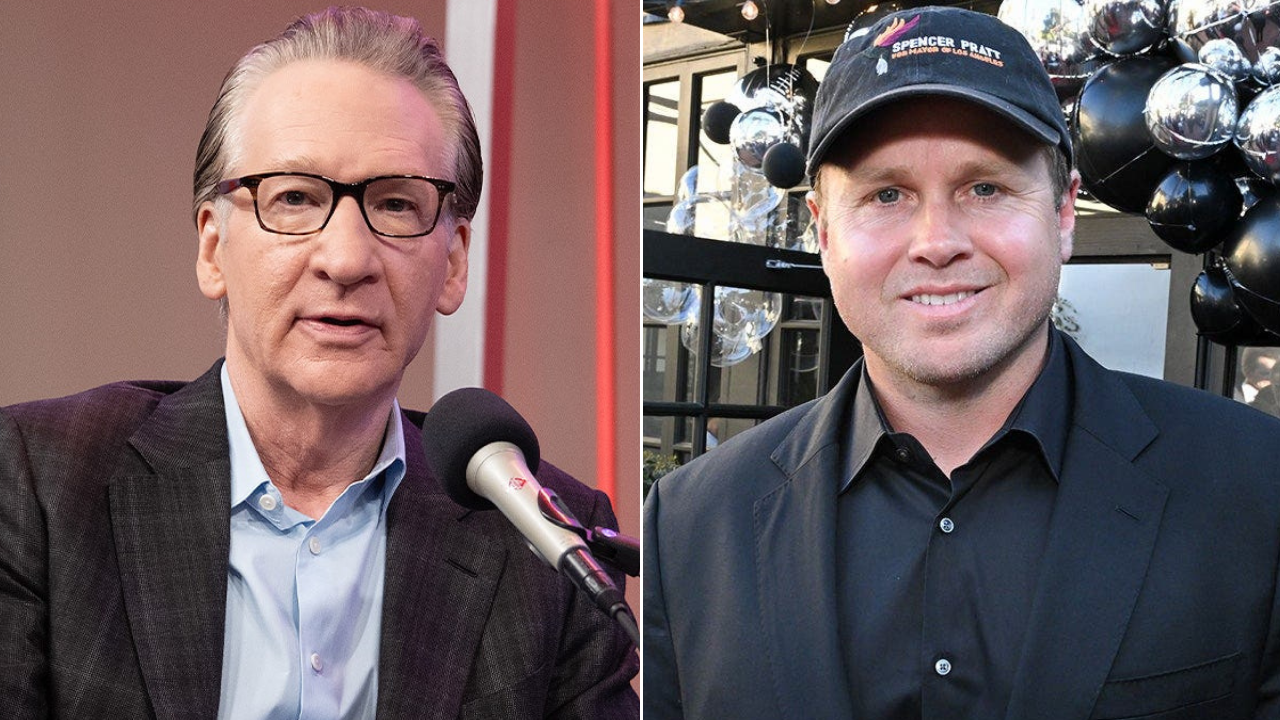
On an episode of Real Time with Bill Maher, Maher told former House Speaker Kevin McCarthy that after interviewing Republican Los Angeles mayoral candidate Spencer Pratt on his podcast he did not dislike Pratt and found him "very honest." Maher described Pratt as an outsider who appears to have few advisors and focuses on a limited set of issues. The discussion noted Pratt is running in the nonpartisan Los Angeles mayoral jungle primary against incumbent Mayor Karen Bass, City Councilmember Nithya Raman, and other minor candidates. A UC Berkeley–Los Angeles Times poll released the week before the June 2 primary showed Bass at 26%, Raman at 25%, and Pratt at 22% among likely voters. Campaign finance filings cited in the article report Pratt raised $2.72 million between April 19 and May 16; Bass raised about $283,000 and Raman about $401,000 in the same period. Pratt’s campaign says he entered politics after the 2025 Palisades fires destroyed his family home and lists emergency readiness, fiscal integrity, government reform, and public safety as priorities. The article also notes Maher jokingly referenced Pratt’s crystal-selling business. Fox News reached out to Pratt for comment; no immediate reply was reported.
Biblical Reflection
This article highlights two overlapping patterns: the media's interest in novelty (a former reality-TV figure running for office) and the tendency to frame political stories around personalities and surprise endorsements rather than detailed policy analysis. Maher’s unexpectedly positive reaction serves to complicate partisan expectations, which is useful insofar as it reminds readers not to reduce people to labels. At the same time, celebrity or outsider status does not substitute for demonstrated competence, integrity, or a clear, tested plan to serve the vulnerable. Christians should welcome calls to honesty and candid conversation but also insist on careful scrutiny of a candidate’s record, proposals, and willingness to serve rather than seek fame. Be attentive to media framing—this piece emphasizes impressions, fundraising totals, and poll snapshots, which can shape perception without exploring how proposed policies will affect the poor, the marginalized, and public stewardship. Pray for clarity and focus on substantive issues: public safety, emergency preparedness, fiscal responsibility, and care for neighbors are all moral concerns; evaluate them by evidence and by whether they reflect humility, service, and justice.
Scripture in context
This outlook does not yet include contextual Scripture citations. Do not treat a general biblical theme as an exegetical conclusion.
Faithful Response
No prescribed response is offered. Consider the reflection prompts below in your own church context.
Reflection and Discussion
- 1Are we letting charisma and novelty override careful evaluation of a candidate's competence and policy proposals?
- 2How is the media shaping our view of this race by emphasizing impressions, fundraising, and polls rather than policy effects on the most vulnerable?
- 3Which indicators of leadership (past service, proven competence, concrete plans, accountability) should weigh most heavily for Christians deciding how to view or vote in this race?
Sources
Reporting links are evidence inputs; Sanctuary News' biblical reflection is commentary.
This outlook currently relies on fewer than two linked sources. Broaden verification before teaching from it.
- 1.Original reportprimary