News Summary
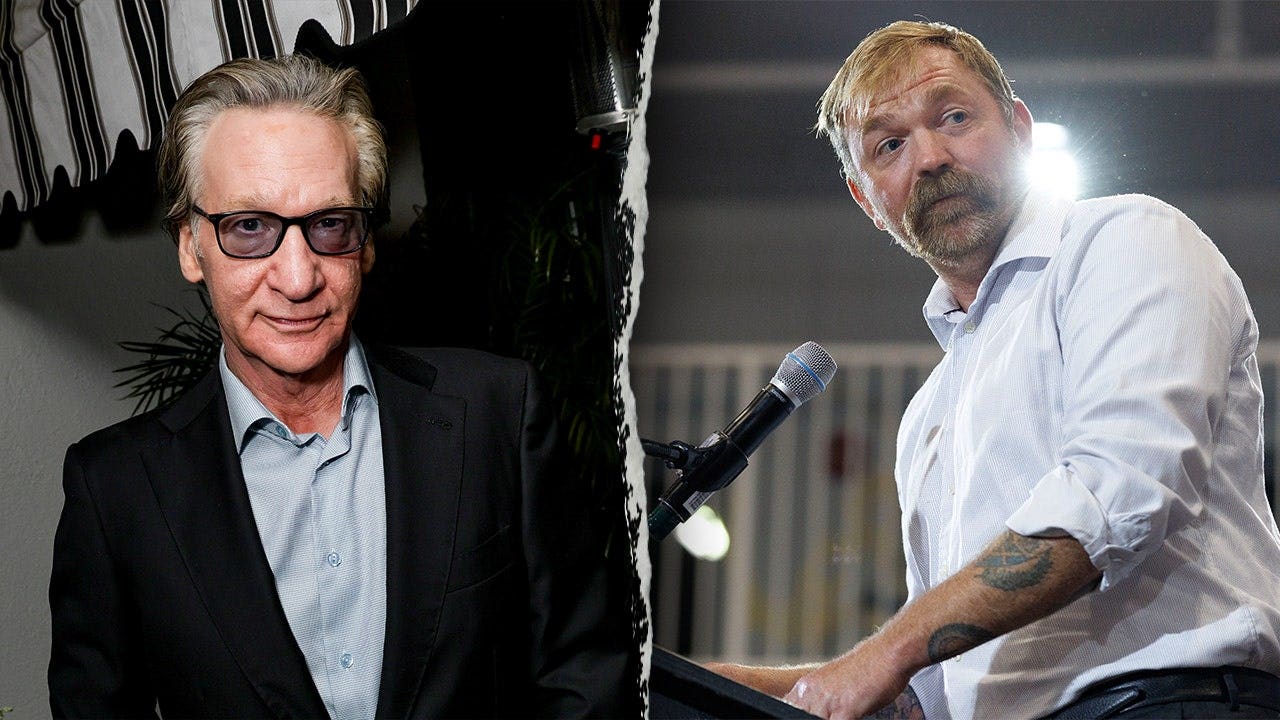
HBO host Bill Maher publicly urged Maine voters to support Democratic Senate nominee Graham Platner despite a string of controversies. Maher said he favored Platner partly because a Democratic Senate would restore balance and partly as a reflection of representative democracy; he acknowledged Platner’s “scary” issues while urging a vote. The article summarizes allegations and criticisms against Platner reported in recent coverage: an ex-girlfriend, Lyndsey Fifield, alleges Platner made statements endorsing rape as a show of dominance in a hypothetical home-invasion scenario; critics have highlighted off-color past remarks on sexual abuse, race, and terrorism; past sexting while married has been reported; and a chest tattoo resembling the Nazi 'Totenkopf' symbol has drawn condemnation. The story notes Platner served in the Marines and that some national Democrats, including Rep. Ro Khanna, have voiced support. Platner formally became the Democratic nominee earlier in the week and will face Republican Sen. Susan Collins; Fox News Digital sought comment from Platner. Maher also contrasted this behavior with a broader trend he attributes to current national political discourse.
Biblical Reflection
This story intersects moral character, electoral strategy, media influence, and the serious nature of sexual-violence allegations. The article reports allegations that, if true, describe violent and dehumanizing attitudes and are rightly matters of grave concern; Christian ethics call us to protect the vulnerable and take allegations of harm seriously. At the same time, public allegations require careful verification and due process before definitive judgment; Christians should resist rush-to-condemn instincts rooted in partisan gain rather than truth. Maher’s endorsement reveals a pragmatic political calculus—prioritizing party control over questions about a candidate’s character—which reflects a consequentialist worldview common in modern politics: ends justify compromising on character. That posture risks normalizing moral compromise and marginalizing victims if power becomes the overriding good. As Christians we are called both to seek justice and to practice mercy and humility: demand accountability where harm is alleged, listen to and protect survivors, insist on fair investigation, and resist cynicism that excuses wrongdoing for political advantage. Finally, be aware of media framing and celebrity influence; endorsements can shape perceptions but do not substitute for sober evaluation of facts and character in light of biblical virtues like truth, repentance, and care for the vulnerable.
Scripture in context
This outlook does not yet include contextual Scripture citations. Do not treat a general biblical theme as an exegetical conclusion.
Faithful Response
No prescribed response is offered. Consider the reflection prompts below in your own church context.
Reflection and Discussion
- 1Are we willing to prioritize political outcomes over rigorous accountability for alleged wrongdoing, and what does that reveal about our values?
- 2How does celebrity endorsement shape our perception of a candidate, and are we discerning the facts apart from the public spectacle?
- 3In responding to allegations, how do we balance the protections due to the accused with the care and credibility owed to accusers?
Sources
Reporting links are evidence inputs; Sanctuary News' biblical reflection is commentary.
This outlook currently relies on fewer than two linked sources. Broaden verification before teaching from it.
- 1.Original reportprimary