News Summary
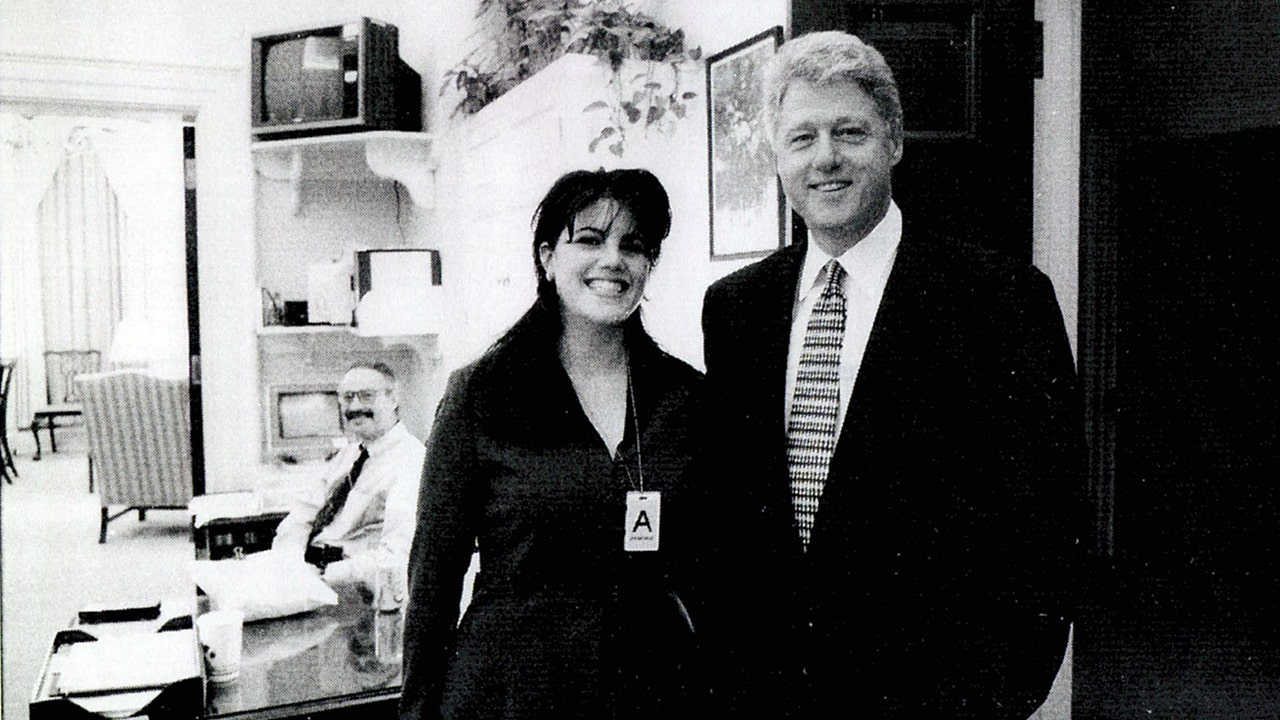
The article reviews the renewed scrutiny facing former President Bill Clinton as he is questioned by lawmakers about his connections to Jeffrey Epstein, a financier who died in prison while awaiting sex trafficking charges. Clinton has long denied any wrongdoing in relation to Epstein or in a series of past sexual misconduct allegations, many of which have punctuated his political career over the past three decades. The article details several prominent accusations, including those by Juanita Broaddrick (rape accusation), Kathleen Willey (sexual assault), Gennifer Flowers (consensual affair with elements of harassment), Paula Jones (sexual harassment leading to a successful lawsuit), and Monica Lewinsky (infamous affair leading to impeachment). In addition, it references the 'Troopergate' scandal regarding the alleged use of state troopers to facilitate Clinton’s extramarital affairs. Each of these cases brought questions about Clinton's character and truthfulness into the national spotlight, culminating in his impeachment following the Lewinsky affair.
Biblical Reflection
From a biblical perspective, the repeated emergence of allegations regarding sexual misconduct, deception, and abuse of power points to the deep and persistent problem of sin, particularly among those in positions of authority. Scripture is clear that leaders are to be above reproach (Titus 1:7), and that deception, sexual immorality, and the mistreatment of others are grave sins (Exodus 20:14-16; 1 Thessalonians 4:3-7). Even when legal consequences are avoided, as with the statute of limitations or settlements, the moral and spiritual implications remain. The pattern of denial, followed by reluctant admission only when evidence becomes overwhelming, mirrors the biblical admonition that "your sin will find you out" (Numbers 32:23). The lack of transparency and accountability erodes public trust and damages the witness of those in public service. For Christians, this serves as a sobering reminder to pray for our leaders, to pursue personal integrity, and to speak truth even when it is costly. The article challenges us to reflect on how power can corrupt and the necessity of repentance and genuine accountability for all people, regardless of status.
Scripture in context
This outlook does not yet include contextual Scripture citations. Do not treat a general biblical theme as an exegetical conclusion.
Faithful Response
No prescribed response is offered. Consider the reflection prompts below in your own church context.
Reflection and Discussion
- 1How do I respond when faced with evidence of wrongdoing in leaders I respect or support?
- 2In what ways am I tempted to hide my own faults, and what does true repentance and accountability look like in my life?
- 3How can I pray and advocate for justice, truth, and healing for those affected by abuse or deception?
Sources
Reporting links are evidence inputs; Sanctuary News' biblical reflection is commentary.
This outlook currently relies on fewer than two linked sources. Broaden verification before teaching from it.
- 1.Original reportprimary