News Summary
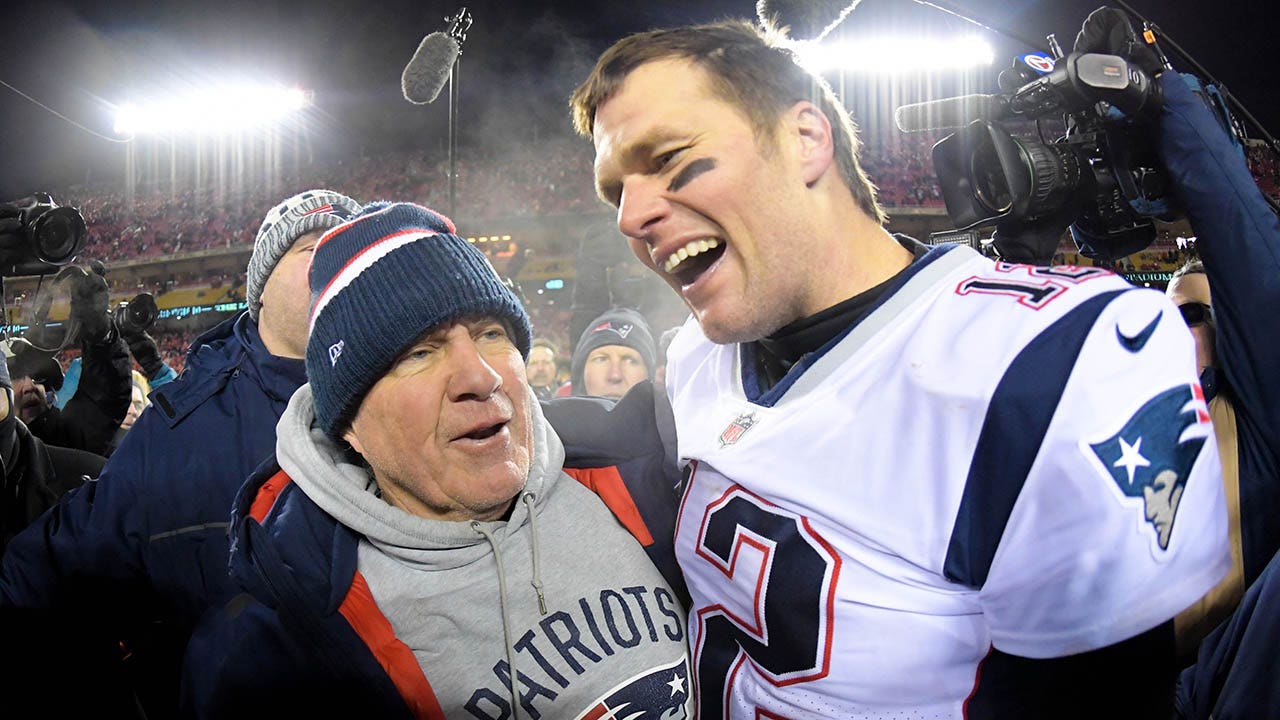
On Fox News’ "Hang Out with Sean Hannity," former New England Patriots head coach Bill Belichick said the long-running "Brady vs. Belichick" feud narrative was fabricated by the media. Belichick affirmed his prior statements and praised Tom Brady’s leadership, calling Brady a learner, competitor, and team-first leader from early in his Patriots tenure. He described how Brady asked to be included in critiques so he would be seen as "one of the guys," and said the team adjusted personnel and play-calling to enhance Brady’s strengths after 2002. Belichick acknowledged that their partnership eventually ended when Brady left for Tampa Bay, but noted ongoing mutual respect and public support since the split. The interview also touched on Belichick’s book, and mentioned Brady’s criticism of the Pro Football Hall of Fame voters when Belichick was not elected as a first-ballot inductee.
Biblical Reflection
This report highlights two realities: media outlets often promote conflict narratives because they attract attention, and public leaders can be miscast by repeated storytelling. Belichick’s clarification corrects a popular storyline and models humility and mutual respect between coach and player. From a biblical perspective, Christians should prize truth-telling (not rumor), celebrate servant leadership, and resist idolizing personalities or conflict-driven coverage. At the same time, a single interview does not eliminate all complexity—relationships in high-pressure public roles are multi-layered—but the correction matters because false narratives harm reputations and obscure real examples of teamwork and stewardship. Be wary of media incentives that favor drama; seek primary sources and measured accounts. Praise for leadership that is humble, team-focused, and teachable aligns with Christian virtues (servant leadership, accountability, and unity), while manufactured feuds reveal cultural appetite for division rather than reconciliation.
Scripture in context
This outlook does not yet include contextual Scripture citations. Do not treat a general biblical theme as an exegetical conclusion.
Faithful Response
No prescribed response is offered. Consider the reflection prompts below in your own church context.
Reflection and Discussion
- 1How does the media's preference for conflict shape our assumptions about leaders, and what should we look for to verify whether a reported feud is real or manufactured?
- 2In what ways does Christian teaching about servant leadership help us evaluate praise for public figures who lead well under pressure?
- 3When a public narrative is corrected, how should Christians balance holding leaders accountable with protecting reputations from rumor and sensationalism?
Sources
Reporting links are evidence inputs; Sanctuary News' biblical reflection is commentary.
This outlook currently relies on fewer than two linked sources. Broaden verification before teaching from it.
- 1.Original reportprimary