News Summary
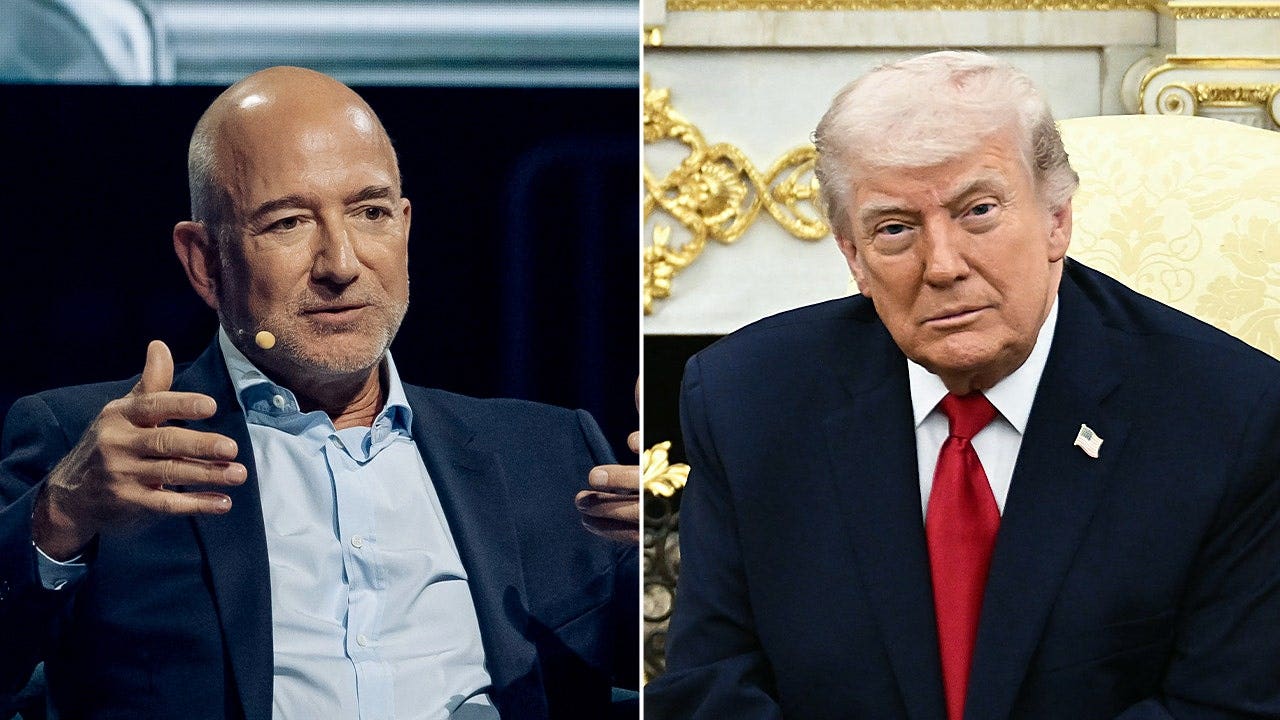
A forthcoming book by New York Times reporters Jonathan Swan and Maggie Haberman, Regime Change: Inside the Imperial Presidency of Donald Trump, reports that at a December 2024 dinner Jeff Bezos told then-President-elect Donald Trump that The Washington Post was his “worst investment.” According to the book excerpt cited in the article, Bezos complained to Trump about the Post’s business leadership after the paper lost more than $100 million that year and said people there “don’t listen.” The book also reports that Trump complained to Bezos that Post coverage was unfair. The article notes context: the Post withheld a 2024 presidential endorsement, prompting subscriber cancellations; Bezos published an October 2024 opinion defending non-endorsement; in February 2025 he announced a new opinion focus emphasizing personal liberties and free markets and the opinion editor resigned. In February 2026 the Post cut roughly one-third of its staff, eliminating its sports section, books coverage and several foreign bureaus; the publisher/CEO Will Lewis stepped down and the Post’s CFO was named interim CEO and publisher. The Post declined to comment for the article. The Fox News piece attributes the reporting to the Swan and Haberman book and quotes Trump’s recounting of his conversations with Bezos.
Biblical Reflection
This story raises questions about power, stewardship, and the relationship between media ownership and editorial independence. The raw facts reported are chiefly claims from a book citing conversations and recollections—some quotations reflect Trump’s account and Bezos’s alleged statements rather than contemporaneous public records—so readers should note the chain of attribution. From a Christian perspective, concentrated wealth and influence carry responsibilities: owners should exercise stewardship with humility, promote institutional integrity, and avoid using influence to shape truth for private ends. The layoffs and cutbacks have concrete human consequences for journalists and for the public’s access to coverage (especially local and foreign reporting), and those outcomes demand mercy and accountability. The article’s framing (published by an outlet with its own editorial slant) also models how news can emphasize interpersonal drama between powerful people rather than structural questions about media funding, public trust, or the livelihoods affected. Christians should discern both the factual claims and the broader systems at work: who benefits from consolidation, how incentives shape news choices, and what justice and compassion require for displaced workers and for the public that relies on robust reporting.
Scripture in context
This outlook does not yet include contextual Scripture citations. Do not treat a general biblical theme as an exegetical conclusion.
Faithful Response
No prescribed response is offered. Consider the reflection prompts below in your own church context.
Reflection and Discussion
- 1Whose testimony is being reported and how many steps of attribution separate the reader from the original conversation?
- 2How does private ownership of major news outlets change incentives for coverage, and who gains or loses as a result?
- 3When media institutions shrink, what are the likely consequences for public knowledge and democratic accountability?
Sources
Reporting links are evidence inputs; Sanctuary News' biblical reflection is commentary.
This outlook currently relies on fewer than two linked sources. Broaden verification before teaching from it.
- 1.Original reportprimary