News Summary
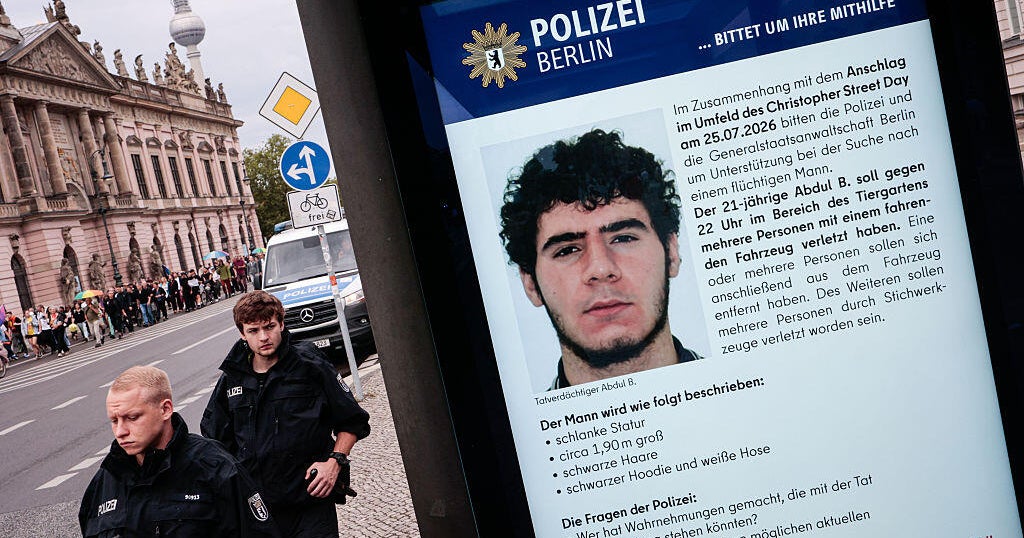
Reported facts: Officials said a vehicle was driven into celebrants at one of Europe's largest Pride events in Berlin. The suspect was identified in reporting as Abdul Ballout, a 21-year-old German-born citizen with Lebanese roots. Attributed claims: A group told authorities the suspect had ties to ISIS and that those ties had previously raised red flags. Uncertainties: The article does not provide independent or detailed evidence confirming the nature of the ISIS connection, casualty counts, motive, or outcomes of any formal investigation or charges.
Source and Framing Analysis
The story relies on a single news report that quotes officials and cites a group's claim about extremist ties. Key uncertainties materially affect understanding: the phrase 'ties to ISIS' is vague (it could mean online praise, contact with members, travel, or unconfirmed suspicion), and 'raised red flags' is not explained. Because the report attributes the linkage to a group rather than presenting documentary evidence or formal charges, readers should treat the claim as provisional and await corroboration and investigative detail.
Biblical Reflection
This incident brings immediate pastoral concerns: victims and their families need care and communities — particularly those already vulnerable like LGBTQ+ people — need protection and solidarity. Christianity calls us both to seek truth and to extend compassion. We should assert the reality of evil actions and the need for lawful investigation and public safety while resisting the temptation to rush to simple explanations or to scapegoat entire communities based on ethnicity or religion.
The report's claim of an extremist link heightens fear and political pressure; Christians must insist on careful fact-finding and measured public response that honors justice and mercy. We should advocate for transparent investigation, support victims practically and spiritually, and resist retaliatory rhetoric. At the same time, we must also hold perpetrators accountable within the rule of law, remembering that seeking justice and refusing vengeance are both biblical imperatives.
Finally, our posture toward neighbors who share the suspect's ethnic or religious background should be shaped by Christlike love — offering hospitality, listening, and refusing collective blame — while also standing with communities targeted by the violence. Prayerful discernment, truthful reporting, and compassionate action together best reflect Christian witness in such crises.
Scripture in context
- 1Romans 12:17-21 — In Romans Paul instructs Christians not to repay evil for evil but to overcome evil with good, addressing interpersonal and civic ethics in a pagan-dominated context. — This passage frames a Christian response to violence: pursue justice through lawful means, care for victims, and resist revenge or dehumanization of others while working to restore peace when possible.
Faithful Response
Pray specifically for victims, first responders, investigators, and communities affected by fear and trauma.
Offer practical support (meals, counseling referrals, accompaniment) to those harmed and to congregants who may feel unsafe.
Avoid spreading unverified claims; wait for confirmed facts before diagnosing motives or assigning group blame.
Reach out in hospitality to neighbors from communities who may face backlash, affirming they are not collectively responsible for one person's actions.
Engage civic processes: encourage transparent investigation and lawful accountability, and support policies that protect public safety while upholding civil rights.
Reflection and Discussion
- 1How does Scripture shape our response to violent acts — balancing demands for justice with calls to mercy and refusal of revenge?
- 2What steps can our church take to protect and comfort the most vulnerable while promoting truthful, non-sensational public conversation?
- 3How can we resist stereotyping or collective blame of communities connected by ethnicity or religion to the alleged perpetrator?
Sources
Reporting links are evidence inputs; Sanctuary News' biblical reflection is commentary.
This outlook currently relies on fewer than two linked sources. Broaden verification before teaching from it.
- 1.Berlin Pride attack suspect with ISIS ties raised red flags, group saysprimary_reporting