News Summary
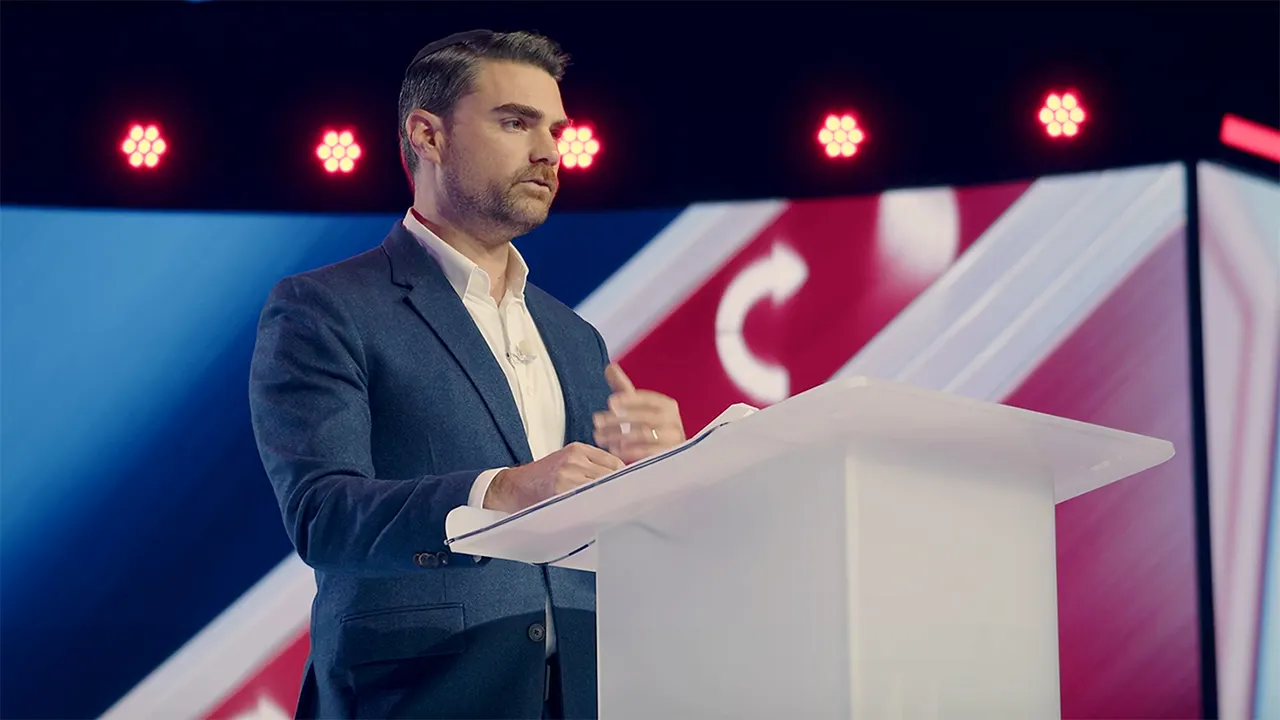
At the AmericaFest 2025 conference hosted by Turning Point USA, conservative commentator Ben Shapiro sharply criticized fellow conservative figures, notably Tucker Carlson and Candace Owens. Shapiro accused them of being 'frauds and grifters' who undermine conservative principles by spreading conspiracies and negativity, rather than upholding foundational values. He specifically denounced Tucker Carlson for platforming controversial individuals like White nationalist Nick Fuentes and for not publicly condemning conspiracy theories surrounding the assassination of TPUSA co-founder Charlie Kirk. Shapiro argued that commentators have a duty to provide evidence and truth, rather than sowing distrust through vague questions and sensationalism. He concluded that if the conservative movement does not draw moral boundaries, it risks losing its integrity and purpose.
Biblical Reflection
This article highlights deep divisions and moral accusations within a prominent political movement, raising questions about truth, responsibility, and leadership. From a biblical perspective, Christians are called to speak the truth in love (Ephesians 4:15), to avoid gossip and slander (James 4:11), and to test the spirits to discern what is good (1 John 4:1). The public rebuke seen here may have an element of accountability, but it also carries a risk of stoking division, pride, and personal animosity. Scripture warns against false teachers and those who stir up dissension (Romans 16:17-18) but also urges believers to pursue peace and unity (Romans 12:18). The Christian response to disagreements—especially among leaders—should be marked by humility, honest dialogue, and a search for reconciliation rather than public shaming or self-righteousness. Ultimately, the measure of leadership is not charisma or popularity, but faithfulness to truth and love.
Scripture in context
This outlook does not yet include contextual Scripture citations. Do not treat a general biblical theme as an exegetical conclusion.
Faithful Response
No prescribed response is offered. Consider the reflection prompts below in your own church context.
Reflection and Discussion
- 1How do I discern the difference between necessary accountability and divisive criticism in public discourse?
- 2Am I seeking truth and unity in my conversations, or am I drawn to voices that sow discord?
- 3How can I respond to disagreements—especially among my leaders—with both conviction and humility?
Sources
Reporting links are evidence inputs; Sanctuary News' biblical reflection is commentary.
This outlook currently relies on fewer than two linked sources. Broaden verification before teaching from it.
- 1.Original reportprimary