News Summary
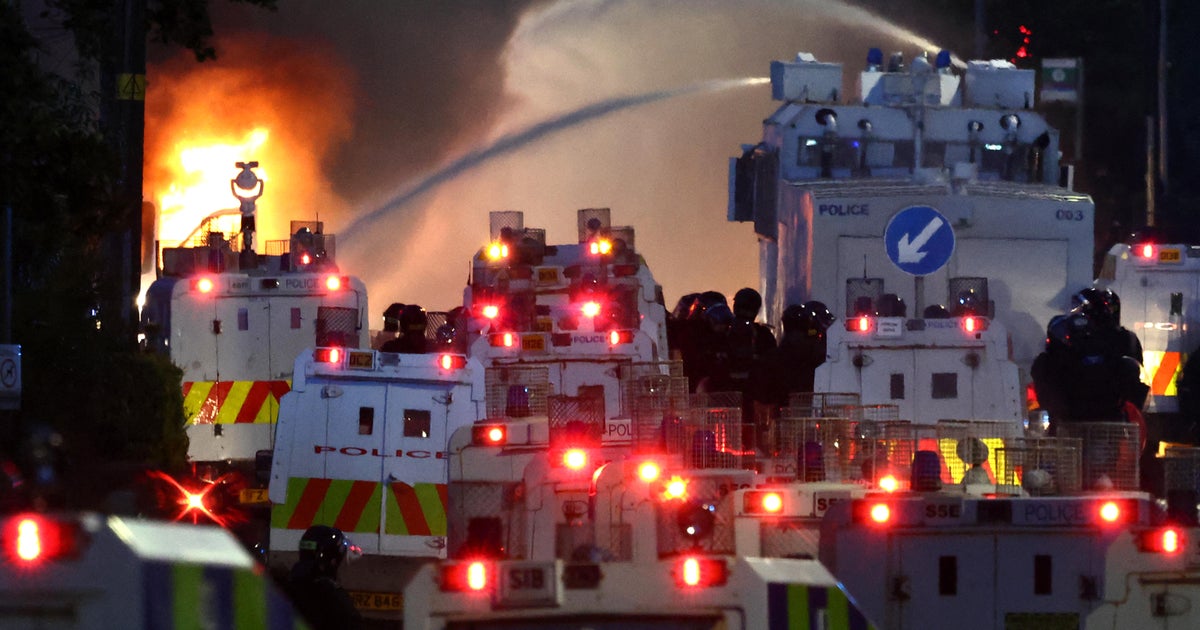
A 30-year-old Sudanese man, Hadi Alodid, was charged with attempted murder after a stabbing in Belfast that left a man seriously injured and reportedly blinded in one eye; Alodid also faces knife and threatening charges and did not enter a plea. Video of the attack circulated widely. In response to the stabbing, masked crowds staged violent protests over two nights: they set fires, torched a bus, attacked homes thought to house immigrants, threw bricks and bottles at police, and used makeshift shields; firefighters rescued people and more than two dozen were left homeless. Police used water cannons and increased officer deployments; bus and train services were curtailed. Authorities said the suspect entered Northern Ireland from the Republic of Ireland in 2023, applied for asylum, and received a five-year permit to remain; police said there is no evidence the attack was terrorism-related. Far-right activists encouraged protests online, and politicians from across Northern Ireland's parties and the U.K. prime minister condemned the violence and called for calm. Some politicians suggested reviewing the open border with the Republic, a sensitive issue tied to the peace process.
Biblical Reflection
From a Christian perspective, this story exposes several competing moral failures and responsibilities. There is a real victim of a violent crime who deserves justice and care, and there are families — including migrants and long-term neighbors — who now face fear, displacement and danger. Christians should resist two temptations: dehumanizing scapegoating and lawlessness. The rush to blame entire communities or policy frameworks for one person's alleged crime can fuel xenophobia and collective punishment, which contradicts neighbor-love and the call to treat strangers with dignity. At the same time, the physical violence, arson and property attacks are plainly unjust and destructive; public order and protection of the vulnerable are moral goods. The article shows how social media and political actors can amplify fear and recruit people to violence; discernment is needed to separate genuine community concern from agitators who profit from division. Leverage for policy debates (border controls, asylum procedures) should not justify mob action. Practically, Christians should advocate for truthful reporting, due process, protection for victims and displaced families, and pastoral care for communities traumatized by both crime and retaliatory violence. Leaders must prioritize peace-building, restorative justice where possible, and courageous truth-telling that refuses both scapegoating and minimization of harm.
Scripture in context
This outlook does not yet include contextual Scripture citations. Do not treat a general biblical theme as an exegetical conclusion.
Faithful Response
No prescribed response is offered. Consider the reflection prompts below in your own church context.
Reflection and Discussion
- 1Who benefits when a single violent act is framed as emblematic of an entire group, and how does that shape public response?
- 2Are calls for tougher policy being used to justify or excuse collective violence, and how can Christians hold leaders accountable to both safety and mercy?
- 3How does this incident test the commitments of peace built after past conflict, and what narratives threaten to undo that fragile peace?
Sources
Reporting links are evidence inputs; Sanctuary News' biblical reflection is commentary.
This outlook currently relies on fewer than two linked sources. Broaden verification before teaching from it.
- 1.Original reportprimary