News Summary
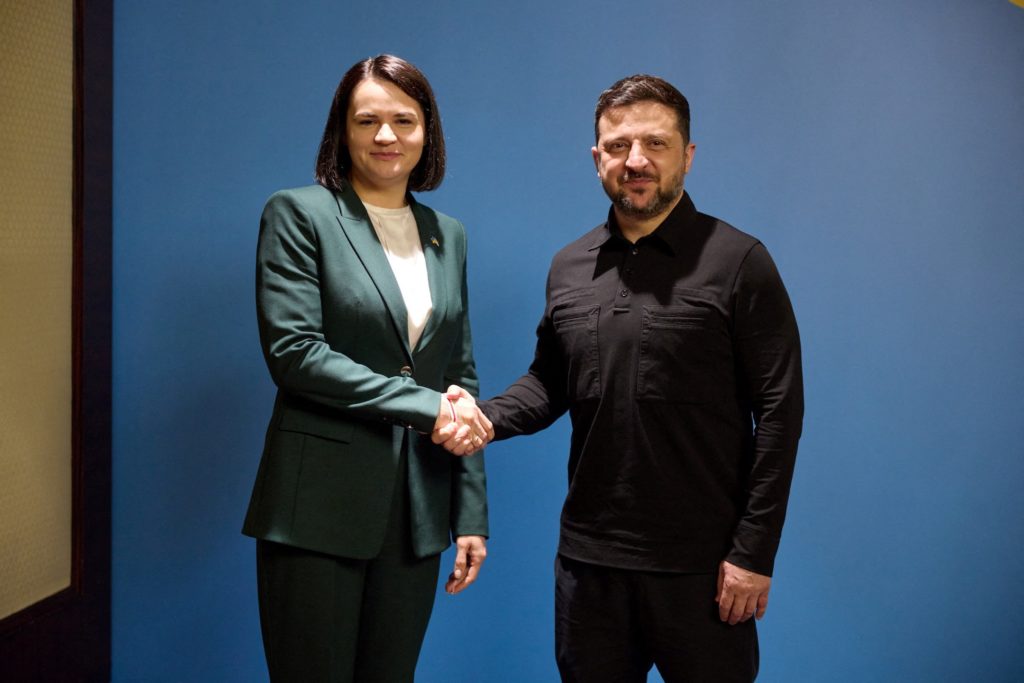
Reported facts: PBS NewsHour aired an interview in which Sviatlana Tsikhanouskaya discussed Belarus’s condition under Alexander Lukashenko and the country’s proximity to Russia’s war in Ukraine; the article notes Belarus’s population (~9 million). Attributed claims: the piece characterizes Lukashenko as closely aligned with Putin and describes Belarus as grappling with the fallout from the war; these are presented as the interview’s and outlet’s framing. Uncertainties: the article is an interview-style report that does not supply independent corroboration for specific claims about policies, reprisals, or the scale of internal repression related to wartime decisions.
Source and Framing Analysis
The piece is a single interview-reporting item from PBS NewsHour: it centers the opposition leader’s perspective and frames Belarus through the lens of its relationship with Russia and Lukashenko’s rule. Material uncertainties include lack of independent data or multiple sources to corroborate claims about the internal political situation, the extent of Lukashenko’s operational ties to Russian military activity, and detailed impacts on civilians beyond general descriptions.
Biblical Reflection
This report describes people living under pressure and a political leader in exile calling for democratic restoration. Christians should first listen for human suffering and the yearning for justice beneath the political language. The article presents an opposition perspective; it shows the courage of those who resist authoritarianism and the real costs borne by ordinary people when geopolitics and repression intersect.
At the same time, readers should hold the reporting with sober discernment. The piece is an interview-focused account that centers one viewpoint; important factual details and independent corroboration about specific allegations or the scale of reprisals are not supplied here. Christians called to truth and mercy will both stand with the vulnerable and resist using this story as fuel for partisan certainties: our posture should be prayerful, justice-minded, and humble about what we actually know.
Finally, the article invites practical compassion. Love of neighbor requires attention to refugees, political prisoners, and humanitarian needs exposed by conflict and repression. The church’s response should combine prayer, accurate information-seeking, advocacy for human dignity, and tangible support for those harmed by violence and authoritarian policies.
Scripture in context
- 1Proverbs 31:8-9 — In its literary context Proverbs addresses practical wisdom for the community; these verses call the wise to speak up for those who cannot speak for themselves and to defend the rights of the poor and needy. — This passage urges Christians to advocate for the voiceless and oppressed with wise, measured speech—encouraging both advocacy and careful attention to facts when representing others' suffering.
- 2Luke 6:20-23 — In Luke's Beatitudes Jesus blesses those who suffer and points ahead to reversal and vindication; the passage comforts people who endure hardship for righteousness' sake. — Believers can find solidarity with those who suffer under oppression and be reminded to act with compassion and hope rooted in God’s justice rather than in partisan vindictiveness.
Faithful Response
Pray regularly for Belarusian civilians, political prisoners, and leaders—asking for protection, justice, and repentance where needed.
Seek additional reliable information from multiple reputable sources before drawing policy or public judgments.
Support verified humanitarian and refugee-assistance organizations helping Belarusians affected by conflict or repression.
Advocate for human rights through measured public witness—writing to elected representatives or joining denominational statements that call for protections and due process.
Reflection and Discussion
- 1What assumptions does this interview rely on, and where do we need more evidence before forming firm judgments?
- 2How can Christians hold both a commitment to truth (including careful sourcing) and a commitment to mercy for people suffering under authoritarian systems?
- 3In what concrete ways should our concern for justice and peace shape prayer, advocacy, and practical support for people affected by Belarus’s political repression and the war in Ukraine?
Sources
Reporting links are evidence inputs; Sanctuary News' biblical reflection is commentary.
This outlook currently relies on fewer than two linked sources. Broaden verification before teaching from it.
- 1.Belarusian opposition leader on fighting for democracy under Lukashenkoprimary_reporting