News Summary
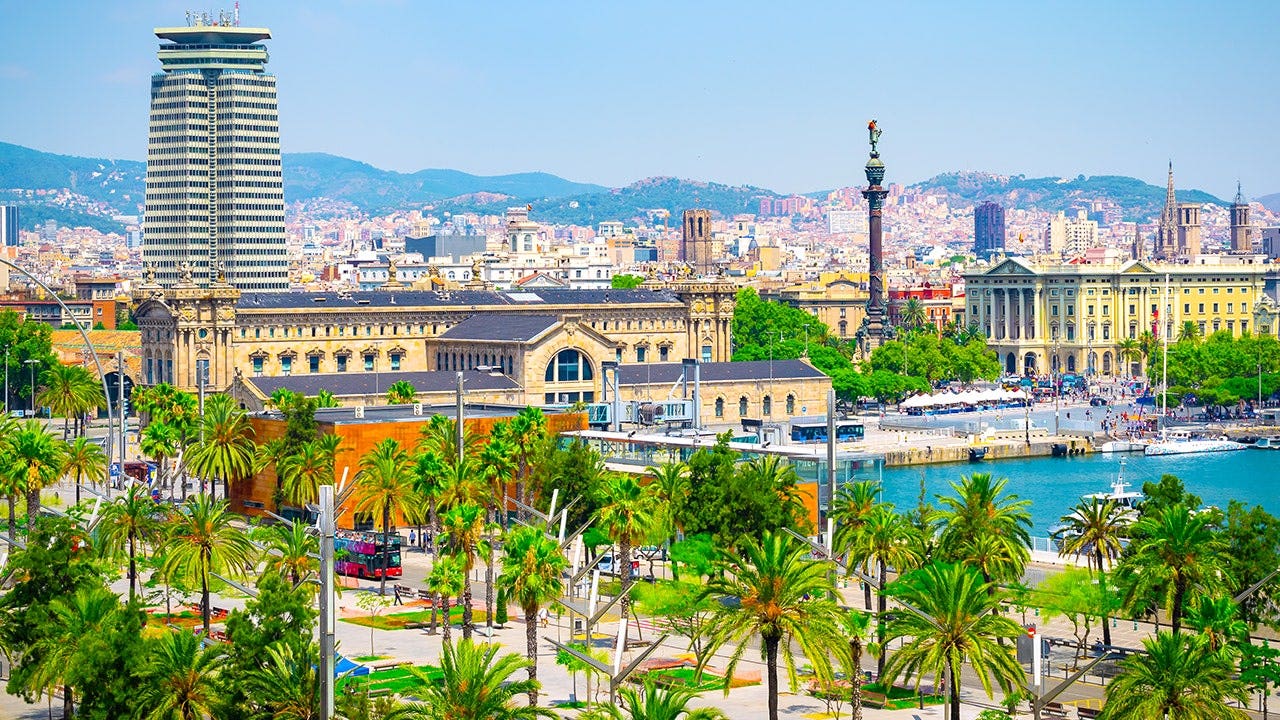
Barcelona Mayor Jaume Collboni said he wants to accelerate an approved increase in the city’s tourist tax for cruise passengers so it takes effect within months rather than over four years. The measure would raise the daily fee for cruise passengers from €4 to €8. Collboni told local media he aims to discourage cruise passengers who only stop briefly in Barcelona and hopes to reduce such short-stay cruise arrivals to zero. The proposal was reported by El País after Collboni appeared on Betevé. Barcelona’s city council had already agreed in 2024 to reduce cruise terminals from seven to five and to gradually raise visitor taxes; recent changes have increased hotel guest taxes and levies on holiday rentals. Collboni also said he plans to run for re-election in May 2027 and spoke about governing with a left-wing majority.
Biblical Reflection
From a Christian perspective, this story raises questions about stewardship, the common good, and the just use of civic authority. The mayor’s stated goals—protecting residents from the burdens of overtourism and prioritizing ‘quality’ visitors—are legitimate public concerns: Scripture affirms caring for our neighbors and wise stewardship of shared resources (e.g., towns, neighborhoods, public spaces). At the same time, Christian discernment calls us to notice who benefits and who may be harmed by policy shifts. Higher taxes and restrictions can protect local life and environment, but they also affect workers, small businesses, and people whose livelihoods depend on tourism. The article largely presents the mayor’s proposals and political framing; it gives little voice to cruise workers, local vendors, low-wage employees, or cruise passengers themselves. That asymmetry can produce a one-sided view that treats policy as purely regulatory or electoral without showing the economic and human trade-offs. Spiritually, Christians should welcome policies that promote justice and the wellbeing of neighbors (care for those who live in the city), while also asking whether the measures are enacted with compassion and fairness toward vulnerable workers and families who serve tourists. Finally, be aware of media framing: words like “crackdown” or “discourage” shape readers’ emotions. Discernment asks us to separate legitimate civic protection from political posturing and to pray for leaders to balance justice, mercy, and prudence.
Scripture in context
This outlook does not yet include contextual Scripture citations. Do not treat a general biblical theme as an exegetical conclusion.
Faithful Response
No prescribed response is offered. Consider the reflection prompts below in your own church context.
Reflection and Discussion
- 1Whose voices are missing from the coverage—local workers, small business owners, or residents—and how would their perspectives change how you evaluate this policy?
- 2Does the framing of the story emphasize political advantage or the common good, and how does that affect our trust in the proposed measures?
- 3Are the city’s actions guided primarily by stewardship of place and neighborly care, or by exclusionary ideals of who ‘should’ visit and benefit from the city?
Sources
Reporting links are evidence inputs; Sanctuary News' biblical reflection is commentary.
This outlook currently relies on fewer than two linked sources. Broaden verification before teaching from it.
- 1.Original reportprimary