News Summary
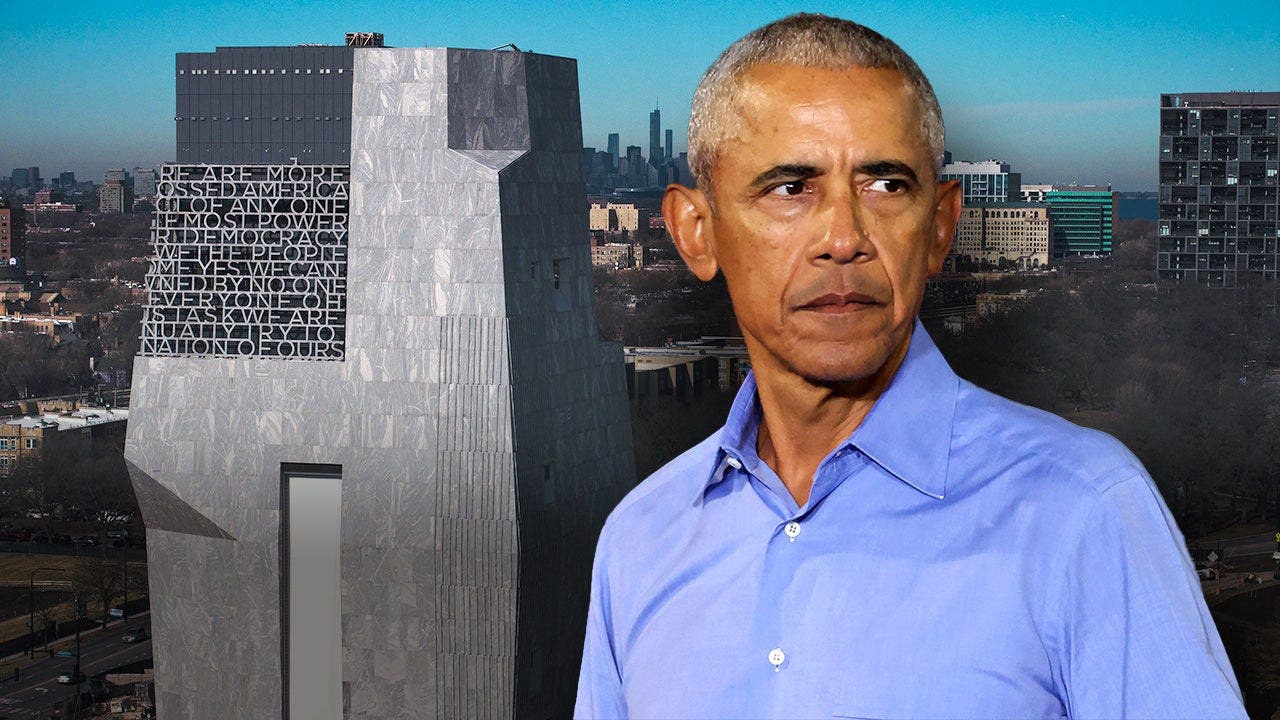
Former President Barack Obama will give his first televised interview from the Obama Presidential Center in Chicago to late-night host Stephen Colbert. The interview was announced on The Late Show and confirmed by the Obama Foundation; it is scheduled weeks before Colbert’s final Late Show broadcast after Paramount/CBS canceled the program. Colbert has a long history of public support for Democrats and has previously hosted and appeared with Obama; he also helped MC a 2024 fundraising event that included Biden and Clinton. The Obama Presidential Center — located on Chicago’s South Side and slated to open in June — has faced years of public scrutiny over its design, community impact, and the use of parkland; advocacy group Protect Our Parks challenged aspects of the project in court. A Fox News piece cited public infrastructure costs tied to the project. Paramount said it canceled The Late Show for financial reasons and denied content was the cause; Fox News and some conservative commentators criticized Colbert for what they describe as partisan activism.
Biblical Reflection
From a Christian perspective, this item highlights several overlapping concerns: the mixing of celebrity and political influence, public accountability for civic projects, and the way media outlets frame events to support particular narratives. The basic facts — an interview between Obama and an openly partisan entertainer at a presidential center under local scrutiny — are straightforward. Potential bias in the coverage includes emphasis on partisan criticism and contested language (for example, calling the center "controversial" without unpacking specific community perspectives), which can shape readers’ impressions before they assess the underlying facts. Christians should be careful not to assume motive beyond what is shown: public figures often choose sympathetic interviewers for access and rapport, and critics on all sides may amplify grievances for media attention. Biblically, we are called both to seek truth and to pursue justice and good stewardship for the common good. That means asking for clear, documented accounting of public costs where taxpayers are involved, listening to the local community’s expressed concerns, and resisting partisan caricature. At the same time, Christians should avoid treating individuals as wholly defined by partisan alignment. Discernment includes evaluating sources, seeking multiple perspectives, and holding leaders accountable in love and truth.
Scripture in context
This outlook does not yet include contextual Scripture citations. Do not treat a general biblical theme as an exegetical conclusion.
Faithful Response
No prescribed response is offered. Consider the reflection prompts below in your own church context.
Reflection and Discussion
- 1What specific evidence does the article provide about public costs and community impact, and where might additional primary sources (city reports, court filings, local testimony) be needed to assess those claims?
- 2How does the outlet’s framing (choice of adjectives, emphasis on criticism) shape your view of the interview before you see it, and what steps can you take to evaluate the interview’s substance rather than its partisan packaging?
- 3In what ways should Christians balance love for truth and accountability with charity toward public figures and commentators who hold different political commitments?
Sources
Reporting links are evidence inputs; Sanctuary News' biblical reflection is commentary.
This outlook currently relies on fewer than two linked sources. Broaden verification before teaching from it.
- 1.Original reportprimary