News Summary
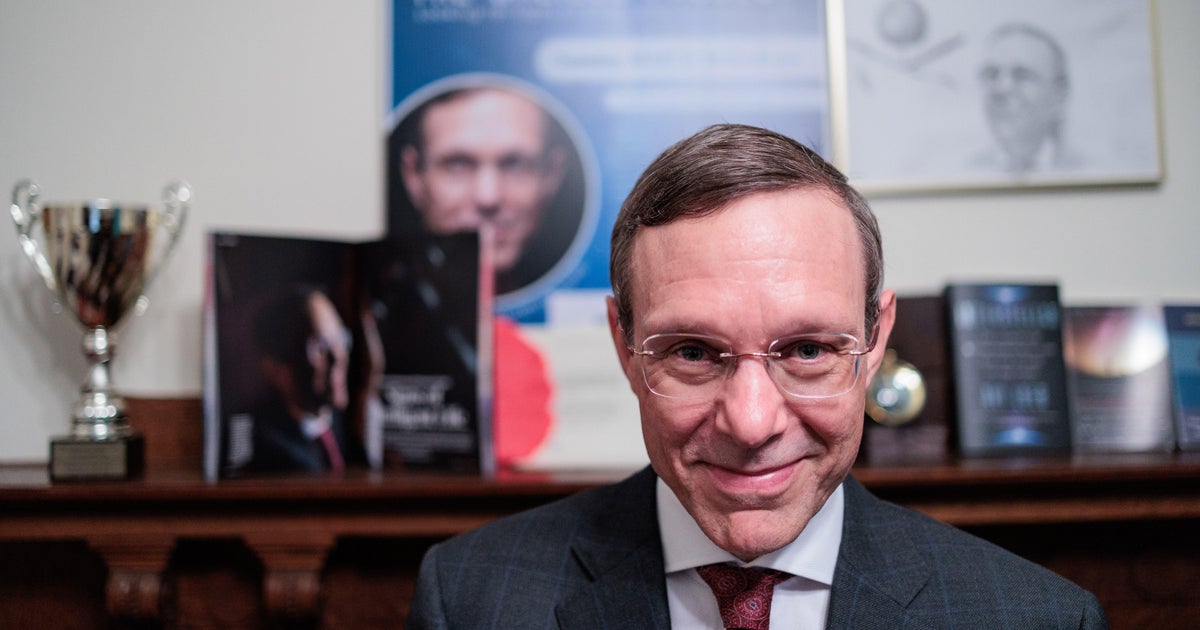
The White House appointed Harvard astronomer Avi Loeb to head an external scientific advisory team studying the national security risks posed by unidentified anomalous phenomena (UAP). The team will report to a new White House UAP panel created after a presidential directive seeking greater transparency on alleged UFO incidents. Loeb, formerly chair of Harvard's astronomy department and founder of the Galileo Project, is known for arguing some interstellar objects could be artificial; critics in the scientific community say his conclusions are speculative and sometimes bypass peer review. Loeb says he will start from the assumption that UAPs are human-made and will approach the issue from a national security perspective, while also leaving open other possibilities pending data. His hand-picked group includes scientists and activists such as retired Rear Admiral Timothy Gallaudet and entrepreneur Ben Lamm. After its first meeting, Loeb's team requested more than 50 videos, images and documents from the Pentagon. The group's meetings are closed but Loeb has pledged public briefings and a website for findings. Some former Pentagon UAP investigators and academic peers have criticized Loeb's selection and the team's composition, expressing concern about methodology and national security expertise. The Pentagon maintains it has seen no evidence of alien life.
Biblical Reflection
From a Christian perspective, this story raises several moral and practical concerns alongside the legitimate pursuit of knowledge. The appointment signals a desire for investigation and transparency — virtues aligned with a biblical call to seek truth — but it also highlights risks when scientific authority, political aims, and public fascination converge. The article shows both openness to inquiry and healthy skepticism from peers; Christians should value evidence-based investigation while resisting sensationalism and confirmation bias. There is real public interest and potential national security implication in collecting and analyzing data, so decisions must be governed by intellectual humility, accountability, and protection of common good interests rather than personal fame or political theater. Christians are called to promote truthful communication, care for neighbors who may be unsettled by alarming claims, and demand processes that test claims rigorously and preserve public trust. Finally, secrecy and partisan framing can erode confidence; transparency balanced with security is a stewardship responsibility when public safety and civil trust are at stake.
Scripture in context
This outlook does not yet include contextual Scripture citations. Do not treat a general biblical theme as an exegetical conclusion.
Faithful Response
No prescribed response is offered. Consider the reflection prompts below in your own church context.
Reflection and Discussion
- 1How should we weigh scientific expertise and peer-reviewed methods against outsider claims when those claims influence public policy and security?
- 2What signs of confirmation bias, celebrity influence, or political motive should I look for in reporting about unexplained phenomena?
- 3Does the balance between transparency and necessary secrecy serve the common good, or does it risk eroding public trust when handled poorly?
Sources
Reporting links are evidence inputs; Sanctuary News' biblical reflection is commentary.
This outlook currently relies on fewer than two linked sources. Broaden verification before teaching from it.
- 1.Original reportprimary