News Summary
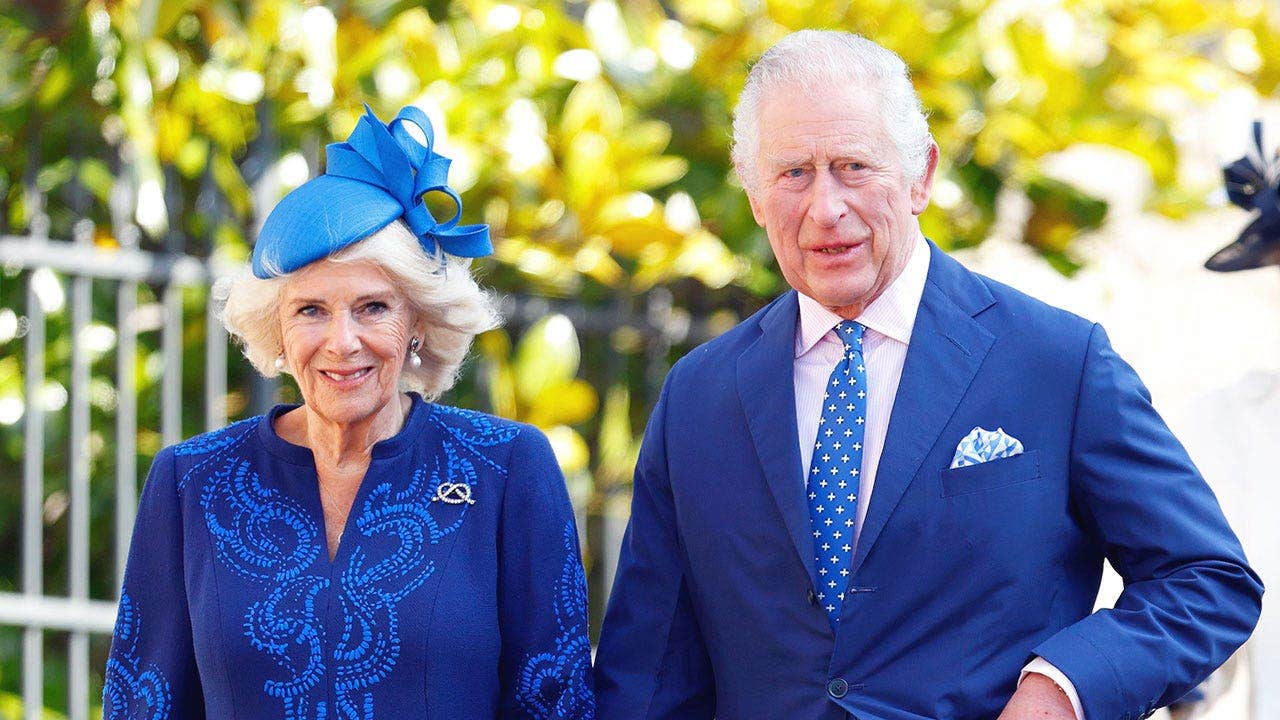
Catherine Mayer's new book, Divide & Rule, argues that King Charles regarded Camilla as 'non-negotiable' after his divorce from Princess Diana, and that the monarchy made deliberate efforts to rehabilitate Camilla's public image. Mayer cites anonymous friends and her own observations of Charles and Camilla together to support the claim that Camilla was the single companion who sustained him. The article recounts the historical timeline: Charles met Camilla in 1970; they had a long-standing relationship interrupted by marriages to other people; Charles married Lady Diana Spencer in 1981; Charles and Diana separated in 1992 and divorced in 1996; Diana died in 1997. Charles married Camilla in 2005, and she became Queen Camilla in 2023. Buckingham Palace declined to comment on the book. The article quotes other commentators and biographers who say Camilla supported Charles, helped his public rehabilitation, and remained central to his private life; it also notes disputed or anonymous details about the timing and nature of the couple's relationship.
Biblical Reflection
This story sits at the intersection of private relationships, public reputation, and appetite for royal narrative. As a factual account, much relies on secondary reporting and anonymous sources, so readers should weigh confidence in specific claims accordingly. From a Christian perspective, the article raises familiar moral questions: the pain caused by broken marriage and betrayal, the possibility and limits of public forgiveness and rehabilitation, and the temptation to reduce complex human lives to scandal or tidy narratives. The piece often emphasizes emotional chemistry and loyalty as justification for choices made, which can obscure wider responsibilities, accountability, and the real human costs borne by others. A Christian response calls for truth-seeking (careful evaluation of sources), compassion for those who were hurt (including Diana and her children), and humility about the limits of our judgment. At the institutional level, the monarchy's choices about image management reveal how power and tradition shape who is accepted or excluded—reminding Christians to resist elevating celebrity or protocol above justice, repentance, and care for the vulnerable.
Scripture in context
This outlook does not yet include contextual Scripture citations. Do not treat a general biblical theme as an exegetical conclusion.
Faithful Response
No prescribed response is offered. Consider the reflection prompts below in your own church context.
Reflection and Discussion
- 1Which details in this account rest on anonymous or secondhand sources, and how should that affect how much weight we give the book's claims?
- 2How does public fascination with royal relationships shape which narratives get amplified, and what costs do those narratives impose on the real people involved?
- 3Are we tempted to treat marriage and public duty as interchangeable with celebrity storytelling—what virtues should guide our judgments about leaders' private lives?
Sources
Reporting links are evidence inputs; Sanctuary News' biblical reflection is commentary.
This outlook currently relies on fewer than two linked sources. Broaden verification before teaching from it.
- 1.Original reportprimary