News Summary
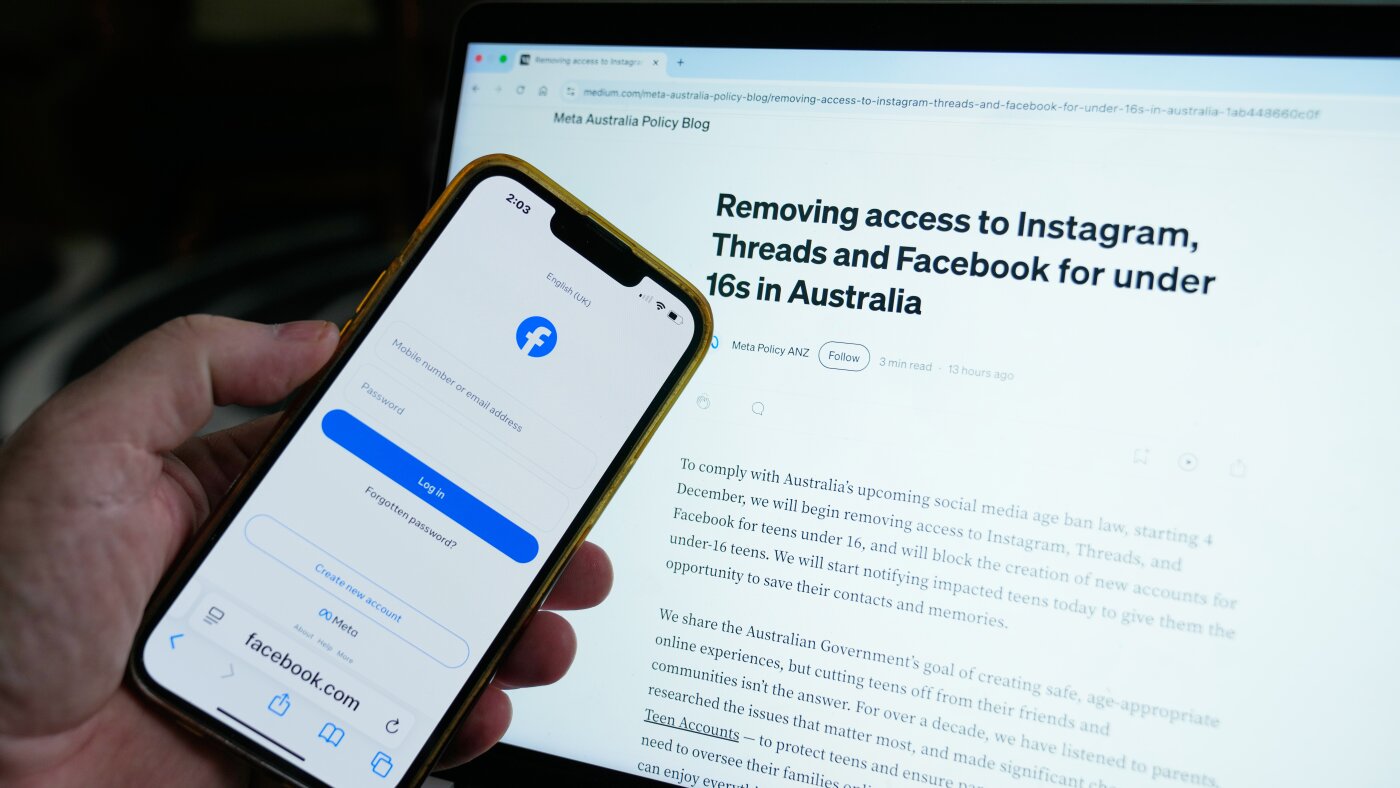
Australia's government announced draft legislation to double the maximum fine for social media platforms that fail to prevent Australian children under 16 from holding accounts, raising the cap to 99 million Australian dollars (about $68 million). The bill would also broaden the powers of the eSafety Commissioner to demand information and documents from platforms and third parties — including age-assurance providers — to verify compliance. Communications Minister Anika Wells said platforms' resistance to the age restrictions prompted the changes. Parliament originally passed the under-16 ban in 2024 and it took effect Dec. 10; the government initially reported more than 5 million children had accounts removed, deactivated, or restricted. However, eSafety reported in March that seven in 10 children who held accounts on Dec. 10 remained on Facebook, Instagram, Snapchat, and TikTok. eSafety has signaled possible court action against those platforms and YouTube; several other platforms (X, Kick, Reddit, Threads and Twitch) were judged to have made satisfactory progress. Opposition lawmakers have signaled conditional support for the tougher measures, saying the original law lacked sufficient enforcement powers.
Biblical Reflection
The intent behind these measures — protecting children from online harms — is consistent with Christian concern for the vulnerable. The article presents a straightforward account of a government using law and regulatory power to close enforcement gaps when voluntary compliance by corporations falls short. The underlying worldview privileges child safety and governmental responsibility over platform autonomy, and treats Big Tech resistance as a practical obstacle to justice. That framing is largely accurate given eSafety's reported data, but readers should note potential biases: the article leans on government and regulator statements and gives less space to platform explanations about technical limits, false positives in age verification, or privacy concerns. From a pastoral perspective, Christians should welcome efforts to protect children while also calling for measures to be proportionate, transparent, and respectful of due process and privacy. We should resist simple ‘‘us vs. them’’ narratives and press for solutions that combine justice (holding negligent actors accountable), mercy (avoiding undue harm to lawful users), humility (acknowledging technological limits), and courage (pursuing durable protections rather than symbolic penalties).
Scripture in context
This outlook does not yet include contextual Scripture citations. Do not treat a general biblical theme as an exegetical conclusion.
Faithful Response
No prescribed response is offered. Consider the reflection prompts below in your own church context.
Reflection and Discussion
- 1Does the emphasis on large fines assume technical fixes are simple, or should we also ask how realistic and fair enforcement will be in practice?
- 2Who is centered in this debate — the children, the companies, or political interests — and how does that center shape proposed remedies?
- 3How can Christians advocate for vulnerable children while insisting on transparency, proportionality, and respect for privacy and due process?
Sources
Reporting links are evidence inputs; Sanctuary News' biblical reflection is commentary.
This outlook currently relies on fewer than two linked sources. Broaden verification before teaching from it.
- 1.Original reportprimary