News Summary
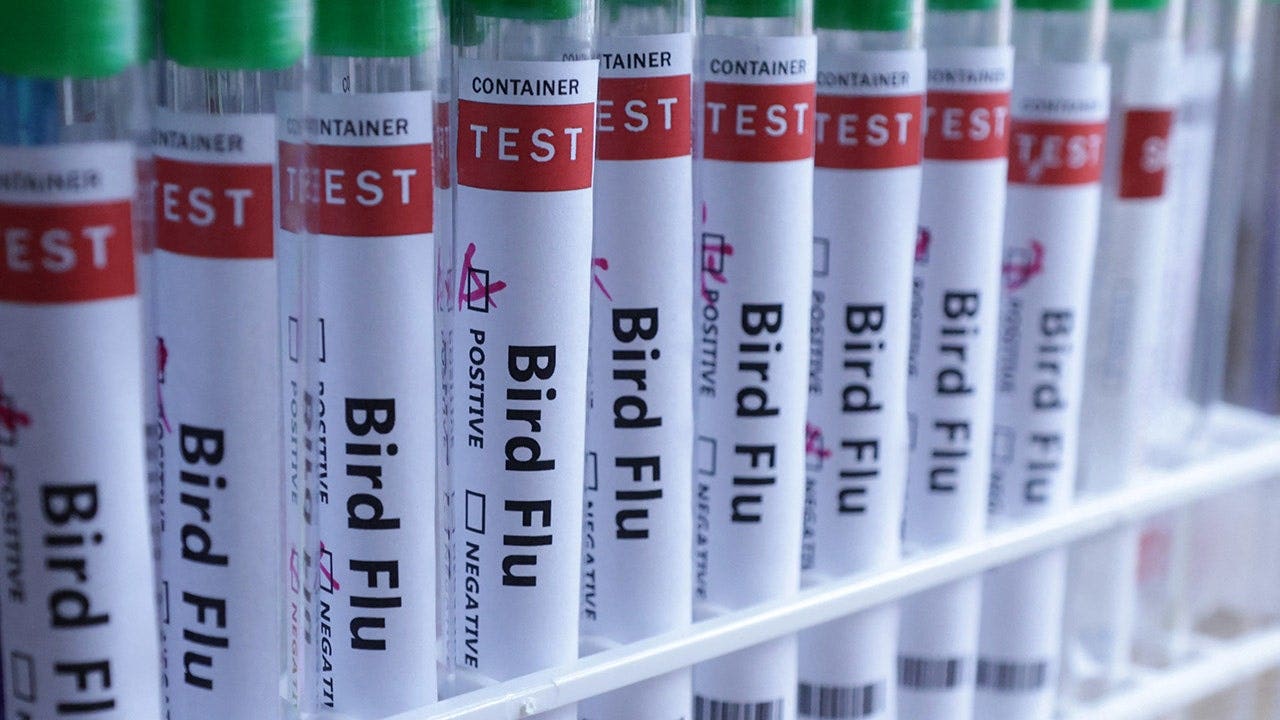
Australia’s Department of Agriculture, Fisheries and Forestry confirmed the country’s first detection of H5N1 avian influenza in a single brown skua found near Esperance in Cape Le Grand National Park, Western Australia. Western Australia’s Department of Primary Industries and Regional Development (DPIRD) said the bird was isolated and tested as part of an established surveillance system; a second migratory bird is suspected to be infected near Esperance. Officials reported the strain is consistent with H5N1 previously found on Australia’s sub-Antarctic territories (Heard and McDonald Islands), where widespread wildlife deaths occurred. Authorities stated there have been no detections in poultry on the mainland and no evidence of mass mortality there. The article notes the broader context: H5N1 has been detected on every continent and has caused large losses in wild and domestic birds in other countries, including the United States, where millions of birds have died and egg supply disruptions have occurred. Public-health authorities emphasize that human infections remain rare. Reuters contributed reporting to the article.
Biblical Reflection
The article reports a factual, localized detection of H5N1 and situates it within a larger international outbreak. It responsibly highlights that this is a single wild-bird finding, that surveillance systems worked, and that there is no evidence of poultry infection on the mainland so far. The piece leans into the broader pattern of global spread and economic effects (e.g., egg shortages), which can raise alarm even when immediate human risk is low. From a Christian perspective, this calls for a balance of truthful vigilance and calm stewardship: truth in acknowledging scientific facts and potential consequences, mercy for affected farmers and wildlife, humility before natural forces, and courage to fund and follow prudent public-health and conservation measures. Christians should watch for and resist sensationalism that converts legitimate concern into panic; at the same time, the church can be a practical source of neighbor-love by supporting those whose livelihoods are threatened and advocating for humane, ecologically wise responses. The article’s framing is largely informational but emphasizes economic and mortality impacts, reflecting a pragmatic, risk-management worldview rather than a pastoral or stewardship-first perspective.
Scripture in context
This outlook does not yet include contextual Scripture citations. Do not treat a general biblical theme as an exegetical conclusion.
Faithful Response
No prescribed response is offered. Consider the reflection prompts below in your own church context.
Reflection and Discussion
- 1Does the coverage focus more on alarming spread or on the measured facts about human risk and local containment?
- 2What practical steps of stewardship and neighbor-care (for farmers, workers, and wildlife) are being overlooked in the reporting?
- 3Are we allowing economic anxiety to shape our view of scientific uncertainty rather than letting verified public-health guidance lead our response?
Sources
Reporting links are evidence inputs; Sanctuary News' biblical reflection is commentary.
This outlook currently relies on fewer than two linked sources. Broaden verification before teaching from it.
- 1.Original reportprimary