News Summary
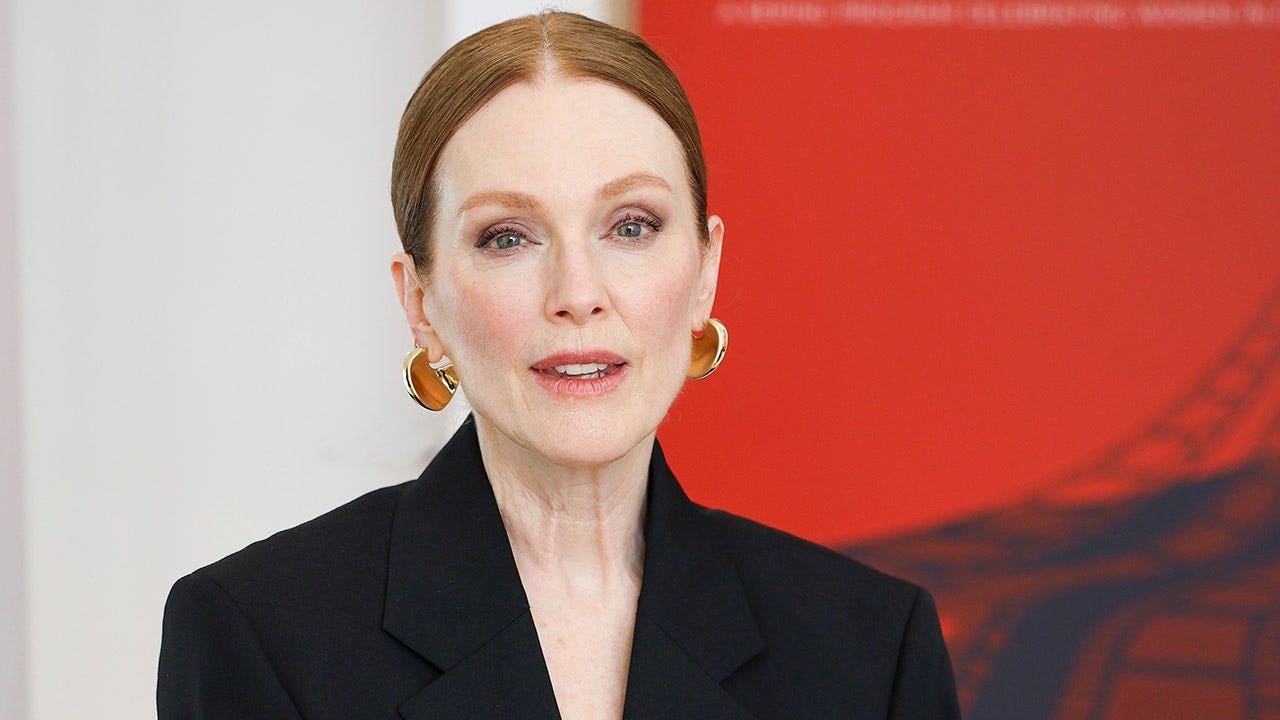
At the Cannes Film Festival, in a Variety interview at the Kering Women in Motion Talk, 65-year-old actress Julianne Moore said she is "less and less interested in tragedy" and that she does not want to appear in movies with "explosions and guns," or in stories that raise stakes without "real feeling underneath." After a clip of the interview was shared on X, some users criticized her remarks by pointing out she has appeared in several films containing violence (several commenters referenced films such as Hannibal), while others defended her preference for emotionally grounded material. The article notes Moore was at Cannes to receive Kering’s Women in Motion Award and summarizes prior controversy over her 2023 film May December, which drew criticism from Vili Fualaau who said it resembled his life story. The piece includes supporting context about Moore’s career and awards and presents a mix of critical and supportive reactions from social media.
Biblical Reflection
What the article records is a cultural exchange about artistic preference and public reaction, not a doctrinal or moral proclamation. Moore expressed a personal artistic boundary: she prefers material she considers emotionally honest and is distancing herself from stories that rely on spectacle or surface-level stakes. The online backlash highlights two familiar dynamics: 1) spectators quickly test public statements against a celebrity's past work and accuse them of inconsistency or virtue signaling, and 2) news outlets and social feeds often amplify conflict language ("slammed," "backlash") because it drives engagement. From a Christian perspective, several points matter. First, Christians should practice careful listening: public figures can change, grow, or clarify motives; past choices do not automatically nullify current convictions. Second, critique should be pursued with truth and charity — exposing hypocrisy is legitimate when done fairly, but piling on for clicks is not an exercise of loving correction. Third, there is a legitimate ethical question about art and violence: entertainment shapes hearts and imaginations, and choosing to avoid gratuitous violence can reflect a desire to steward influence toward compassion and sobriety. Finally, media framing can distort reality by privileging confrontation over nuance; believers should be slow to accept sensationalized narratives and seek fuller context. In short, the core truth in the story is a personal artistic preference met by a polarized public response; Christians are called to respond with discernment, truthful critique where warranted, and grace toward people who speak imperfectly in public.
Scripture in context
This outlook does not yet include contextual Scripture citations. Do not treat a general biblical theme as an exegetical conclusion.
Faithful Response
No prescribed response is offered. Consider the reflection prompts below in your own church context.
Reflection and Discussion
- 1How does the media's use of words like "slammed" shape our perception of a disagreement before we read the details?
- 2When public figures change their artistic priorities, do we default to charitable curiosity or to instant accusations of hypocrisy?
- 3How should Christians weigh the cultural effects of violent entertainment against artistic freedom and storytelling?
Sources
Reporting links are evidence inputs; Sanctuary News' biblical reflection is commentary.
This outlook currently relies on fewer than two linked sources. Broaden verification before teaching from it.
- 1.Original reportprimary