News Summary
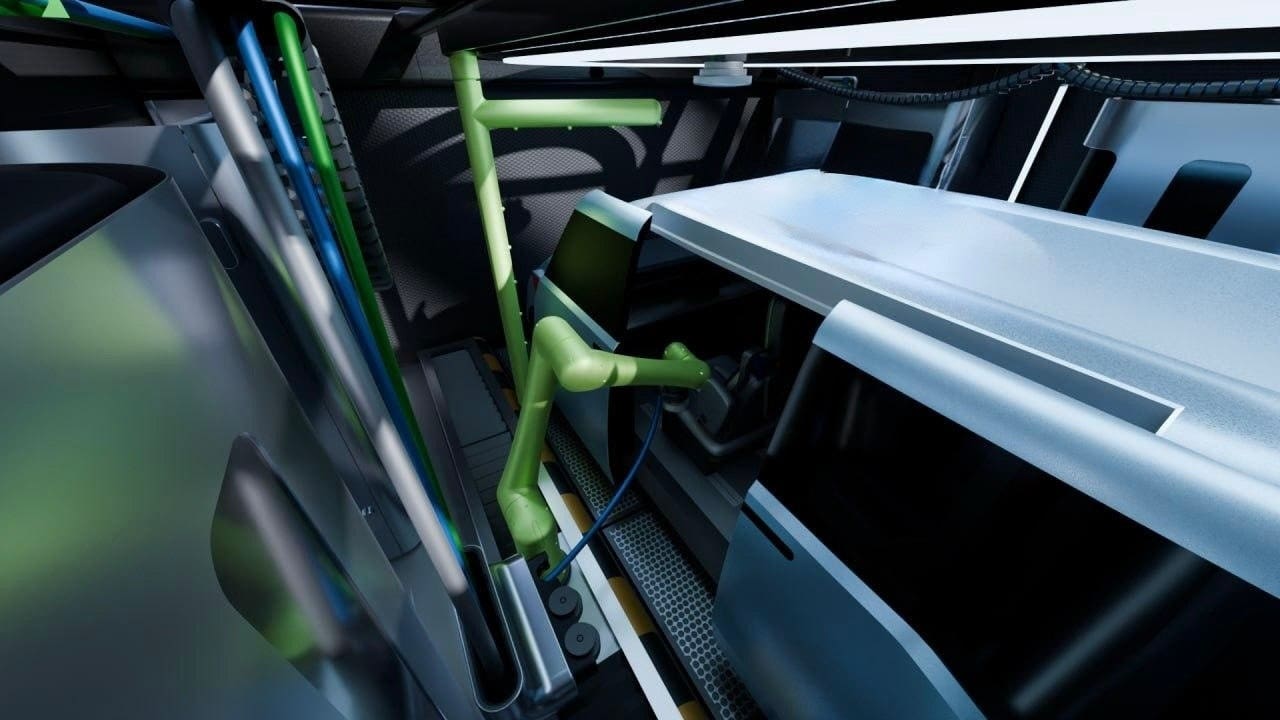
Aseon Labs is developing compact, parking-space-sized “reset pods” intended to inspect, clean, charge and reset driverless robotaxis closer to where riders wait, reducing empty “deadhead” miles between city centers and distant depots. The pods are modular, portable, and designed to be operational quickly without permanent construction; they use cameras, robotic arms, charging interfaces and may integrate with existing DC fast‑charging networks. Early versions are expected to have staff nearby, with a goal of increasing autonomy over time. Aseon has raised $10 million in seed funding and plans five prototypes; it is in talks with autonomous vehicle operators, charging providers and real estate partners but has not announced signed customers. The company intends to operate and maintain pods rather than just sell them. Proponents argue pods could cut wasted miles, lower downtime and improve rider experience. Critics and city planners face questions about curb‑space allocation, parking loss, placement near homes or businesses, noise, power sources, camera/ data use, permitting, and how long units will occupy public space. The article also references local concerns after footage showed Waymo vehicles repeatedly circling a neighborhood, prompting safety concerns. Deployment is described as early stage, with pilot discussions underway but no mass rollout yet.
Biblical Reflection
This development sits at the intersection of technological efficiency and communal stewardship. On one hand, the pods aim to make autonomous fleets more efficient and could reduce needless driving, which would lower congestion and emissions in some cases. On the other hand, they raise real questions about how public space is allocated, who gets to decide, and what safeguards protect privacy, safety—especially for children—and neighborhoods. The article mixes useful technical detail with attention‑grabbing anecdotes (e.g., video of circling Waymo cars and alarmist language like “AI takeover”), so readers should separate concrete facts (seed funding, prototypes, pod capabilities) from speculative fears. Christian wisdom calls for honest appraisal of both benefits and harms: truth-seeking about safety and data use, humility about technology’s limits (human judgment still required), and neighbor-love in insisting that city planning weigh the needs of residents, small businesses, delivery access and vulnerable populations. Practically, that means advocating for transparent permits, local input, clear accountability from operators, and rules that protect public goods rather than ceding curb space by default to private fleets.
Scripture in context
This outlook does not yet include contextual Scripture citations. Do not treat a general biblical theme as an exegetical conclusion.
Faithful Response
No prescribed response is offered. Consider the reflection prompts below in your own church context.
Reflection and Discussion
- 1Who benefits most from placing automated service pods in public spaces, and who bears the cost of lost curb access or privacy risks?
- 2What transparent rules and local oversight are needed before new mobility infrastructure is allowed to occupy shared streets?
- 3Are we treating public streets as a common good to steward, or as a market to be allocated first to private convenience?
Sources
Reporting links are evidence inputs; Sanctuary News' biblical reflection is commentary.
This outlook currently relies on fewer than two linked sources. Broaden verification before teaching from it.
- 1.Original reportprimary