News Summary
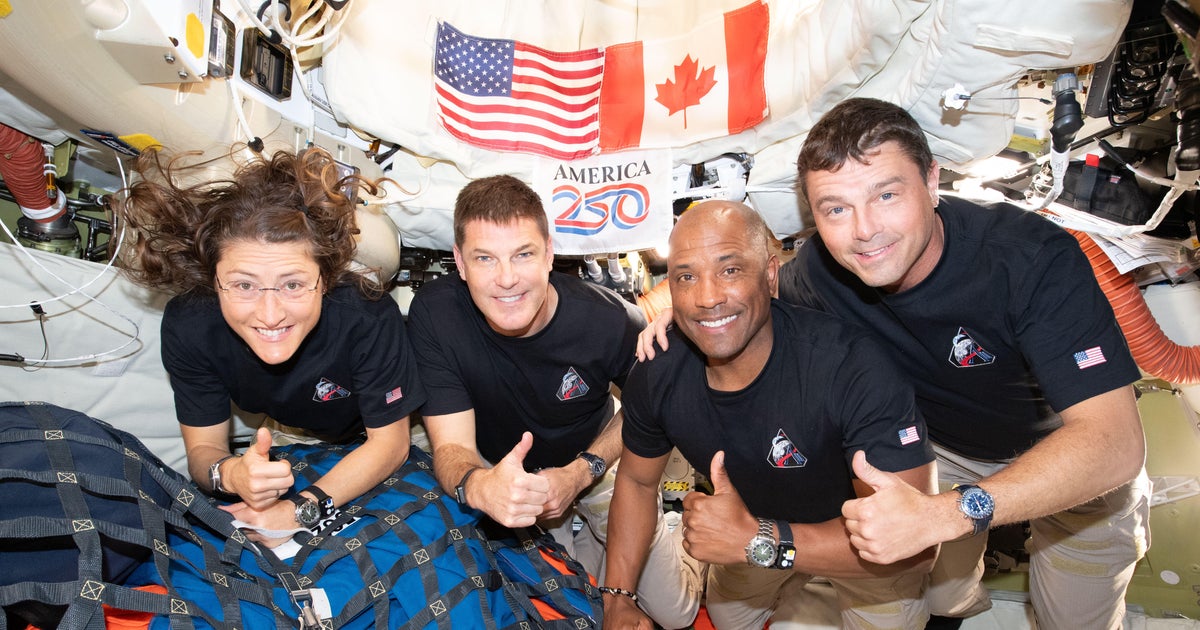
Artemis II's four-person crew aboard the Orion spacecraft is scheduled to reenter Earth's atmosphere and splash down in the Pacific Ocean off the coast of San Diego at the end of a nine-day mission that looped around the moon. NASA predicted a peak reentry speed of about 24,661.21 mph with the crew experiencing approximately 3.9 G's; this is roughly 130 mph short of the human speed record from Apollo 10 (1969). Reentry heating will cause plasma to envelop the capsule and create an expected communications blackout of about six minutes. Orion's heat shield will reach temperatures near 5,000°F during peak heating. The mission logged an estimated 694,481 miles traveled and set a new record for farthest distance from Earth reached by humans at 252,756 miles. Flight operations included a final eight-second thruster burn to refine the entry trajectory. Recovery assets include the USS John P. Murtha, four helicopters, and six small boats. Crew members mentioned human-interest moments (photos, a playlist, and a mission mascot named Rise). The crew honored the memory of Reid Wiseman's late wife by naming a lunar crater "Carroll" and proposed naming another crater "Integrity" after their Orion capsule. NASA noted trajectory modifications after damage to Artemis I's heat shield in 2022. The article also notes public reactions including a call from President Trump and highlights mission imagery such as an "Earthset" photo and a solar eclipse seen only by the crew.
Biblical Reflection
This article reports a technical, operationally focused milestone in human spaceflight and emphasizes both the engineering challenges and the human, emotional dimensions of exploration. From a Christian perspective, such achievements can inspire awe at God's creation (the heavens and celestial bodies) and gratitude for human creativity and stewardship given to discover and understand the world. The coverage leans into drama (peak heating, blackout, riding a "fireball") and national pride (quotes emphasizing American pioneering), which are normal news frames for large national programs; readers should note the tendency to equate scientific success with national identity. The piece is factually detailed and largely descriptive; where it privileges emotional moments (songs, photos, memorializing), it rightly acknowledges the human stories behind the mission. Scripturally rooted discernment calls Christians to celebrate human ingenuity as a God-given capacity while resisting idolatry of technology or triumphalism. We can praise God for the ability to explore, pray for the safety of those involved, and ask that such work serve human flourishing and stewardship rather than self-glorification. The memorial naming of a crater and the crew's visible emotional responses are reminders that exploration is also a context for grief, remembrance, and community—areas where the church's pastoral care and theological attention remain pertinent.
Scripture in context
This outlook does not yet include contextual Scripture citations. Do not treat a general biblical theme as an exegetical conclusion.
Faithful Response
No prescribed response is offered. Consider the reflection prompts below in your own church context.
Reflection and Discussion
- 1How does the article’s mix of technical detail and patriotic language shape our perception of human exploration—are we being invited to worship the achievement or to celebrate the Creator through human curiosity?
- 2What biases are present when media coverage emphasizes drama and national pride in scientific missions, and how should that affect a Christian's response to technological milestones?
- 3In what ways can advances in space exploration be stewarded to serve human flourishing and reflect Christian ethics rather than mere prestige or competition?
Sources
Reporting links are evidence inputs; Sanctuary News' biblical reflection is commentary.
This outlook currently relies on fewer than two linked sources. Broaden verification before teaching from it.
- 1.Original reportprimary