News Summary
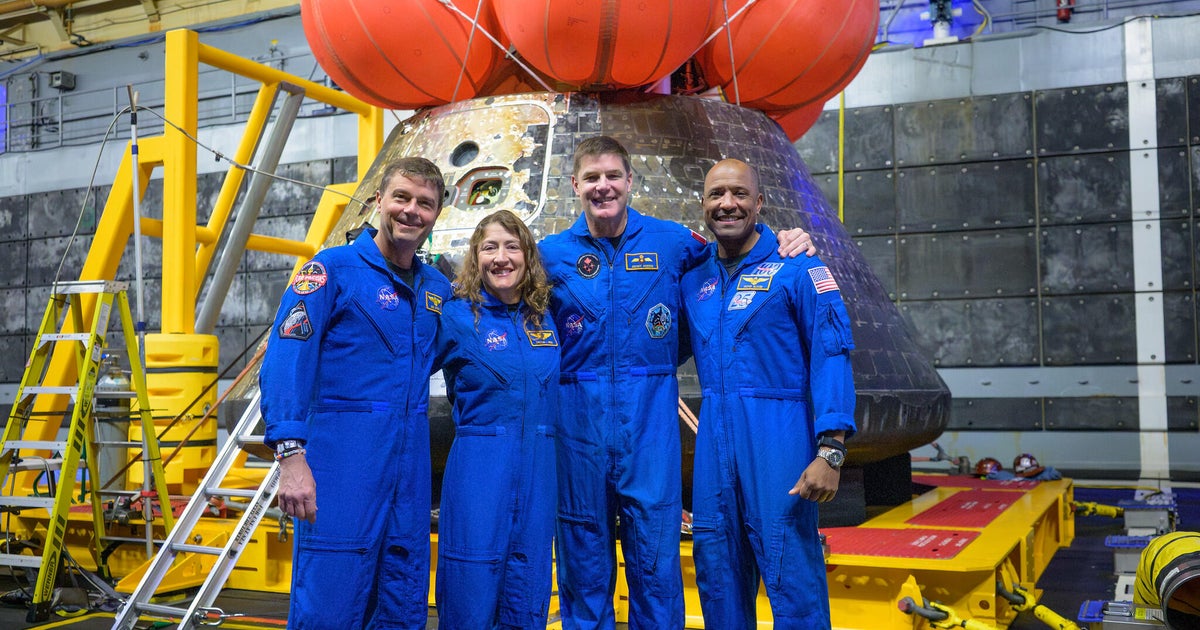
Artemis II, a nine-day crewed mission, completed a piloted flyby of the Moon and returned to Earth in April 2026. The crew—commander Reid Wiseman, Victor Glover, Christina Koch and Canadian astronaut Jeremy Hansen—splashed down in the Pacific southwest of San Diego, underwent medical checks, then flew to NASA's Johnson Space Center in Houston where they were greeted by family and staff. The mission launched April 1 from Kennedy Space Center atop the Space Launch System and rode in an Orion capsule named Integrity. After testing spacecraft systems in Earth orbit, the mission followed a free-return trajectory around the Moon, passing within about 4,000 miles of the lunar surface and observing portions of the far side. The crew experienced a solar eclipse from their vantage point, documented thousands of photos and observations, and set a new record for maximum distance from Earth at about 252,756 miles. NASA officials and political leaders framed the flight as the first piloted lunar mission since Apollo (1972) and a step toward future lunar surface missions and a sustained presence near the lunar south pole. Several crew members spoke publicly about the emotional impact of seeing Earth from space; Victor Glover publicly thanked God and carried a Bible during the mission. The crew proposed informal names for lunar features, including a crater they called 'Carroll.'
Biblical Reflection
This article highlights human curiosity, technical achievement, and a spirit of wonder—responses that Christians can welcome as appreciation for God’s creation. The astronauts' descriptions of Earth as fragile and precious echo biblical themes of stewardship and the sanctity of life. Victor Glover’s public expression of faith is an example of how scientific work and personal spirituality can coexist without contradiction. At the same time, the coverage is celebratory and forward-looking; readers should notice the emphasis on national pride and program momentum (statements about planting flags and establishing a permanent presence). That framing can mix healthy civic pride with triumphalism. Practically, Christians should applaud the pursuit of knowledge and the care taken to bring people home safely, while holding a sober awareness of limits and priorities: space exploration raises questions about resource allocation, environmental stewardship of Earth, and the posture of humility before God’s creation. Biblically-informed public discernment will affirm human creativity and exploration as gifts from God (Genesis 1:26–28), but also call for humility, care for the vulnerable, and resistance to idolatrous nationalism or technocratic hubris.
Scripture in context
This outlook does not yet include contextual Scripture citations. Do not treat a general biblical theme as an exegetical conclusion.
Faithful Response
No prescribed response is offered. Consider the reflection prompts below in your own church context.
Reflection and Discussion
- 1How does the article’s celebratory and nationalistic language shape public perception of space exploration, and where should Christians look for signs of healthy pride versus triumphalism?
- 2In what ways do the astronauts’ expressions of awe and gratitude toward God invite Christians to connect scientific discovery with worship, and where should we maintain humility about human limits?
- 3What ethical and stewardship questions about Earth and resources does renewed lunar exploration raise that the article does not address directly?
Sources
Reporting links are evidence inputs; Sanctuary News' biblical reflection is commentary.
This outlook currently relies on fewer than two linked sources. Broaden verification before teaching from it.
- 1.Original reportprimary