News Summary
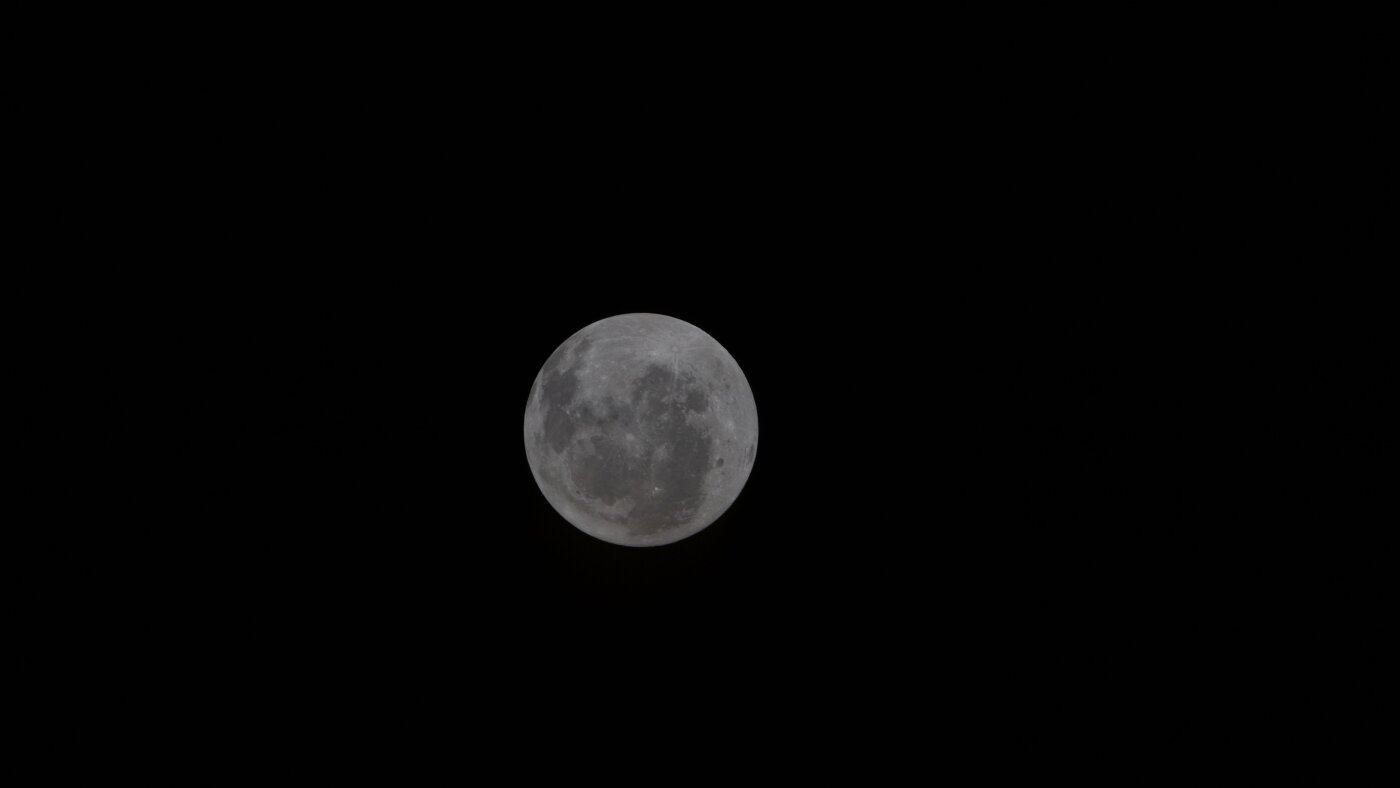
Artemis II launched from Kennedy Space Center atop an SLS rocket and sent a four-person crew (Reid Wiseman, Victor Glover, Christina Koch, Jeremy Hansen) on a lunar flyby. On the mission's third day the Orion spacecraft approached and passed the Moon, carrying the crew farther from Earth than any humans since the Apollo era and surpassing Apollo 13's distance record. During a roughly seven-hour lunar flyby the astronauts observed the Moon as a full disc, including portions of the far side that have not been directly seen by human eyes. NASA identified about 35 geological features for the crew to observe; mission objectives include noting color variations, topography, morphology, and albedo under changing illumination angles. The crew will make live verbal observations (streamed to the public) and capture photographs with onboard cameras; NASA plans to downlink thousands of images for scientific use and public release. The spacecraft's closest approach in this mission is about 4,070 miles from the lunar surface, allowing whole-Moon perspectives different from low-altitude Apollo surface views.
Biblical Reflection
The article emphasizes two linked truths: the continuing scientific value of human observation and the inspirational power of exploration. Scientifically, the claim that trained human observers can notice subtle color, texture, and three-dimensional relationships that complement remote-sensing data is reasonable — human perception can reveal contextual nuances that automated instruments may not flag. The piece frames those observations as both practically useful (to lunar science) and culturally unifying (inspiring the next generation). Biblically, curiosity about creation and careful study of the natural world are consistent with a stewardship-minded faith that seeks to understand God's works (Genesis 1:26–28; Psalm 19). At the same time, a faithful Christian reading should hold a few cautions in balance: (1) wonder should point back to the Creator rather than to human glory or technological triumphalism; (2) media accounts tend to highlight awe and unity while omitting broader questions about priorities, costs, and long-term goals of exploration—questions worth asking but outside the article's scope; (3) the narrative assumes that seeing equals knowing: while human observation is valuable, it complements — not overturns — instrument data and rigorous analysis. Read soberly: celebrate the beauty and truth revealed, welcome the contributions to scientific knowledge, and remember to interpret achievements within a larger moral framework that values stewardship, truth, wise use of resources, and humility before God's creation.
Scripture in context
This outlook does not yet include contextual Scripture citations. Do not treat a general biblical theme as an exegetical conclusion.
Faithful Response
No prescribed response is offered. Consider the reflection prompts below in your own church context.
Reflection and Discussion
- 1Does the article treat exploration primarily as a source of human pride and inspiration, or as a means to understand and steward God's creation? What signals in the reporting point to either emphasis?
- 2What assumptions about progress and value are left unasked (e.g., costs, long-term purposes, ethical priorities) and how might a Christian perspective alter which questions we press?
- 3How can the wonder described in the coverage be directed toward worshipful humility rather than technological idolatry?
Sources
Reporting links are evidence inputs; Sanctuary News' biblical reflection is commentary.
This outlook currently relies on fewer than two linked sources. Broaden verification before teaching from it.
- 1.Original reportprimary