News Summary
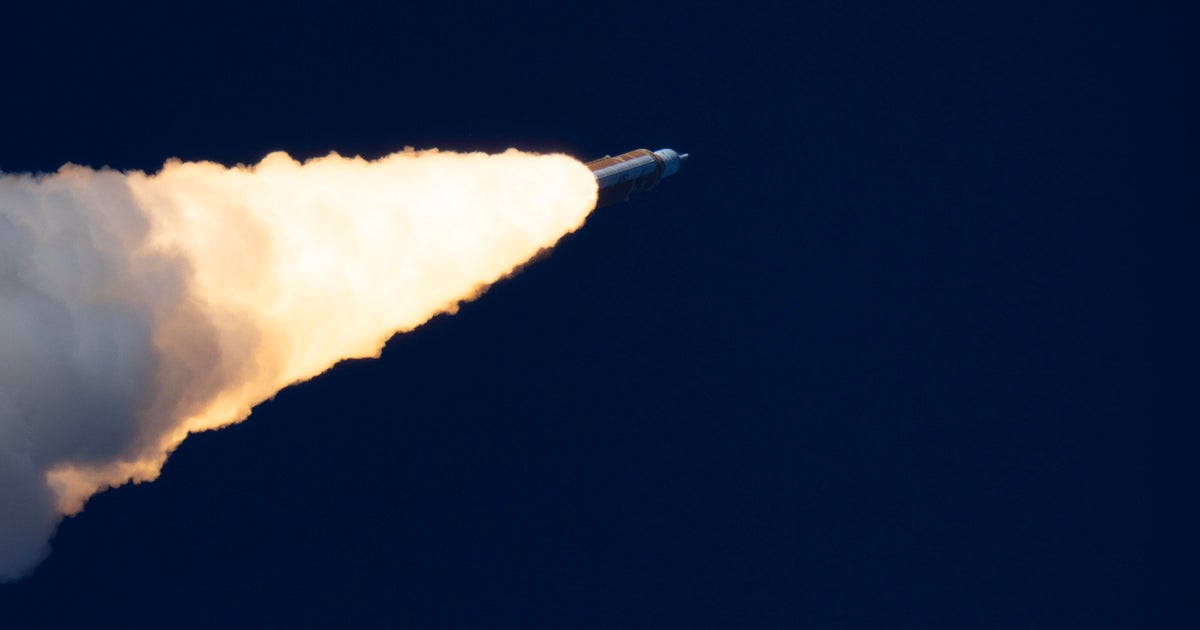
After a successful launch, NASA's Artemis II crew — commander Reid Wiseman, pilot Victor Glover, mission specialist Christina Koch and Canadian astronaut Jeremy Hansen — spent about 24 hours in a highly elliptical Earth orbit testing the Orion crew capsule and its life-support, communications, navigation and propulsion systems. The flight is a test mission; the crew will not land on the moon but will perform a trans-lunar injection (TLI) burn to place Orion on a free-return trajectory that will loop the spacecraft around the far side of the moon and return it to a planned Pacific Ocean splashdown on April 10. During the first day in orbit the crew checked environmental control and life-support functions (including resolving a temporary issue with the toilet), conducted manual-control tests of the vehicle, and prepared for service-module engine firings to adjust orbit and perform TLI. The mission will carry the crew to a distance farther from Earth than the Apollo 13 record, allow observation and photography of the lunar far side, and serve as a systems and procedures test in advance of future Artemis missions aimed at sustained lunar operations and eventual lunar landings planned later in the decade.
Biblical Reflection
The article presents the mission primarily as a technological and national milestone that combines rigorous safety testing with inspiration for future generations. From a Christian perspective, human curiosity, ingenuity and the pursuit of knowledge can reflect God‑given capacities (we are made in God’s image with creativity and reason). Space exploration that advances scientific understanding, improves technology, and is pursued with care for human life and stewardship of resources can be good and worthy of praise. At the same time, the reporting leans into triumphalist and promotional language, emphasizing spectacle, national promise and inspiration without interrogating broader questions about priorities, costs, or ethical trade‑offs. Christians should celebrate wonder at creation (and the human ability to explore it) while remaining sober about risk, stewardship, and idolatrous narratives that place human achievement or national prestige above love of neighbor and faithful use of resources. Practically, this story invites gratitude for human creativity and the skill of those working to keep astronauts safe, coupled with a sober humility: technology is powerful but fallible, and praise of progress should not displace worship of the Creator nor excuse neglect of earthly needs.
Scripture in context
This outlook does not yet include contextual Scripture citations. Do not treat a general biblical theme as an exegetical conclusion.
Faithful Response
No prescribed response is offered. Consider the reflection prompts below in your own church context.
Reflection and Discussion
- 1Does the article frame the mission primarily as scientific stewardship and wonder, or as national prestige and spectacle — and how does that framing shape our judgment about its value?
- 2What assumptions about progress, risk and priorities are left unexamined in this coverage, and how should a Christian weighing these missions balance wonder with stewardship of resources?
- 3How can admiration for human ingenuity be held together with humility before God and concern for those whose immediate needs may be overlooked by high‑profile technological projects?
Sources
Reporting links are evidence inputs; Sanctuary News' biblical reflection is commentary.
This outlook currently relies on fewer than two linked sources. Broaden verification before teaching from it.
- 1.Original reportprimary