News Summary
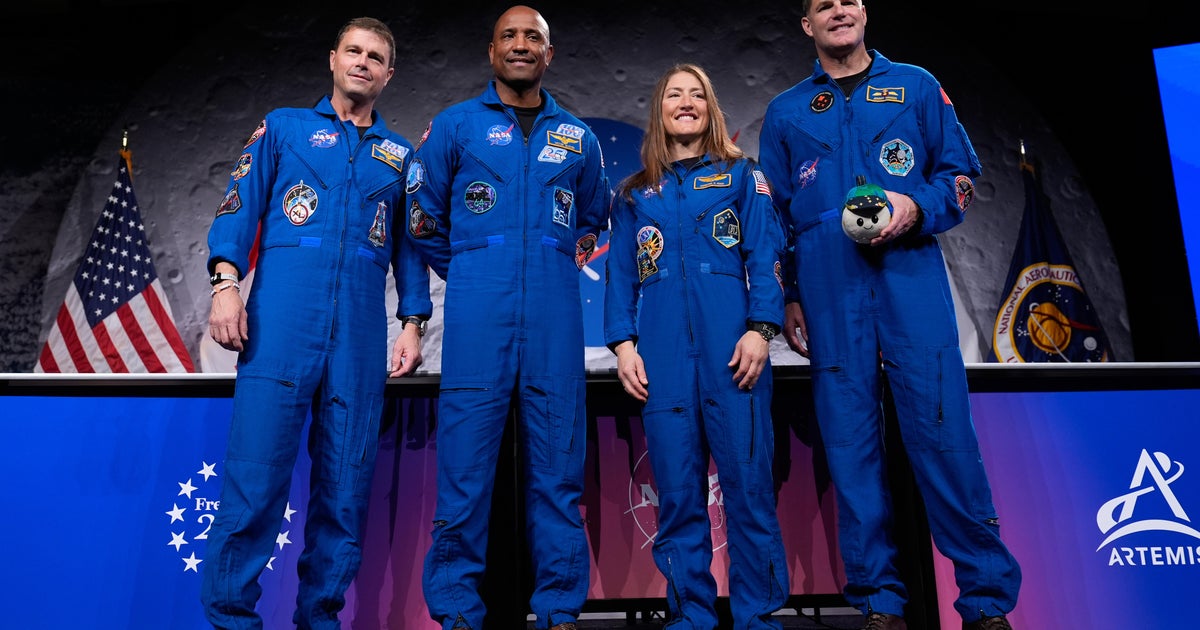
On April 1, 2026, NASA launched the Artemis II crew — commander Reid Wiseman, pilot Victor Glover, and mission specialists Christina Koch and Jeremy Hansen — aboard an Orion capsule atop a Space Launch System rocket from Kennedy Space Center. The nine-day mission tested Orion systems in a highly elliptical Earth orbit, performed a trans-lunar injection burn, and followed a free-return trajectory that carried the crew around the lunar far side. While out of contact for about 40 minutes behind the moon, the crew reached a maximum distance of 252,756 miles from Earth and photographed normally unseen far-side terrain. They witnessed an hour-long solar eclipse from deep space when the moon passed between Orion and the sun. After looping back, the capsule reentered Earth's atmosphere using a different trajectory than an earlier uncrewed test, endured peak reentry temperatures, and safely splashed down in the Pacific Ocean off San Diego on April 10. Post-splashdown medical and engineering checks were performed; the crew reported minor charring on portions of the heat shield but no obvious major damage. The astronauts described powerful feelings of awe, smallness, and unity, and Wiseman recounted requesting the Navy ship chaplain after splashdown to help process the experience.
Biblical Reflection
The article emphasizes human wonder, technical achievement, and a desire for global unity. From a Christian perspective, the astronauts' awe at the heavens and their turn toward a chaplain reflect two healthy responses: reverent humility before creation and a recognition that profound experiences often drive spiritual reflection. Scripture consistently affirms that the created order can point us to its Creator (e.g., Psalm 19; Romans 1:20), so feeling moved by the sight of Earth, the moon, and a solar eclipse is not surprising and can lead to worship, gratitude, and a deeper sense of stewardship. At the same time, discernment is needed. Awe does not automatically equal theological revelation; emotional or mystical language should be tested against Scripture. The article frames the mission as a unifying global story and a triumph of engineering — that optimistic, human-centered worldview is not inherently wrong, but Christians should also ask whether such projects promote wise stewardship of resources, advance human flourishing, and acknowledge moral responsibilities (care for the poor, ethical uses of technology). Finally, the public emphasis on unity and shared wonder can be a genuine good if it leads people to humility, praise, and responsible action. Christians can celebrate technological progress while insisting that ultimate hope rests in Christ, not in human achievement or cosmic experiences alone.
Scripture in context
This outlook does not yet include contextual Scripture citations. Do not treat a general biblical theme as an exegetical conclusion.
Faithful Response
No prescribed response is offered. Consider the reflection prompts below in your own church context.
Reflection and Discussion
- 1When media and leaders present spaceflight as a unifying, almost sacred moment, how should Christians distinguish healthy awe at creation from elevating human achievement to ultimate significance?
- 2Does the public celebration of a costly technological mission prompt us to reconsider priorities of stewardship, charity, and justice in light of the gospel?
- 3How can awe-inspired encounters with creation lead believers to worship and responsible action rather than vague spiritualism?
Sources
Reporting links are evidence inputs; Sanctuary News' biblical reflection is commentary.
This outlook currently relies on fewer than two linked sources. Broaden verification before teaching from it.
- 1.Original reportprimary